Category: Pharmacy and Medication Guides - Page 5
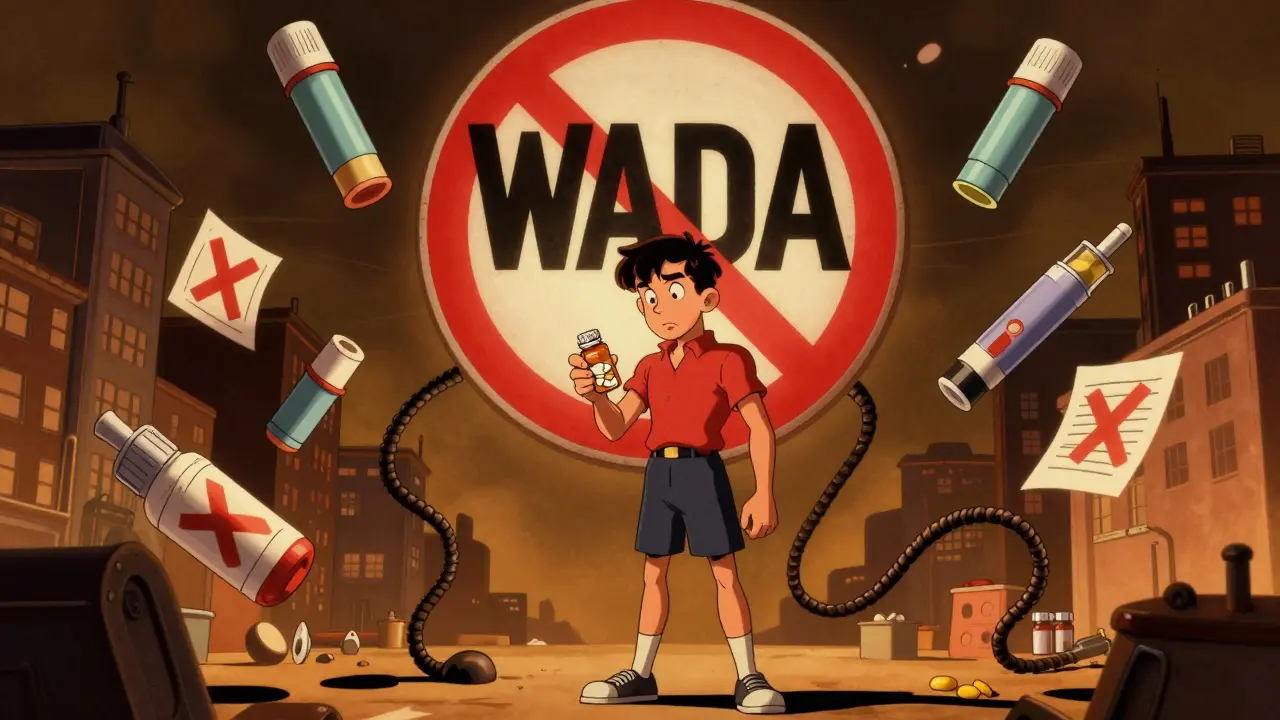
Athlete Anti-Doping Rules: Prescription Medications and Side Effects to Consider
Athletes must navigate strict anti-doping rules when using prescription medications. Learn which common drugs are banned, how to get a Therapeutic Use Exemption, and how to avoid accidental violations that can end careers.
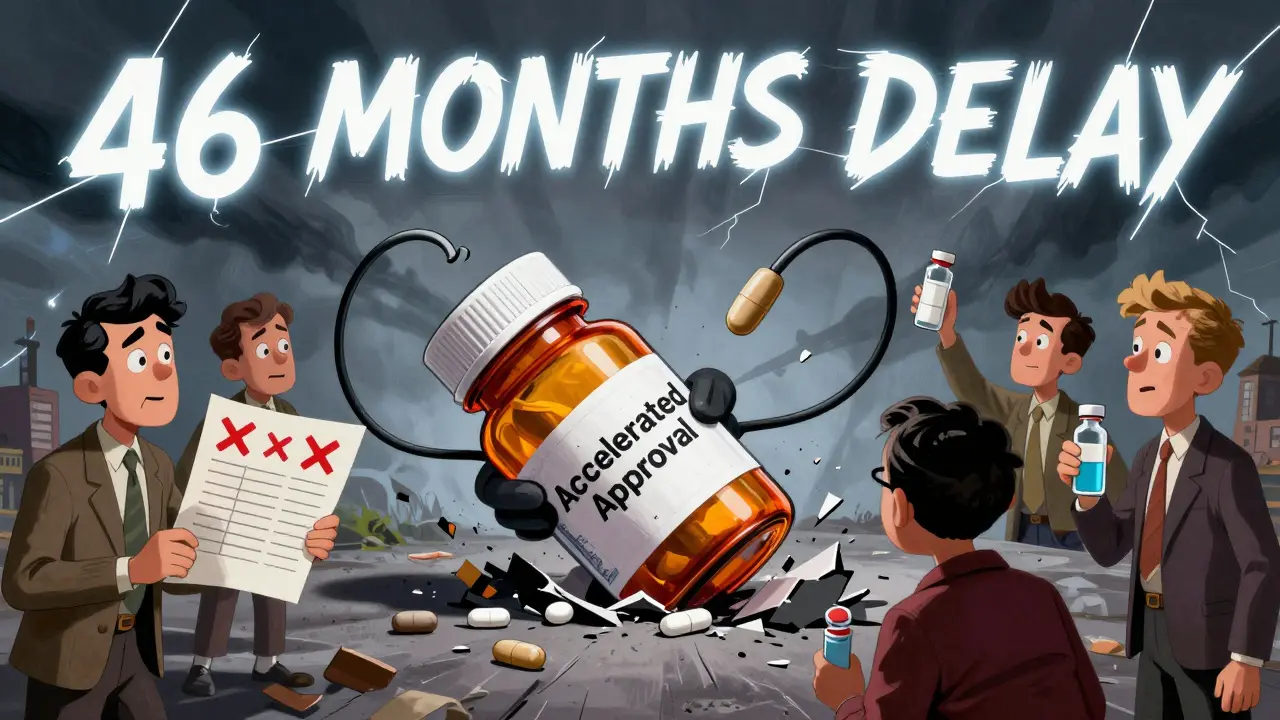
Drug Withdrawals and Recalls: Why Medications Get Removed from the Market
Discover why medications get pulled from the market, how the FDA decides, and what changed in 2023 to protect patients from ineffective drugs. Learn the real risks behind accelerated approvals and how to stay informed.
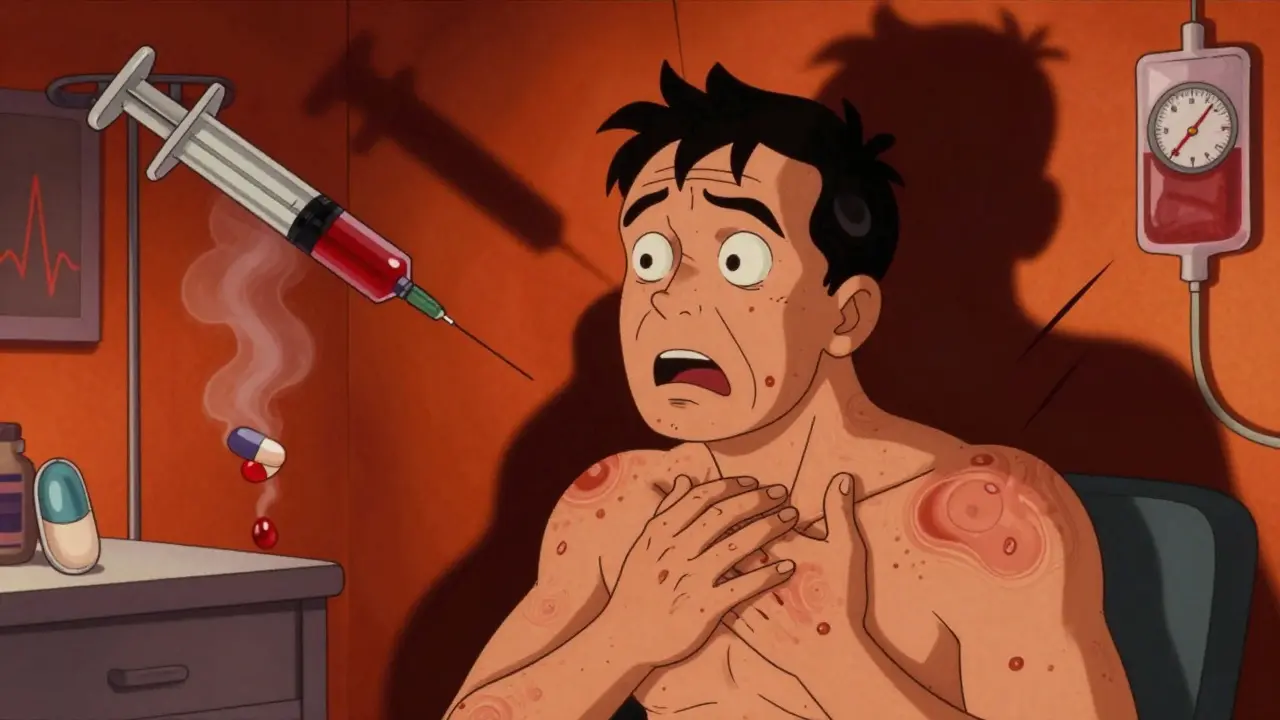
Anaphylaxis from Medications: How to Recognize and Respond to a Life-Threatening Allergic Reaction
Learn how to recognize the life-threatening signs of anaphylaxis caused by medications, why epinephrine is critical, and what steps to take before, during, and after a reaction to prevent death.
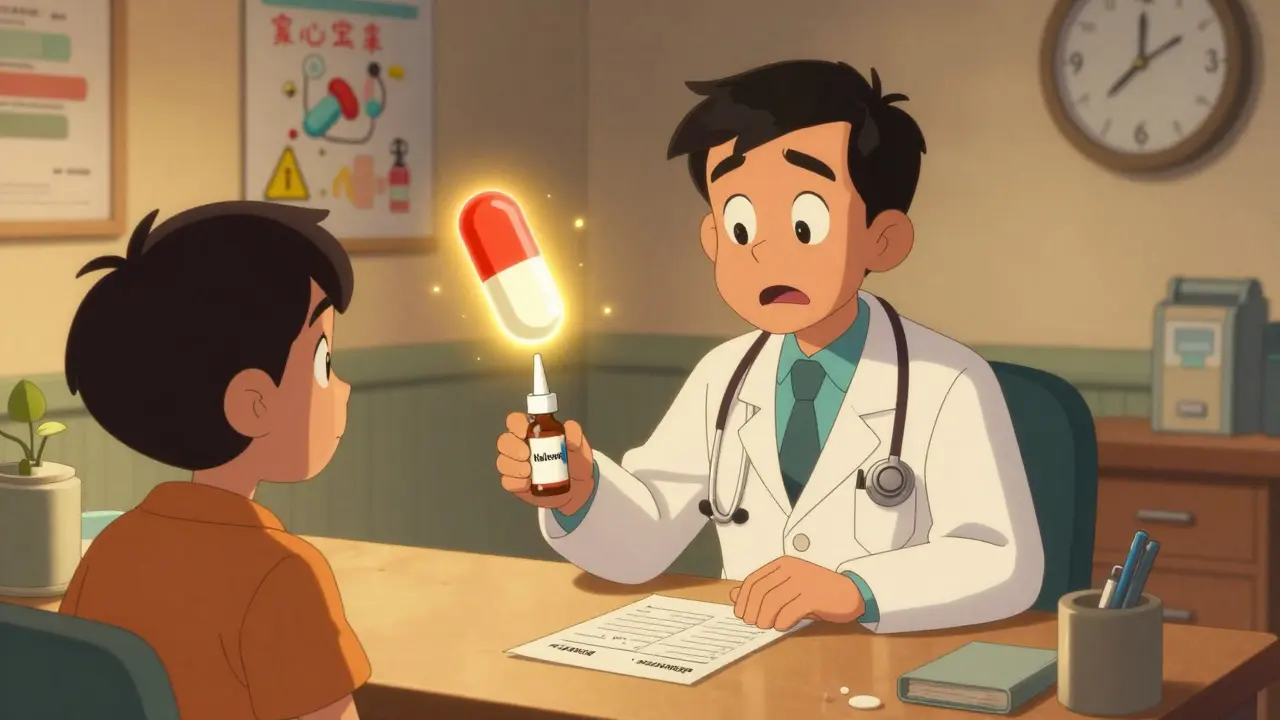
Naloxone Co-Prescribing: How It Saves Lives When Opioids Are Prescribed
Naloxone co-prescribing gives patients on opioids a life-saving tool to reverse overdoses. Learn who needs it, how it works, and how to get it-even if your doctor doesn’t mention it.
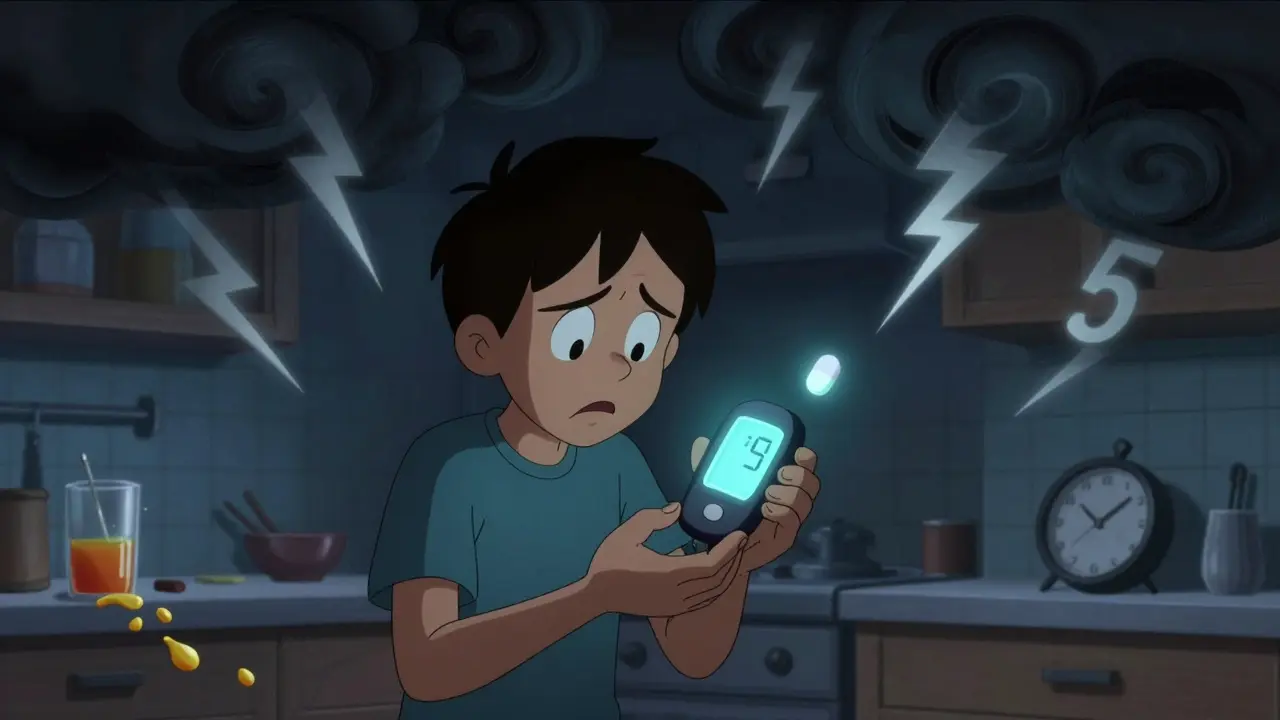
Insulin Therapy Side Effects: Managing Hypoglycemia and Weight Gain
Insulin therapy is essential for many with diabetes, but hypoglycemia and weight gain are common, serious side effects. Learn how to prevent lows, manage weight gain, and use new tools like CGMs and GLP-1 drugs to stay safe and healthy.
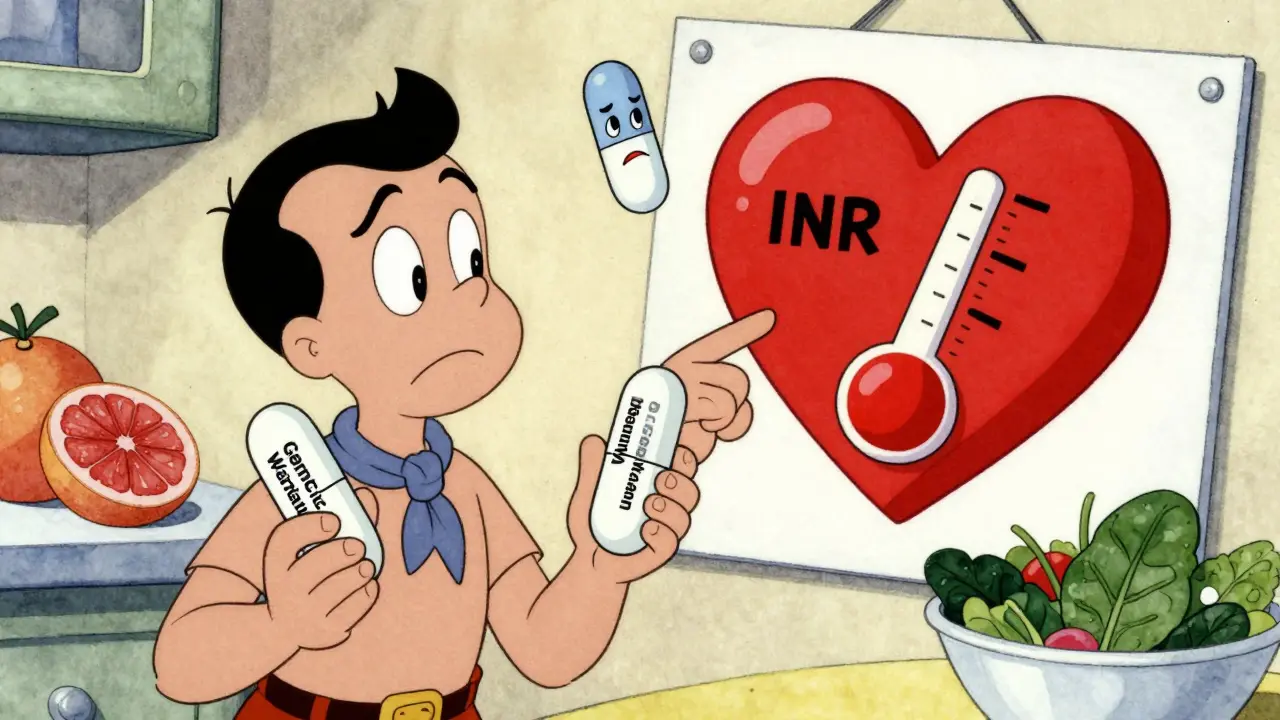
Drug Interaction Issues: When Generics Interact Unexpectedly
Generic drugs are just as safe as brand-name ones, but unexpected side effects can happen due to inactive ingredients or switching manufacturers. Learn how to spot real interaction risks and avoid common myths.
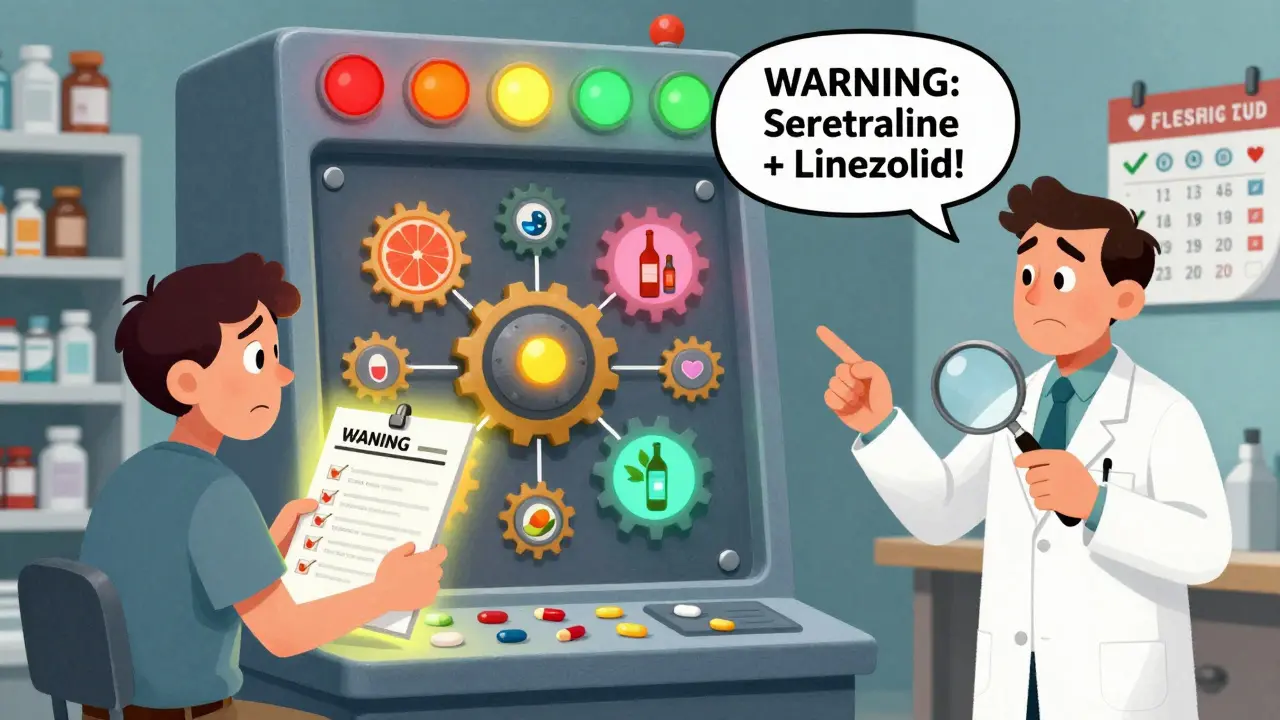
How to Use a Drug Interaction Checker Tool Effectively
Learn how to use a drug interaction checker tool effectively to avoid dangerous medication combinations. Discover which tools work best, how to interpret results, and why you still need to talk to your pharmacist.
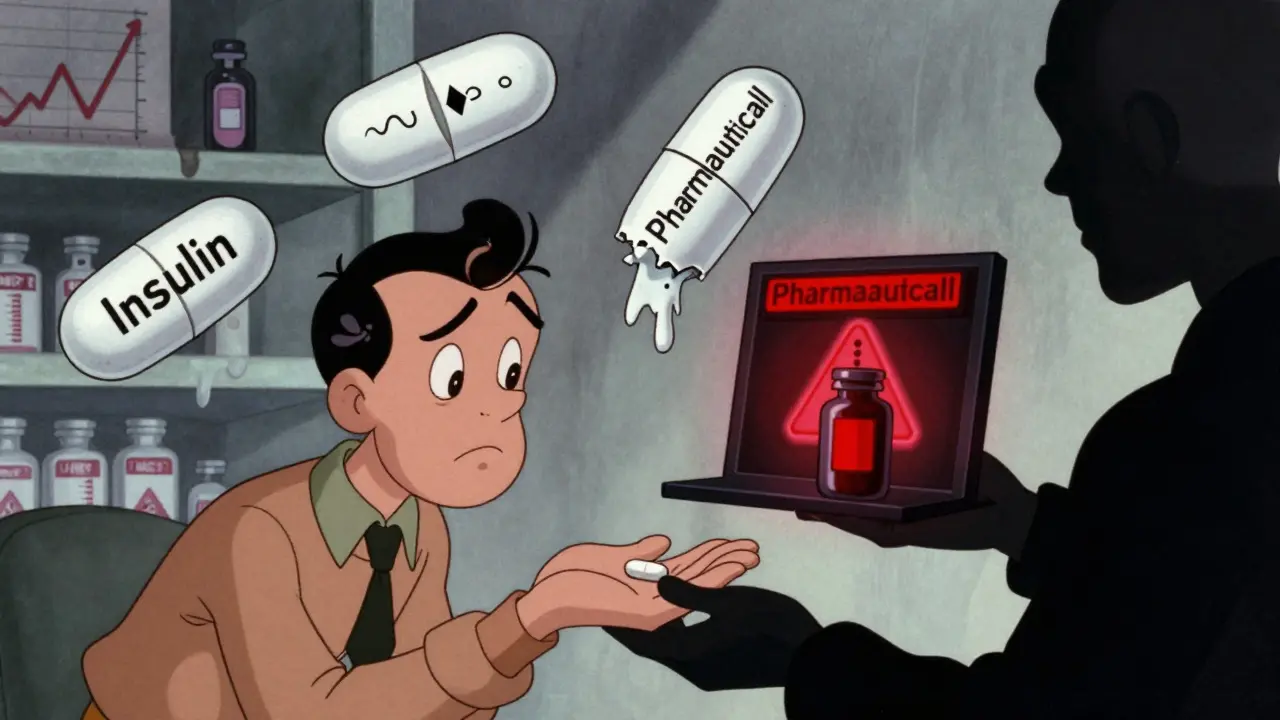
Symptoms of Taking Counterfeit Meds: What to Watch For
Counterfeit meds can look real but contain dangerous ingredients like fentanyl or nothing at all. Learn the key symptoms - from no effect to sudden poisoning - and how to spot fake pills before it’s too late.

Fiber Supplements and Medication Absorption: How to Separate Doses
Fiber supplements can block your medications from being absorbed. Learn how to safely space out fiber pills and prescription drugs to keep both working effectively-without giving up your health benefits.
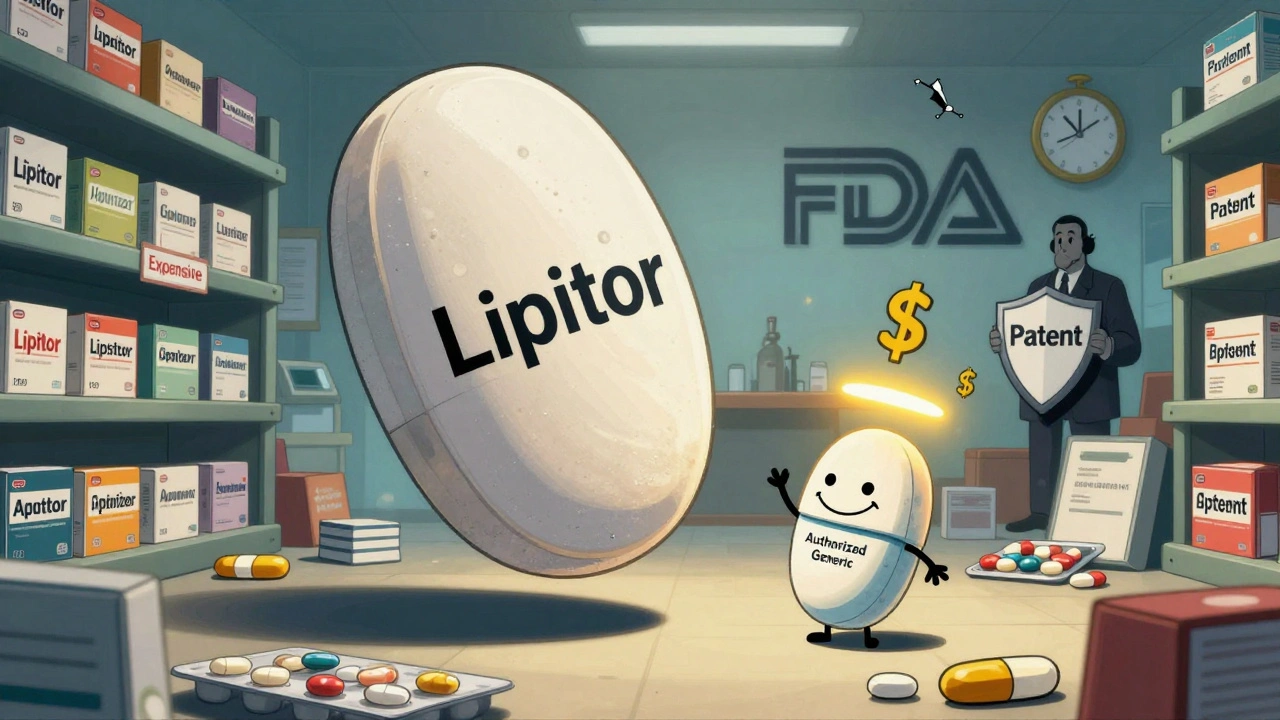
Why Most Drugs Don't Have Authorized Generics - And What It Means for Your Prescription Costs
Most prescription drugs don't have authorized generics - even expensive ones. Learn why brand companies choose which drugs get cheaper versions, how it affects your costs, and what you can do about it.
Popular posts