
Understanding the Power of Antivirals
Most people immediately grab antibiotics when they feel sick. While those pills are life-saving for bacterial infections like strep throat, they do nothing against the common cold or the flu. That distinction exists because bacteria and viruses operate completely differently. Antiviral medications are specialized pharmaceutical agents designed specifically to treat Viral Infections. Unlike broad-spectrum antibiotics, these drugs target specific stages of the viral life cycle. Without them, many conditions would be far deadlier than they are today. You likely recognize names like Tamiflu or Paxlovid, but there is a much deeper ecosystem of therapies saving lives every day.
The science behind these treatments has evolved from crude attempts in the 1960s to precision medicine today. We now have drugs that cure chronic infections like Hepatitis C and turn fatal diseases like HIV into manageable conditions. This capability relies on understanding exactly how a virus invades our cells. By blocking entry, stopping replication, or preventing the virus from exiting the cell, we can drastically lower the viral load. Lowering the viral load reduces symptoms, shortens illness duration, and prevents the virus from spreading to others.
How These Drugs Actually Work
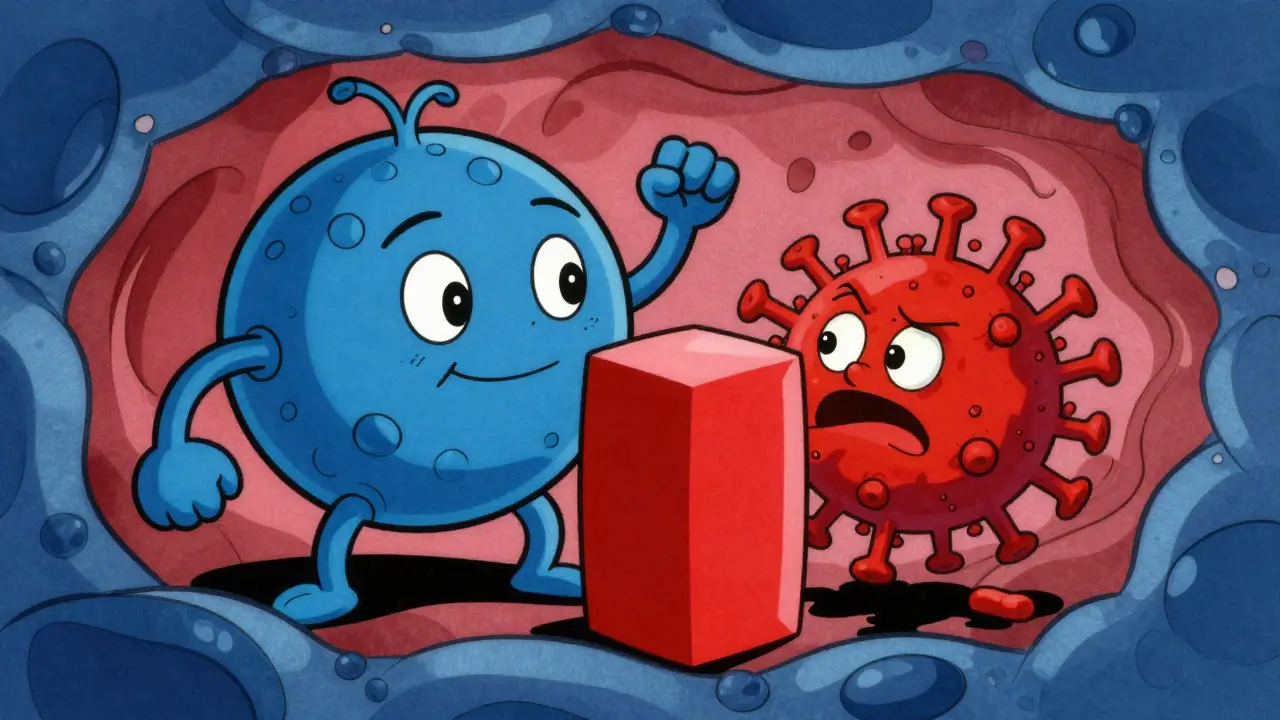
To appreciate treatment options, you need to understand the mechanism of action. A virus cannot reproduce on its own; it must hijack human cellular machinery. Nucleoside analogs act as fake building blocks. When the virus tries to copy its genetic material using RNA or DNA, it incorporates these faulty pieces. The resulting viral genome is flawed and non-functional. Other classes, such as protease inhibitors, stop the virus from processing proteins needed to mature.
Consider the influenza virus. When it enters the nose or lungs, it sheds its envelope to get inside. Some medications, like Neuraminidase Inhibitors, prevent the newly formed virus particles from leaving the infected cell. They effectively keep the virus trapped until the immune system destroys it. This blockade works only if caught early. If the virus has already replicated freely across your respiratory tract, blocking the exit becomes useless. This timing requirement is why seeing a doctor immediately matters so much.
Major Classes and Target Conditions
Different viruses require different chemical keys to lock them down. There is no single "cure-all" pill yet, although researchers are hunting for broad-spectrum solutions. Currently, successful strategies focus on specific pathogens.
- Retroviruses (HIV): Antiretroviral therapy (ART) uses combinations of drugs. Standard regimens typically include two nucleoside reverse transcriptase inhibitors (NRTIs) combined with an integrase inhibitor. This cocktail suppresses the virus to undetectable levels. If taken consistently, patients often live normal life expectancies.
- Hepatitis C: This was once a death sentence requiring grueling interferon injections. Now, Direct-Acting Antivirals (DAAs) achieve cure rates over 95%. Treatments like Harvoni or Epclusa are taken orally for 8 to 12 weeks with minimal side effects.
- Influenza: Oseltamivir (Tamiflu) remains the oral standard. Zanamivir (Relenza) offers an inhaler alternative, though it risks bronchospasm in asthmatics. Baloxavir marboxil (Xofluza) targets the cap-dependent endonuclease, stopping transcription early in infection.
- Coronaviruses (COVID-19): Oral nirmatrelvir/ritonavir (Paxlovid) showed significant efficacy in reducing hospitalization risk. Intravenous remdesivir targets the RNA-dependent RNA polymerase. Monoclonal antibodies were initially promising but lose effectiveness quickly as viral variants mutate their surface proteins.
Each category illustrates a shift toward oral administration. Older drugs required IV infusion in a hospital setting. Modern formulations allow treatment at home, which improves accessibility and adherence.
| Treatment Class | Target Condition | Administration Method | Key Benefit |
|---|---|---|---|
| Nucleoside Reverse Transcriptase Inhibitors | HIV/AIDS | Oral Pills (Daily) | Sustained Virologic Suppression |
| Protease Inhibitors | HIV/HCV | Oral Capsules | Blocks Protein Maturation |
| Neuraminidase Inhibitors | Influenza A & B | Oral Tablets or Inhalation | Shortens Illness Duration |
| Direct-Acting Antivirals | Hepatitis C | Oral Tablets | Cure Rates >95% |
| RNA Polymerase Inhibitors | Coronavirus / Ebola | IV Infusion or Oral | Broad Spectrum Potential |
Timing is the Most Critical Factor
There is a reason doctors emphasize starting medication within 48 hours. For the flu, oseltamivir reduces symptom duration by roughly one to two days if started early. After the virus peaks in replication, the drug has fewer targets to attack. The same logic applies to respiratory threats like SARS-CoV-2. Clinical trials demonstrated that high-risk patients treated within five days saw significantly reduced hospitalization rates compared to those treated later or untreated.
This window creates logistical challenges. Patients often wait three days hoping symptoms improve naturally, missing the therapeutic window entirely. By the time they test positive, the viral load might already be declining naturally, making the drug less effective. Healthcare systems address this through testing infrastructure. Rapid antigen tests allow immediate confirmation, enabling same-day prescriptions. Delaying testing until results come back from a central lab often pushes the treatment past the optimal timeframe.
Side Effects and Drug Interactions
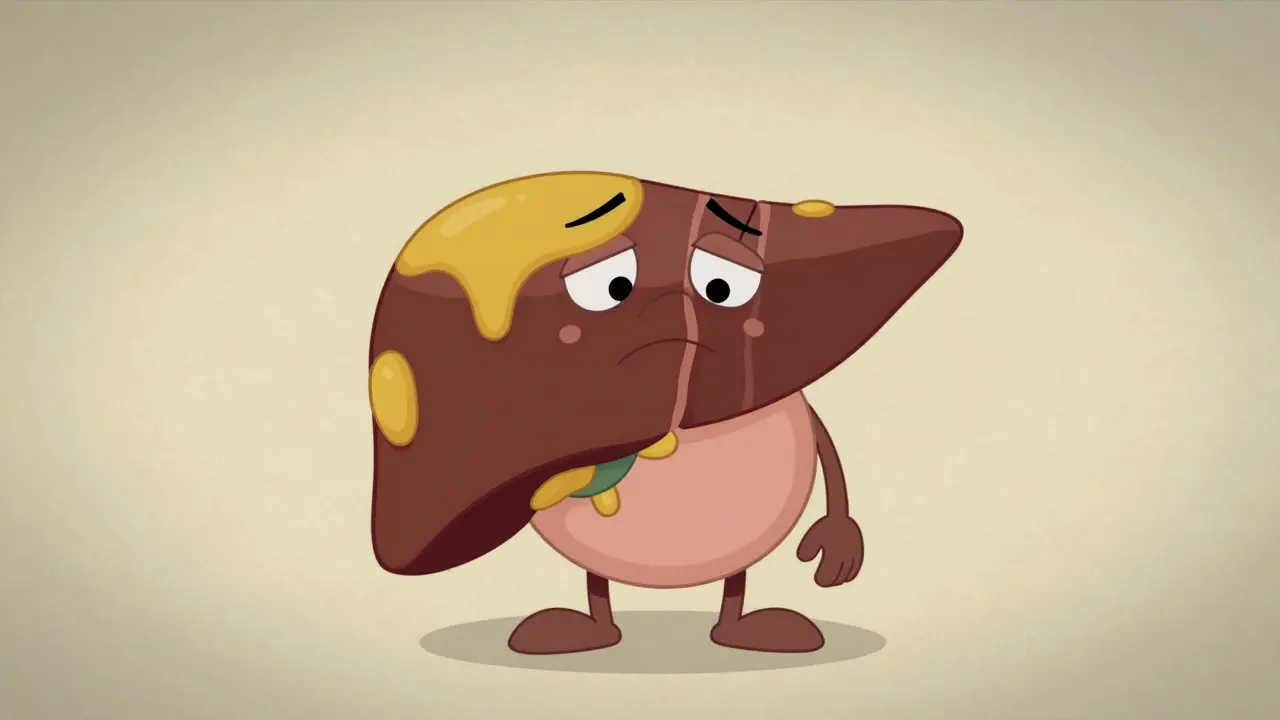
While safer than older chemotherapy drugs, antivirals still carry risks. "Drug holidays"-periods where patients skip doses-are sometimes necessary due to adverse reactions. Gastrointestinal upset is common with many nucleosides, manifesting as nausea or diarrhea. More complex issues arise from metabolic interference. Many modern antivirals inhibit the Cytochrome P450 system, a liver enzyme responsible for breaking down other medications.
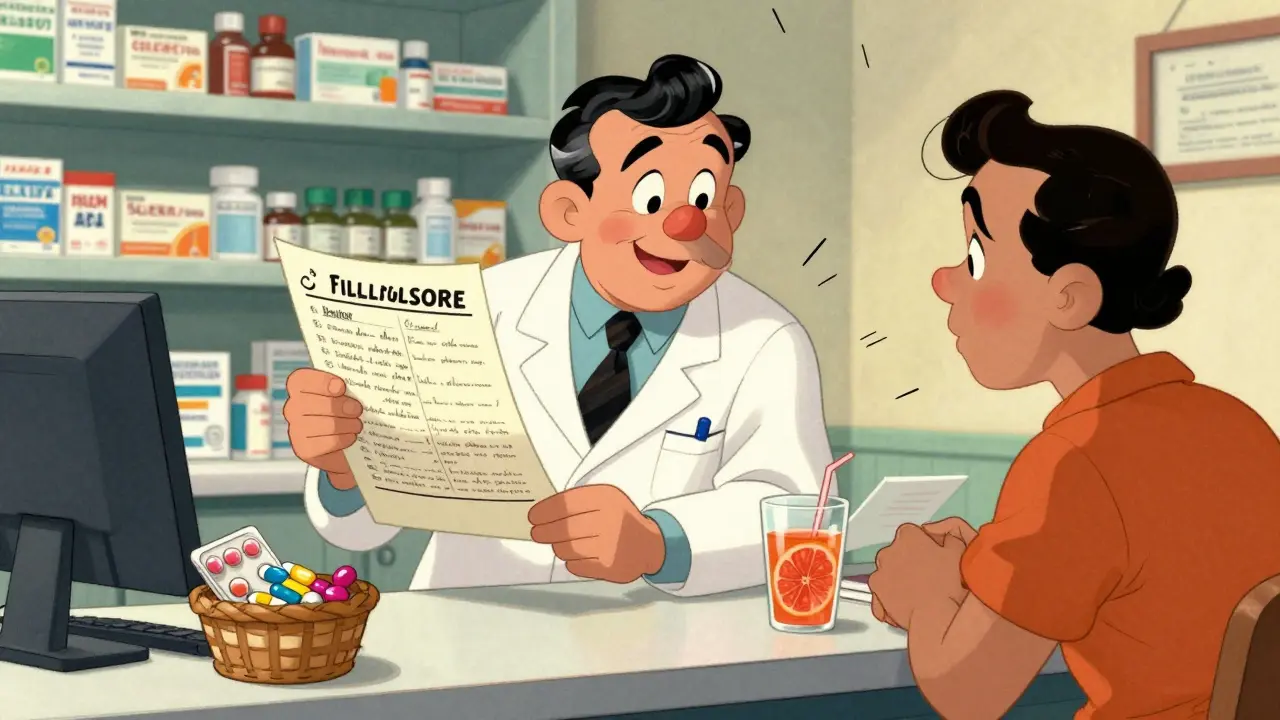
Paxlovid, for example, contains ritonavir as a booster. Ritonavir shuts down the breakdown of many common heart and cholesterol medications. If you take statins like simvastatin alongside it, toxicity levels can spike dangerously fast. This interaction contraindicates use for millions of elderly patients who take multiple daily supplements or prescriptions. Pharmacists review lists of known interactions rigorously before dispensing these drugs to avoid accidental overdoses on background medications.
The Problem of Resistance
Viruses evolve rapidly. Every time they replicate, errors occur in their genetic sequence. Some mutations accidentally help them survive the drug's blockade. This resistance development is why combination therapy is the gold standard. Using multiple drugs simultaneously makes it statistically unlikely for the virus to develop resistance to all of them at once.
In the HIV arena, resistance screening is routine before starting therapy. Doctors perform genotyping to see if the virus carries mutations linked to failure. For emerging viruses like Influenza, resistance monitoring happens globally through surveillance networks. Tamiflu-resistant strains have appeared periodically, necessitating stockpiles of backup agents like Peramivir. Broad-spectrum antivirals aim to reduce this risk by targeting essential host processes rather than viral proteins, making mutation much harder for the pathogen.
Access and Global Availability
Medical innovation does not guarantee global reach. Despite proven benefits, distribution inequity remains stark. Wealthier nations secured large inventories of oral antivirals early in recent pandemics, while developing regions faced shortages. High manufacturing costs drive prices up, limiting access even within insured markets. Medicaid programs in the US have expanded coverage, yet pharmacy stockouts persist.
Newer delivery methods, like long-acting injectables, are changing this landscape. Cabenuva allows monthly dosing for HIV prevention instead of daily pills. Injectables are easier to distribute and hard for a patient to forget. As production scales, prices generally drop. Generic versions of Hepatitis C treatments have made cures more affordable, proving that market competition helps everyone eventually.
Frequently Asked Questions
Can I take antivirals after my symptoms get better?
Usually, you shouldn't. These drugs work best during the active phase of replication. Once symptoms fade, your body is clearing the virus, and adding medication rarely provides extra benefit and may cause unnecessary side effects.
Are antiviral medications the same as vaccines?
No. Vaccines train your immune system to prevent infection before exposure. Antivirals are treatments used after you are already infected to lower viral load and stop severe outcomes.
Why do some drugs require intravenous administration?
Some compounds degrade in stomach acid or aren't absorbed well through the gut. Intravenous delivery ensures the medication reaches the bloodstream directly and at high concentrations, which is vital for critically ill patients who cannot swallow safely.
Do antivirals work on bacterial infections?
Absolutely not. Antibiotics kill bacteria. Antivirals target viral enzymes and structures found only in viruses. Taking them for bacterial pneumonia is ineffective and wasteful.
What is the main side effect I should watch for?
Common side effects vary by drug, including nausea, headache, and metallic taste. Serious concerns involve drug interactions, especially with heart and cholesterol medications, so always tell your doctor your full medication list.

Mark Zhang
It is great to see people learning about the actual mechanics of these treatments. Knowing the difference between antibiotics and antivirals saves lives every single day. We often forget that viruses need cellular machinery to reproduce.
Jenna Carpenter
peopel always wait too loong before calling docters. By then the inflection is already peaking and meds dosent work right. it shoud be earlier
Brian Shiroma
Yes because everyone knows how to read a prescription label perfectly. The irony of missing the window by being scared of doctors is palpable here. Timing is everything apparently.
Divine Manna
The mechanism involves nucleoside analogs acting as decoys for replication. When the virus attempts to synthesize RNA it incorporates these faulty building blocks instead. The resulting genetic material becomes non-functional almost immediately after synthesis. Protease inhibitors block the maturation phase of the viral proteins required for infection. Without mature proteins the new virions cannot exit the host cell effectively. Neuraminidase inhibitors stop the release of influenza particles from the respiratory lining. These blockade strategies require administration during the active peak of viral load. If the infection has cleared naturally the drugs lose their targets completely. This specificity highlights why broad spectrum solutions are currently elusive. Researchers focus heavily on host-directed therapies to bypass rapid mutation rates. Direct-acting antivirals have transformed Hepatitis C management significantly. Patients now achieve sustained virologic response rates exceeding ninety-five percent. Monoclonal antibodies target surface antigens but variants shift quickly over time. Drug interaction screens prevent accidental toxicity with common cardiovascular medications. Combination therapy remains the absolute gold standard to suppress resistance evolution.
Beth LeCours
the drugs dont work if u wait too long
Goodwin Colangelo
You need to look closely at the medication lists for interactions. Statins can cause serious issues when mixed with certain boosters like ritonavir. Always check with the pharmacist before combining heart meds.
Joey Petelle
We provide the best technology but others do not appreciate it. American innovation drives this science forward globally without asking for credit. Distribution logistics are clearly prioritized elsewhere.
Rob Newton
Not everyone benefits equally from local stockpiles. Developing regions suffer shortages while others waste inventory. Access remains unequal despite advances.
Sakshi Mahant
Global health security depends on widespread availability of these cures. Sharing knowledge helps reduce the burden on low income nations specifically. Collaboration is essential for fighting pandemics effectively.
Aysha Hind
Big Pharma pushes expensive pills instead of looking for natural immunity boosts. The timing rules seem designed to keep patients coming back repeatedly. Corporate greed dictates the clinical trial parameters often enough.
sophia alex
Oh my gosh this is so scary but important!!! 😱💊 You really have to catch it fast or else it spreads everywhere 🦠 They dont tell us enough about timing windows!! 😩💔
Will Baker
I wonder how many people actually tried these prescriptions before giving up. Personal experiences with side effects usually drive future choices in treatment options significantly.
Lawrence Rimmer
Resistance develops because nature fights back against artificial suppression methods. It is inevitable that pathogens evolve faster than our chemical keys. Entropy wins eventually in biological systems.
Joseph Rutakangwa
timing matters lots dont wait until bad things happen. simple rule really helps save lives most of time. we all understand this concept easily enough
Mark Zhang
Thanks for bringing up the philosophical points regarding biological inevitability. Science keeps moving forward even when resistance emerges through combination protocols. Community education remains the best tool we have today.