
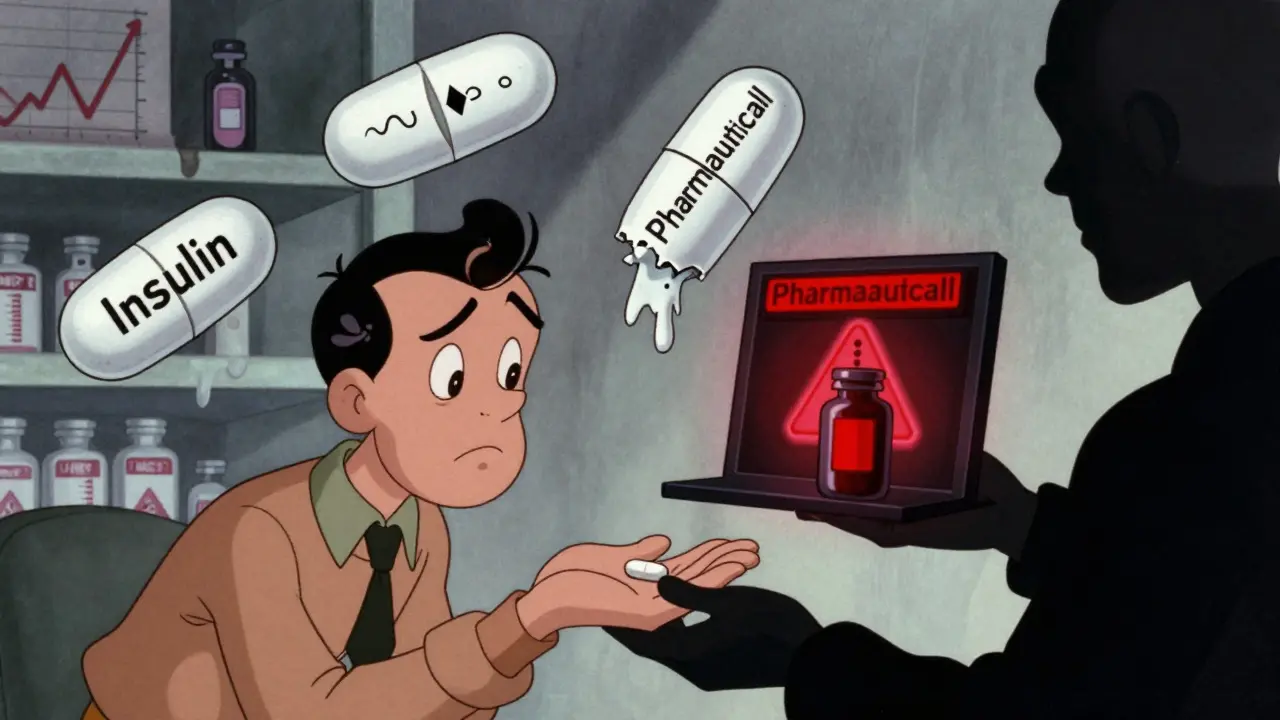
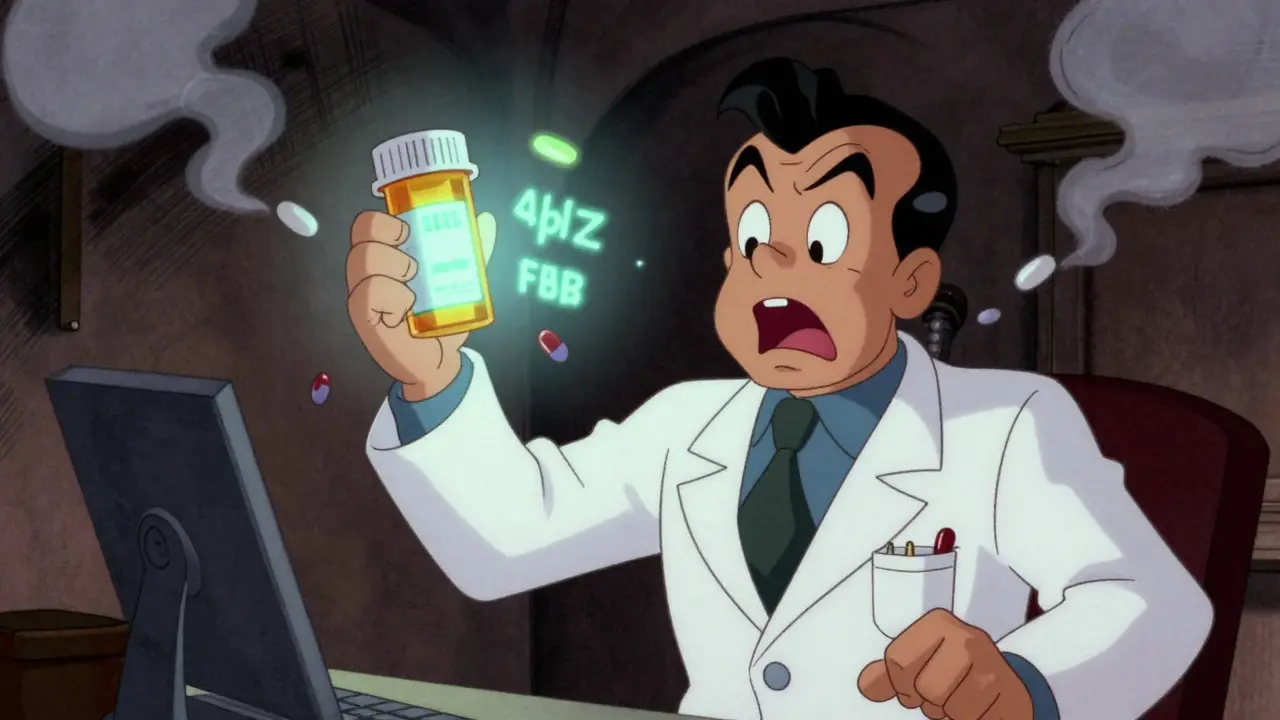
When you swallow a pill, you expect it to work. You trust the label, the pharmacy, the doctor’s prescription. But what if that pill isn’t real? Counterfeit medications are more common than most people realize - and the symptoms of taking them can be deadly. Unlike substandard drugs that result from poor manufacturing, counterfeit meds are deliberately fake. They’re made to look real, but they contain the wrong ingredients, the wrong dose, or nothing at all. And the consequences? They range from your condition getting worse to sudden, life-threatening poisoning.
You Took Your Medicine - But Nothing Happened
One of the most common signs you’ve taken a counterfeit drug is that it simply doesn’t work. You take your blood pressure pill, but your numbers stay high. You take your insulin, and your blood sugar keeps climbing. You take your antidepressant, and your mood doesn’t improve. This isn’t just bad luck or tolerance - it’s a red flag.According to Eli Lilly’s 2022 data, 89% of reported counterfeit medication cases involved patients who experienced complete lack of therapeutic effect, even when taken exactly as prescribed. This happens because many fake pills contain no active ingredient at all. Fake antibiotics? They won’t kill the infection. Fake cholesterol meds? Your arteries keep clogging. Fake diabetes drugs? Your body keeps burning through sugar.
If you’ve been taking your medication the same way for months - and suddenly, it’s not working - don’t assume your body changed. Check the pill. Compare it to your last refill. If the color, shape, or markings look off, it might not be your body - it might be the pill.
New, Strange, or Severe Side Effects
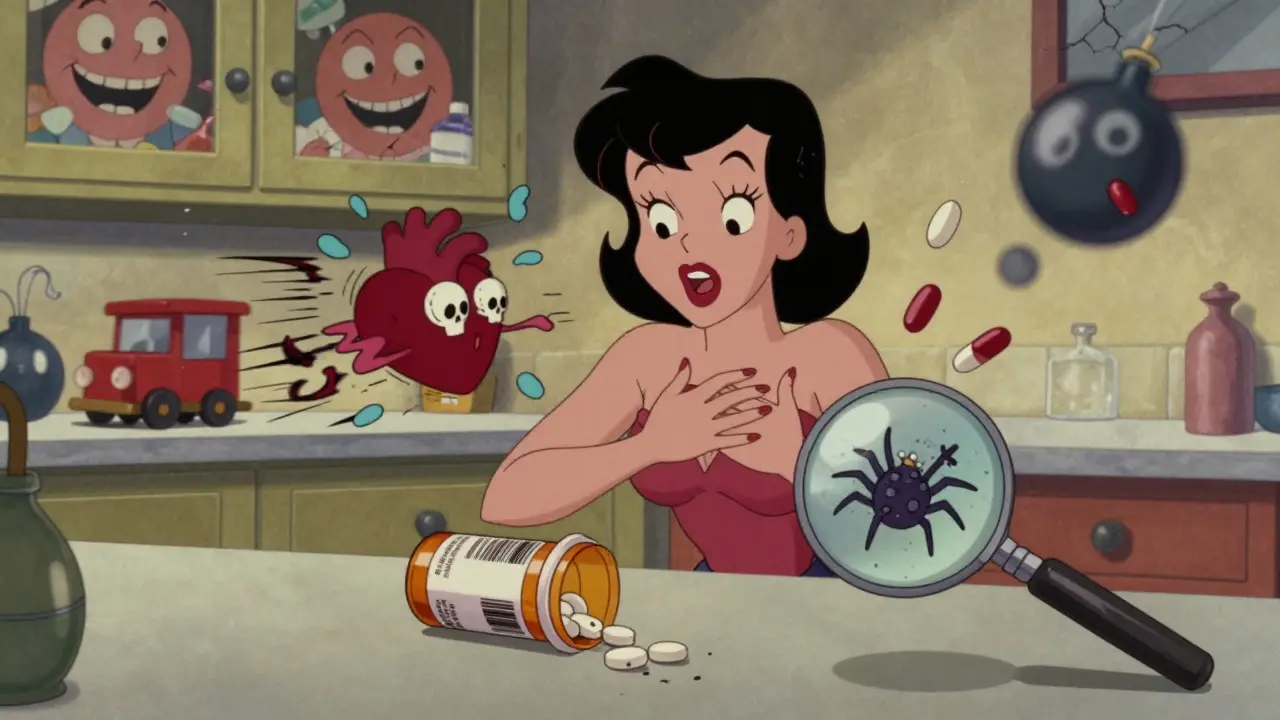
Another major warning sign: side effects you’ve never had before. Maybe you’ve taken your anxiety med for years with no issues. Now you’re sweating, shaking, or having heart palpitations. Or you’ve been on a painkiller for months, and now you’re vomiting violently or seeing blurred vision.The FDA found that in 74% of confirmed counterfeit cases, patients reported new or unusual side effects after taking the drug. Why? Because counterfeit pills often contain hidden, dangerous substances. A fake Adderall might contain buprenorphine - an opioid - which can trigger withdrawal in people who aren’t used to it. A fake Xanax might contain methamphetamine, causing rapid heartbeat, high blood pressure, or even seizures.
And then there’s the worst-case scenario: fentanyl. The DEA reports that 26% of counterfeit pills seized in 2021 contained a lethal dose of fentanyl - a synthetic opioid 50 to 100 times stronger than heroin. People think they’re taking oxycodone or Xanax. Instead, they’re getting a dose strong enough to stop breathing. Symptoms come fast: pinpoint pupils, extreme drowsiness, slow or shallow breathing, and loss of consciousness. In as little as 15 minutes, someone can slip into a coma - or die.
Something Looks Off About the Pill
You don’t need a lab to spot a fake. Sometimes, your eyes are enough.Pfizer’s security team found that 78% of counterfeit pills between 2020 and 2022 had spelling errors on the label. “Pharmaceutical” misspelled as “Pharmaceuticall”? “Dosage” written as “Doseage”? That’s not a typo - that’s a forgery. Legitimate drug manufacturers don’t make those mistakes.
Look closely at the pill itself. Is it cracked? Crumbly? Has a bubbled or uneven coating? Does it have a different color than your last refill? Is the imprint faded or blurry? Real pills are made with precision. Their size, weight, and shape are consistent. Even the embossing on the surface - the letters or numbers stamped into the tablet - should be sharp and clear.
Check the packaging too. Is the box the same shade of blue as last time? Are the fonts the same size? Is the expiration date smudged or rewritten? Are the security seals broken? Fake packaging often has mismatched colors, missing holograms, or inconsistent barcodes. The UK’s MHRA found that 63% of counterfeit medicines had altered or fake expiration dates.
Where You Got the Medicine Matters
Most counterfeit drugs come from illegal online pharmacies. The DEA says 96% of websites selling prescription drugs operate illegally. And 89% of those sites sell fake pills.People turn to these sites because they’re cheaper. But “cheap” can mean deadly. A fake oxycodone pill might cost $2 online. But if it contains fentanyl, it could kill you before you even get to the next class or work shift.
Even if you buy from a local pharmacy, it’s not foolproof. Counterfeiters sometimes infiltrate supply chains. That’s why it’s critical to always get your prescriptions filled at a licensed pharmacy - not a gas station, not a street vendor, not a website that doesn’t require a prescription.
What to Do If You Suspect a Fake
If you think you’ve taken a counterfeit drug, don’t wait. Don’t assume it was a one-time thing. Act fast.- Stop taking the medicine. Even if you feel fine, the next pill could be worse.
- Save the pill and packaging. Don’t throw it away. Take a photo. Keep the bottle.
- Call your pharmacist. They can check the lot number against manufacturer databases. Eli Lilly, Pfizer, and Merck all track counterfeit lots and have hotlines to verify authenticity.
- Contact the manufacturer. Most big drug companies have a counterfeit reporting line on their website. Provide the lot number, batch code, and where you bought it.
- Report it to the FDA. Use the MedWatch system to file an adverse event report. Your report helps others avoid the same danger.
- See a doctor immediately if you feel unwell. Symptoms like difficulty breathing, chest pain, confusion, or extreme drowsiness need emergency care.
The UK’s MHRA once intercepted 15,000 packs of fake cancer drugs and 20,000 packs of fake blood thinners after one suspicious phone call. That’s how powerful reporting can be.
How to Protect Yourself
You can’t spot every fake pill - but you can reduce your risk.- Only buy from licensed pharmacies. Look for the VIPPS seal (Verified Internet Pharmacy Practice Sites) if buying online.
- Never buy prescription drugs without a valid prescription. If a site sells them without one, it’s illegal.
- Compare your pills each time you refill. Note the color, shape, size, and imprint. If it changes, ask why.
- Use the FDA’s “Know Your Source” campaign resources. They have videos and checklists for spotting fake pills.
- Ask your pharmacist to verify the manufacturer’s security features. Some pills now have microscopic DNA tags or color-shifting ink that’s invisible to the naked eye.
The threat isn’t going away. The WHO predicts counterfeit drugs will increase 25% each year through 2025. Criminals are getting better at copying labels. But you can stay ahead - by knowing what to look for, and what to do when something doesn’t feel right.
Frequently Asked Questions
Can counterfeit meds make you sick even if they don’t contain poison?
Yes. Even if a fake pill contains no toxic substances, it can still harm you. If you’re taking it for a chronic condition - like high blood pressure, diabetes, or epilepsy - and it has no active ingredient, your condition will worsen. Over time, uncontrolled high blood pressure can lead to stroke. Untreated diabetes can cause nerve damage or kidney failure. Skipping treatment because of a fake pill can be just as dangerous as taking poison.
Are fake pills only a problem for opioids and anxiety meds?
No. While fake opioids like oxycodone and Xanax are the most common, counterfeit versions of antibiotics, heart medications, cancer drugs, and even insulin have been found. The WHO reports that 42% of fake antimalarial drugs contain too little active ingredient, leading to treatment failure and drug-resistant malaria. Fake insulin can cause diabetic coma. Fake statins can lead to heart attacks. No medication is safe from counterfeiting.
Can I test a pill at home to see if it’s real?
No reliable home test exists. Some people use drug testing strips meant for street drugs, but these can’t detect all fake ingredients - especially when the pill looks real but has the wrong dose. The only way to confirm authenticity is through laboratory testing by a certified lab. That’s why reporting suspicious pills to the FDA or manufacturer is critical - they have the tools to test them properly.
What if I bought the medicine from a local pharmacy - could it still be fake?
Yes. While rare, counterfeit drugs can enter legitimate supply chains. Criminals sometimes sell fake products to distributors who then sell them to pharmacies. That’s why pharmacists are trained to check lot numbers and packaging. If you notice something odd, ask your pharmacist to verify the batch. They’re required to report suspicious products - and they’ll thank you for helping keep the system safe.
Why are fake pills so hard to spot?
Because counterfeiters now use 3D printing, high-quality molds, and real packaging materials. Some fake pills are nearly identical to the real thing - down to the color and imprint. The only differences are microscopic: slight variations in weight, coating thickness, or chemical composition. That’s why even trained pharmacists rely on lot number checks and manufacturer databases, not just visual inspection.
How common are counterfeit meds in the U.S.?
In legal, regulated supply chains, counterfeit drugs are rare - estimated at about 1% of the market. But in illegal online markets, it’s as high as 89%. The bigger danger is fentanyl-laced pills sold as prescription drugs. The CDC reports 12,000 U.S. deaths in 2023 alone from counterfeit pills containing fentanyl. Most victims were young adults who thought they were taking a harmless painkiller or anxiety pill.

John Brown
Been there. Took my dad's blood pressure med after he passed, didn't realize the bottle was mixed up. Felt like I was gonna pass out. Turned out the pills were from a sketchy online pharmacy he got during a crisis. Never again. Always check the imprint. Always.
Melissa Taylor
This is so important. I work in community health and see people skipping meds because they’re too expensive, then turning to shady sites. No one should have to risk their life to afford a pill. Pharmacies need to do more outreach - and we need to stop shaming people who can’t pay.
Benjamin Glover
Typical American negligence. You think a pill is a pill. In Europe, we have strict traceability. Every batch is tracked from factory to shelf. No one here buys meds off the internet. If you get fooled, you deserve what you get.
Sai Nguyen
India has better drug regulation than the US. Your system is broken. We don’t let fake meds slip through. You people just want cheap stuff and then cry when you get poisoned.
Raj Kumar
Bro, I got a fake metformin once. Took it, felt like my stomach was full of glass. Called my pharma, they said the lot was recalled. Turned out some distributor mixed in counterfeit batches from a supplier in Bangladesh. Real scary. Always check the lot #. It’s free.
Jocelyn Lachapelle
My cousin took a fake Xanax at a party. Thought it was just a party pill. Ended up in the ER with a heart rate of 180. They said it had meth and fentanyl. She’s okay now but won’t touch anything without a script. Seriously, if you don’t know the source, don’t swallow it.
Mike Nordby
While the article presents a compelling case for vigilance, it lacks a critical discussion on systemic drivers: pharmaceutical pricing models, regulatory gaps in international supply chains, and the absence of affordable access as root causes. Without addressing these, consumer vigilance remains a Band-Aid on a hemorrhage.
Michelle M
It’s wild how we’ve been trained to trust medicine like it’s sacred. But if you think about it - we hand over our health to a system we don’t understand, with no way to verify what’s inside. Maybe the real danger isn’t the fake pills… it’s the belief that anyone else is watching out for us.
John Samuel
Just got back from the pharmacy. My statin looked slightly off - the white was a tad yellowish. Asked the pharmacist. She pulled up the batch, checked the hologram, and said, ‘Good catch. That one’s flagged.’ We high-fived. She’s a hero. If you see something, say something. It’s not paranoia - it’s self-preservation.