
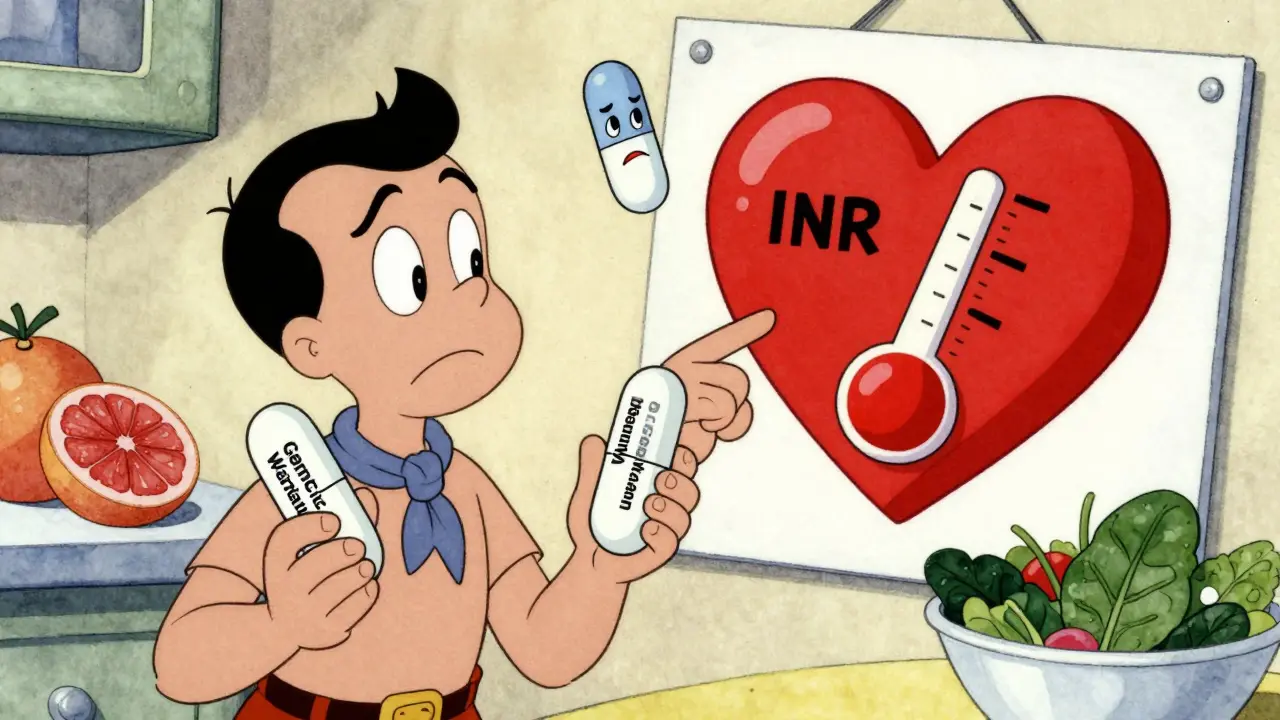
Many people assume that generic drugs are just cheaper copies of brand-name pills - and that’s mostly true. But when it comes to drug interactions, the story gets more complicated. You might hear stories online: "My generic warfarin made my INR spike," or "I switched to the generic levothyroxine and felt awful." These aren’t just myths. They’re real experiences. But here’s the catch: the problem isn’t usually the active ingredient. It’s what’s hiding in the pill.
Why You Think Generics Interact Differently
The FDA requires generic drugs to contain the same active ingredient, strength, and dosage form as the brand-name version. That means if you’re taking a generic version of simvastatin, it’s chemically identical to the brand-name Zocor. So why do some people report different side effects or unexpected reactions? The answer lies in the inactive ingredients - things like fillers, dyes, and preservatives. These don’t treat your condition, but they can cause problems in sensitive people. One documented case involved a patient who developed stomach cramps after switching from brand-name levothyroxine to a generic version. The culprit? Lactose. The generic used lactose as a filler. The patient had a mild lactose intolerance they never knew about. The brand-name version used a different filler. Same drug. Different reaction. Then there’s the nocebo effect - the opposite of placebo. If you believe generics are inferior, your brain can make you feel worse. A 2022 Kaiser Family Foundation survey found that 47% of patients thought generics worked differently than brand-name drugs. But when researchers checked medical records, only 3.7% of those reports matched actual physiological changes. The rest? Expectations shaping perception.Drug Interactions: It’s All About the Active Ingredient
Drug interactions happen because of how your body processes the active chemical. For example, fluconazole (an antifungal) can slow down how your liver breaks down simvastatin. That causes simvastatin to build up in your blood - increasing the risk of muscle damage. This interaction happens whether you take the brand-name or the generic version. The FDA requires generic manufacturers to prove their product behaves the same way in the body. That’s called bioequivalence. The standard? The generic must deliver between 80% and 125% of the brand-name’s absorption rate. For most drugs, that’s fine. But for drugs with a narrow therapeutic index - where a tiny change in blood level can cause harm - the rules are tighter. Warfarin, digoxin, phenytoin, and levothyroxine all fall into this category. For these, the FDA requires bioequivalence within 90% to 112%. That’s a much smaller window. Even so, the active ingredient is still the same. The risk of interaction comes from the drug itself, not whether it’s generic.Where the Real Risks Hide: Excipients and Switching
Here’s where things get messy. Generic manufacturers aren’t required to use the same inactive ingredients as the brand-name drug. They can change fillers, coatings, or preservatives between batches. One batch of generic sertraline might use sodium benzoate. The next might use hydrochloride. For most people, this doesn’t matter. But for someone with a rare sensitivity, it can trigger nausea, headaches, or even allergic reactions. Another issue? Switching between generic brands. In the U.S., 32% of prescriptions for generics switch manufacturers at least once a year. That’s because pharmacies often choose the cheapest option. So you might get one generic in January, another in March, and a third in June. Each has different fillers. If you’re on a narrow therapeutic index drug, even small changes in how the pill dissolves can affect absorption. That’s why the FDA recommends sticking with the same generic manufacturer for drugs like warfarin or levothyroxine. A 2022 FDA review found that 1,842 adverse event reports involved switching generics. But only 217 of those - about 12% - were linked to actual pharmacological changes. The rest? Patients forgot to take their pill, changed their diet, or started a new supplement. The switch itself wasn’t the problem. The confusion was.
Narrow Therapeutic Index Drugs: The High-Stakes Zone
Some medications need to stay in a very tight range in your bloodstream. Too little? The drug doesn’t work. Too much? You could bleed, have a seizure, or go into heart failure. Warfarin is the classic example. A 10% change in blood level can mean the difference between a clot and a stroke. That’s why doctors check your INR regularly. When patients switch generics, some report INR spikes. But follow-up studies show that in 89% of these cases, the real cause was dietary changes - eating more spinach, skipping meals, or drinking grapefruit juice. Grapefruit juice blocks an enzyme that breaks down many drugs, including some blood thinners. That’s a food-drug interaction. It doesn’t care if the pill is generic or brand-name. The same goes for levothyroxine. If your thyroid hormone levels swing, you might feel tired, gain weight, or get heart palpitations. But if you switch from one generic to another, and your doctor doesn’t retest your TSH levels, you might think the new pill is faulty. It’s not. It’s just that your body needs time to adjust - or your dose needs tweaking.What You Can Do: Practical Steps for Safety
You don’t need to avoid generics. They’re safe, effective, and save billions each year. But you do need to be smart.- Stick with one generic manufacturer if you’re on warfarin, levothyroxine, or phenytoin. Ask your pharmacist to fill your prescription with the same brand each time.
- Know your inactive ingredients. If you have allergies to lactose, gluten, or certain dyes, ask your pharmacist what’s in your pill. Generic labels don’t always list fillers clearly, but pharmacists can check the manufacturer’s data sheet.
- Track your symptoms. If you feel different after switching pills, write down when it happened, what you changed, and how you felt. Bring it to your doctor. Don’t assume it’s the drug.
- Don’t mix grapefruit juice with statins, blood pressure meds, or sedatives. It doesn’t matter if the drug is generic. Grapefruit juice interferes with the same enzyme every time.
- Use a pill organizer. Missed doses or double-dosing can mimic drug interactions. If your INR or thyroid levels are off, rule out adherence issues first.

The Bigger Picture: Perception vs. Reality
Despite all the evidence, 47% of patients still believe generics are less reliable. That’s not just misinformation - it’s a public health risk. People who distrust generics are more likely to skip doses, switch back to expensive brand-name drugs, or avoid treatment altogether. In 2023, unnecessary brand-name prescriptions cost the U.S. healthcare system $8.7 billion. The FDA’s 2024 Generics Awareness Campaign is trying to fix this. They’re putting out clear, simple materials: "Your generic pill has the same active ingredient. The only difference is the price." But real change comes from conversations - between patients and pharmacists, doctors and nurses. If you’re on a high-risk medication, ask your pharmacist: "Is this the same manufacturer as last time?" If you’re switching from brand to generic, ask your doctor: "Should I get a blood test in two weeks?" Small questions. Big safety wins.Final Thought: Trust the Science, Not the Story
Generics aren’t perfect. But they’re not dangerous because they’re generic. The real danger comes from assuming they’re different - and then ignoring the real causes of side effects: diet, missed doses, new supplements, or undiagnosed conditions. The science is clear: drug interactions depend on the active ingredient. Not the label. Not the price. Not the brand. If you’re worried about your medication, talk to your pharmacist. They have the data. They’ve seen the cases. And they’re trained to spot what really matters.Do generic drugs have the same interactions as brand-name drugs?
Yes. The active ingredient in a generic drug is identical to the brand-name version, so it interacts with other drugs, foods, and supplements in the same way. The FDA requires generic manufacturers to prove bioequivalence before approval. If a brand-name drug interacts with grapefruit juice, so does its generic version.
Can inactive ingredients in generics cause side effects?
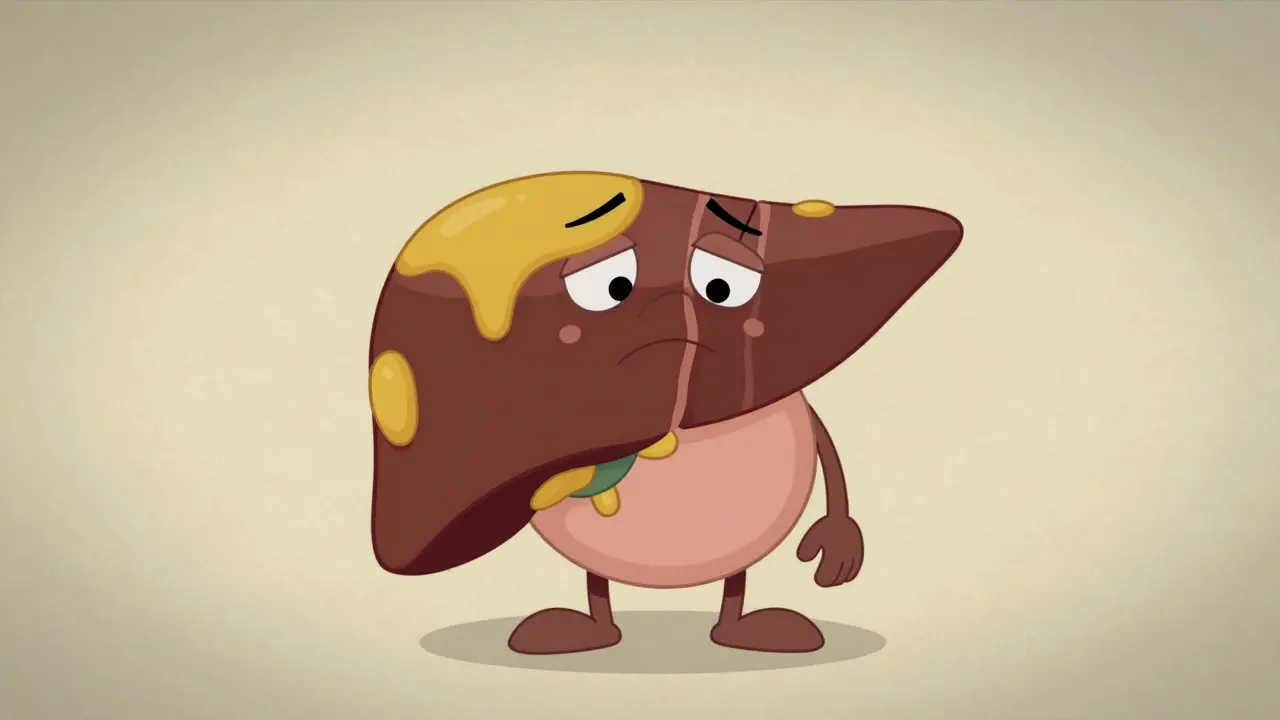
Yes, but rarely. Inactive ingredients like lactose, dyes, or preservatives don’t affect how the drug works, but they can trigger allergic reactions or digestive issues in sensitive people. For example, someone with lactose intolerance might have stomach cramps with a generic version that uses lactose as a filler, even if the brand-name version uses a different ingredient.
Why do some people feel worse after switching to a generic?
In most cases, it’s not the drug - it’s the switch. Changing manufacturers can mean a different filler or coating, which affects how quickly the pill dissolves. For drugs with a narrow therapeutic index - like warfarin or levothyroxine - even small changes can require a dose adjustment. Psychological factors also play a role: if you expect the generic to be less effective, your body may respond as if it is.
Should I avoid switching between generic brands?
For most medications, switching is fine. But for drugs like warfarin, levothyroxine, phenytoin, or digoxin, it’s best to stick with the same manufacturer. These drugs have a narrow therapeutic index, meaning tiny changes in blood levels can be dangerous. Ask your pharmacist to fill your prescription with the same generic brand each time.
How do I know if my generic has the same ingredients as the brand?
You don’t need to. The FDA requires generics to have the same active ingredient, strength, and dosage form. But if you’re concerned about fillers or dyes, ask your pharmacist for the manufacturer’s product information sheet. They can tell you exactly what’s in the pill - including inactive ingredients you might be sensitive to.



Anu radha
I switched to generic levothyroxine last year and felt so tired all the time. Thought it was stress or my diet. Turned out the filler had lactose-I didn’t even know I was sensitive. My pharmacist helped me find a lactose-free version. So glad I didn’t just quit taking it.
Jigar shah
The bioequivalence standards for narrow therapeutic index drugs are rigorously enforced by the FDA, and multiple peer-reviewed studies confirm that clinically significant differences between approved generics and brand-name drugs are exceedingly rare. The perception of variability is largely attributable to confirmation bias and inconsistent patient adherence.
Naomi Lopez
Ugh, I used to think generics were fine until I started taking my $800/month brand-name antidepressant and realized how much better I felt. It’s not just placebo-it’s the *quality*. You can’t replicate luxury in a $4 pill. Also, why would a company with zero R&D budget make something as delicate as a psychiatric med?
Salome Perez
As someone who’s worked in pharmacy for over two decades, I’ve seen patients panic over generic switches-only to discover they’d started drinking grapefruit juice daily or missed doses because their pill organizer got lost. The science is rock-solid: the active ingredient doesn’t care if it’s in a red or white capsule. What matters is consistency, communication, and a good pharmacist who remembers your name.
Don’t fear the generic. Fear the silence between you and your care team.
Victoria Rogers
Generics are a socialist scam. America spends billions on these cheap knockoffs and now people think they’re just as good. My cousin got seizures after switching. The FDA’s got lobbyists on the payroll. You think they’d let a $0.10 pill be as safe as a $5 one? Wake up.
Jane Wei
My mom takes warfarin. Switched generics once, INR went wild. Turned out she was eating more kale that week. No one told her. She blamed the pill. We all did. Lesson learned: track everything. Even the spinach.
Jody Patrick
My aunt has gluten sensitivity. She got a generic pill with wheat starch and got sick every time. We called the pharmacy, they checked the sheet, switched her to a different brand. Now she’s fine. Ask about fillers. It’s not hard.
Radhika M
My dad’s on phenytoin. We stick with the same generic maker because his neurologist said so. He’s had zero issues. Don’t overthink it-but don’t ignore the details either. Talk to your pharmacist. They know more than you think.
Philippa Skiadopoulou
Pharmacists are the unsung heroes here. They hold the batch records, know the excipients, and can trace a patient’s reaction to a specific manufacturer’s filler. Yet patients rarely ask. The system works if you engage with it.
Pawan Chaudhary
Don’t let fear stop you from saving money. Generics saved my family thousands last year. My sister’s on levothyroxine and feels better than ever. Sometimes the problem isn’t the pill-it’s the worry around it.
Peter Ronai
Oh wow. Another feel-good article from Big Pharma’s PR team. You really believe the FDA doesn’t cut corners? Tell that to the 2012 compounding scandal. Or the 2018 valsartan recall. Or the 2021 metformin contamination. Generics are a lottery. And you’re the sucker buying the ticket.