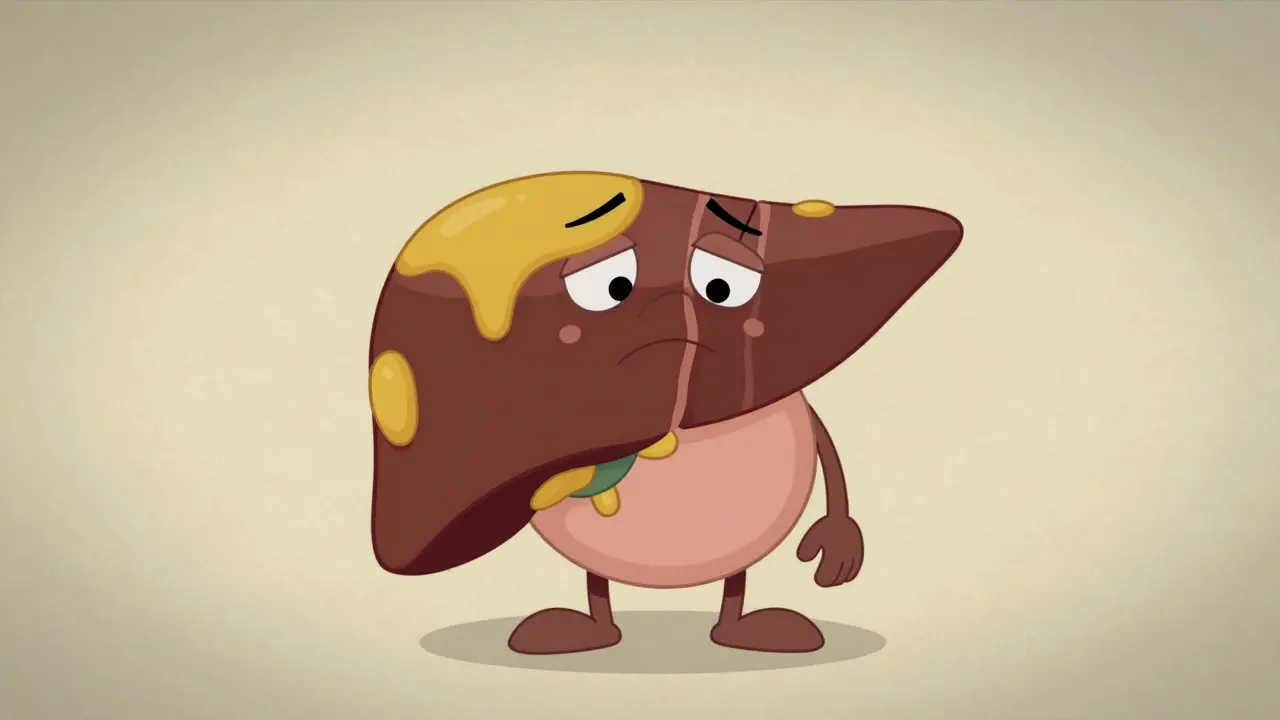
Having a fatty liver often feels like fighting a ghost. You can't feel it happening, and you might not even know it's there until a routine blood test or ultrasound reveals the truth. Whether your doctor calls it Non-Alcoholic Fatty Liver Disease (NAFLD) or the newer term MASH (Metabolic Dysfunction-Associated Steatohepatitis), the core issue is the same: your liver has stored too much fat, and it's starting to cause trouble. For about 14.9 million adults in the U.S. alone, this isn't just a medical footnote-it's a serious risk for cirrhosis and liver cancer.
The good news? Your liver is incredibly resilient. Unlike some organs, the liver can actually heal and reverse damage if you give it the right environment. The most powerful tool you have isn't a magic pill, but a focused approach to weight loss. While it sounds simple, losing weight with MASH requires a specific strategy to ensure you're actually reducing liver fat, not just losing water weight or muscle. Here is how you can realistically tackle this condition using diet, movement, and the latest medical breakthroughs.
The Magic Numbers: How Much Weight Loss Actually Matters?
Not all weight loss is created equal when it comes to liver health. If you lose a pound or two, you might feel better, but your liver histology-the actual structure of the organ-likely won't change much. To see real clinical improvement, you need to hit specific benchmarks.
According to the American Association for the Study of Liver Diseases (AASLD), losing more than 5% of your total body weight is the first major milestone. At this point, you'll likely see a significant reduction in hepatic steatosis, which is just the medical way of saying "fat in the liver." However, the real gold standard is a 10% weight loss. When you hit the 10% mark, research shows that not only does the fat decrease, but the liver fibrosis-the scarring that leads to permanent damage-can actually start to regress.
The challenge is that this is harder than it looks. Data shows that fewer than one-third of people manage to hit that 5% goal, and only a quarter of those who do can keep the weight off. This is why a "crash diet" usually fails; you need a sustainable system that addresses the metabolic drivers like type 2 diabetes and high LDL-cholesterol.
Eating for Your Liver: Beyond Just Counting Calories
While a calorie deficit is necessary to lose weight, the type of food you eat determines how quickly your liver heals. You want to avoid "feeding" the fat deposits. This means cutting back on refined sugars and saturated fats, which the liver easily converts into more fat storage.
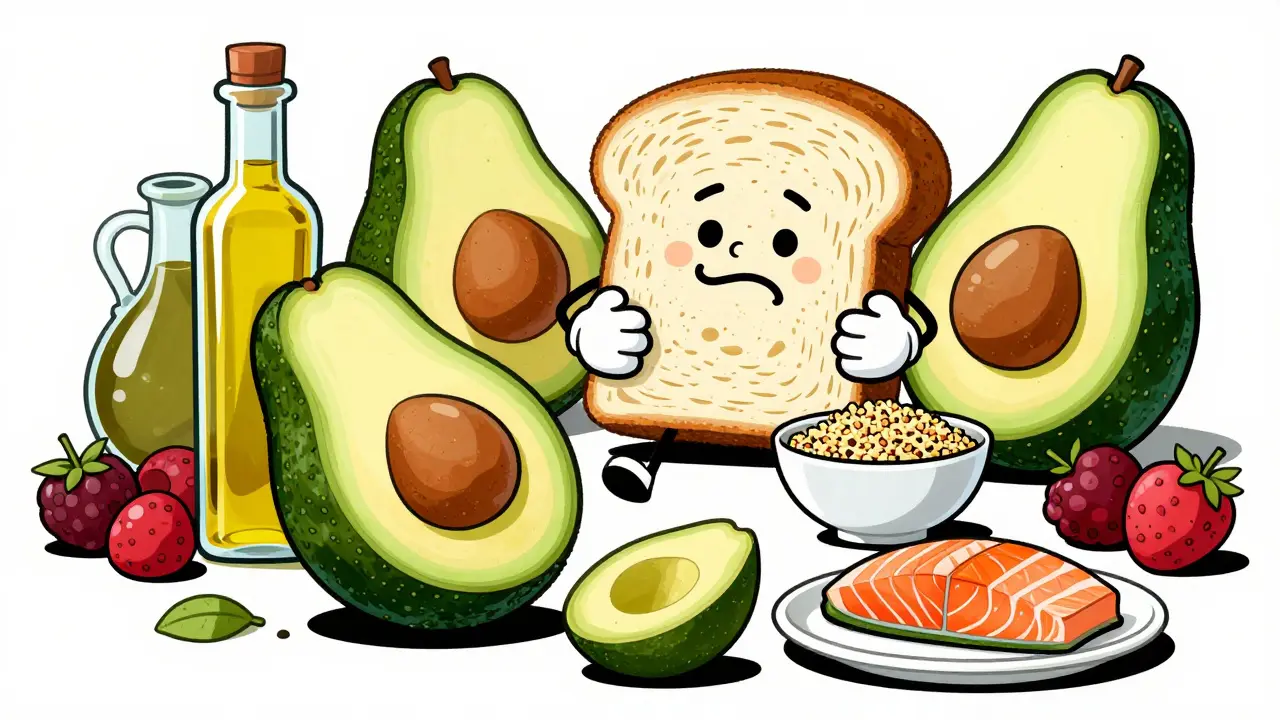
The Mediterranean Diet is widely considered the gold standard for liver health. It isn't a restrictive fad; it's a pattern based on whole grains, fruits, vegetables, and healthy fats like olive oil. Meta-analysis data shows this specific way of eating leads to statistically significant drops in alanine aminotransferase (ALT) levels-a key enzyme that signals liver inflammation-and reduces overall liver stiffness.
If you're starting today, aim for a daily deficit of 500 to 1,000 calories. For most people, this results in a steady loss of 1 to 2 pounds per week. Focus your plate on:
- Fiber-rich carbs: Swap white rice and pasta for quinoa, oats, and leafy greens.
- Healthy fats: Use avocado and extra-virgin olive oil instead of butter or corn syrup.
- Lean proteins: Prioritize fish and legumes over processed red meats.
| Avoid / Limit | Replace With | Reasoning |
|---|---|---|
| High Fructose Corn Syrup | Fresh Berries | Fructose is processed directly by the liver into fat. |
| Saturated Fats (Fried Foods) | Omega-3s (Salmon, Walnuts) | Reduces inflammation and improves lipid profiles. |
| White Bread / Sugary Cereals | Whole Grains / Steel-cut Oats | Lower glycemic index prevents insulin spikes. |
Moving the Needle: Exercise Guidelines for MASH
Exercise isn't just about burning calories; it's about improving insulin sensitivity. When your muscles use glucose more efficiently, your liver doesn't have to work as hard to manage blood sugar, which reduces the amount of new fat it stores. Mayo Clinic guidelines suggest a minimum of 150 minutes of moderate-intensity activity per week.
You don't need to run marathons to see results. Brisk walking, cycling, or swimming all work. The key is consistency. Many people hit a weight loss plateau around the six-month mark-this happens to about 60% of patients. When this happens, don't give up. Instead, try "periodizing" your exercise by adding strength training twice a week. Building muscle increases your resting metabolic rate, helping you push through those plateaus.
The New Frontier: Medication Options
For years, there were almost no approved drugs specifically for fatty liver. Doctors often tried Metformin, but the benefits were modest. That changed recently with a major shift in how we treat metabolic diseases.
In August 2025, the FDA granted accelerated approval to Wegovy (semaglutide) for adults with MASH and moderate-to-advanced fibrosis. This is a GLP-1 receptor agonist. Essentially, it mimics a hormone that tells your brain you're full and helps your pancreas manage insulin. While it's well-known for weight loss, its impact on the liver is profound.
Clinical trials showed that about two-thirds of patients using semaglutide experienced a reduction in liver inflammation, and more than a third saw a decrease in actual liver fibrosis. Perhaps most impressively, nearly 90% of patients stayed on the medication for over a year, suggesting it's generally well-tolerated, despite some common gastrointestinal side effects like nausea.
However, the cost is a huge hurdle. Without insurance, Wegovy can cost over $1,300 a month, compared to the few dollars a generic like Metformin might cost. Because of this, medication should be seen as a tool to enable lifestyle changes, not a replacement for them.
Choosing Your Path: Lifestyle vs. Medication
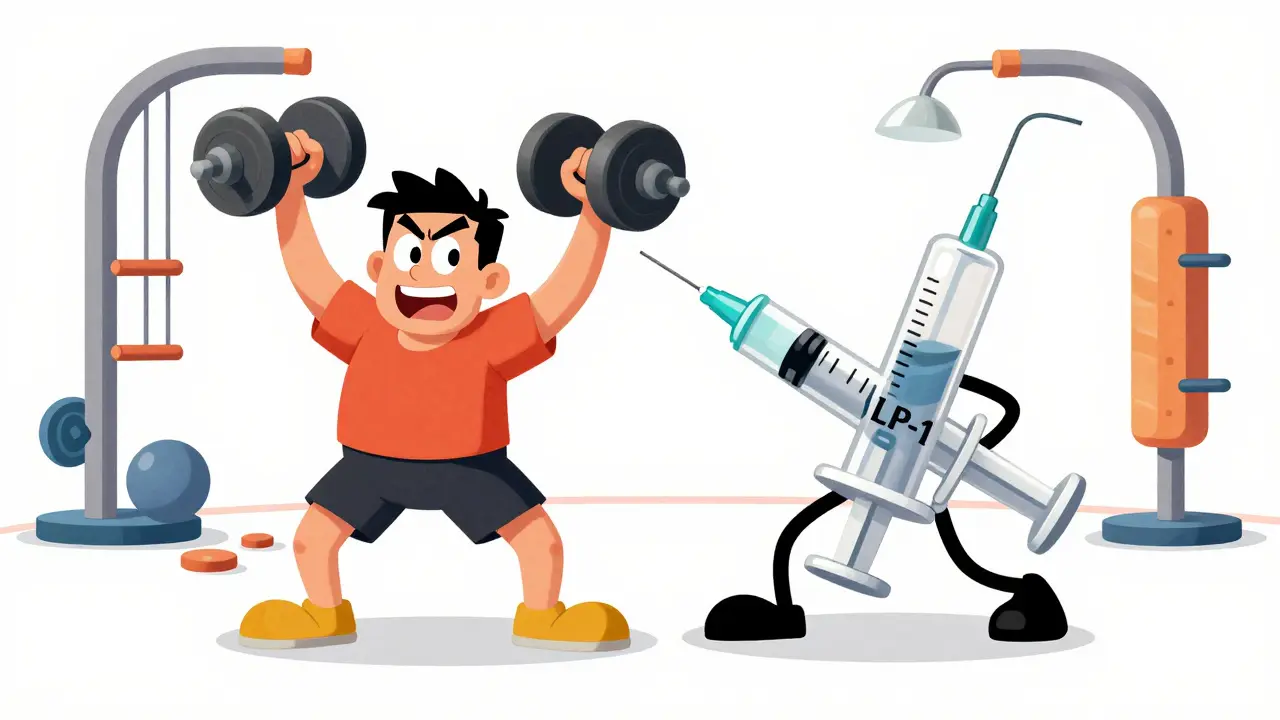
If you're wondering whether you should focus on diet or ask for a prescription, it's important to look at the evidence. Interestingly, most head-to-head studies haven't shown that medications are clearly superior to effective lifestyle modifications alone. If you can achieve a 10% weight loss through diet and exercise, you might get the same (or better) liver results as someone taking a drug.
The real value of drugs like semaglutide is that they solve the "willpower gap." For people who struggle with intense food cravings or have metabolic resistance, the medication makes the diet and exercise possible. It's not an "either/or" situation; it's a "both/and" approach. The most successful patients use medication to lower their appetite and inflammation, which then gives them the energy and control to maintain a Mediterranean-style diet and a regular workout routine.
Practical Steps to Get Started
Tackling MASH is a marathon, not a sprint. If you try to change everything overnight, you'll likely burn out. Instead, use this phased approach:
- Month 1: The Cleanup. Focus on removing liquid sugars (sodas, juices) and processed snacks. Start walking 30 minutes a day, five days a week.
- Month 2: The Pattern. Shift toward the Mediterranean model. Start tracking your calories to ensure a 500-calorie deficit.
- Month 3: The Optimization. Add strength training. If you aren't seeing weight loss or your ALT levels remain high, this is the time to talk to your doctor about GLP-1 agonists like Wegovy.
Remember to protect your liver from further insult. This means avoiding alcohol entirely and being cautious with supplements or over-the-counter medications that can stress the liver. Your healthcare team should include a primary doctor, perhaps a hepatologist, and a registered dietitian to keep you on track.
What is the difference between NAFLD and MASH?
NAFLD is the broader term for fat accumulation in the liver. MASH (formerly NASH) is a more severe form of the disease where the fat causes inflammation and cell damage, which can lead to scarring (fibrosis) and permanent liver failure.
Can I reverse liver fibrosis with weight loss?
Yes, it is possible. Clinical evidence suggests that weight loss exceeding 10% of total body weight can lead to the regression of liver fibrosis, although the extent of reversal depends on the stage of the disease at the time of intervention.
Is Wegovy safe for long-term liver treatment?
Wegovy received FDA accelerated approval based on histological improvements. While short-term data is very positive, with high retention rates, the FDA requires post-marketing studies to confirm long-term clinical benefits and safety.
Why is the Mediterranean diet better than other diets for the liver?
Unlike restrictive diets, the Mediterranean diet emphasizes healthy fats (omega-3s) and high fiber, which reduce liver inflammation and improve how the body handles insulin, specifically lowering ALT levels and liver stiffness.
How much exercise do I actually need?
The general guideline is at least 150 minutes of moderate activity per week. This can be split into 30-minute sessions five days a week. Adding strength training is recommended to help overcome weight loss plateaus.