Archive: 2026/02
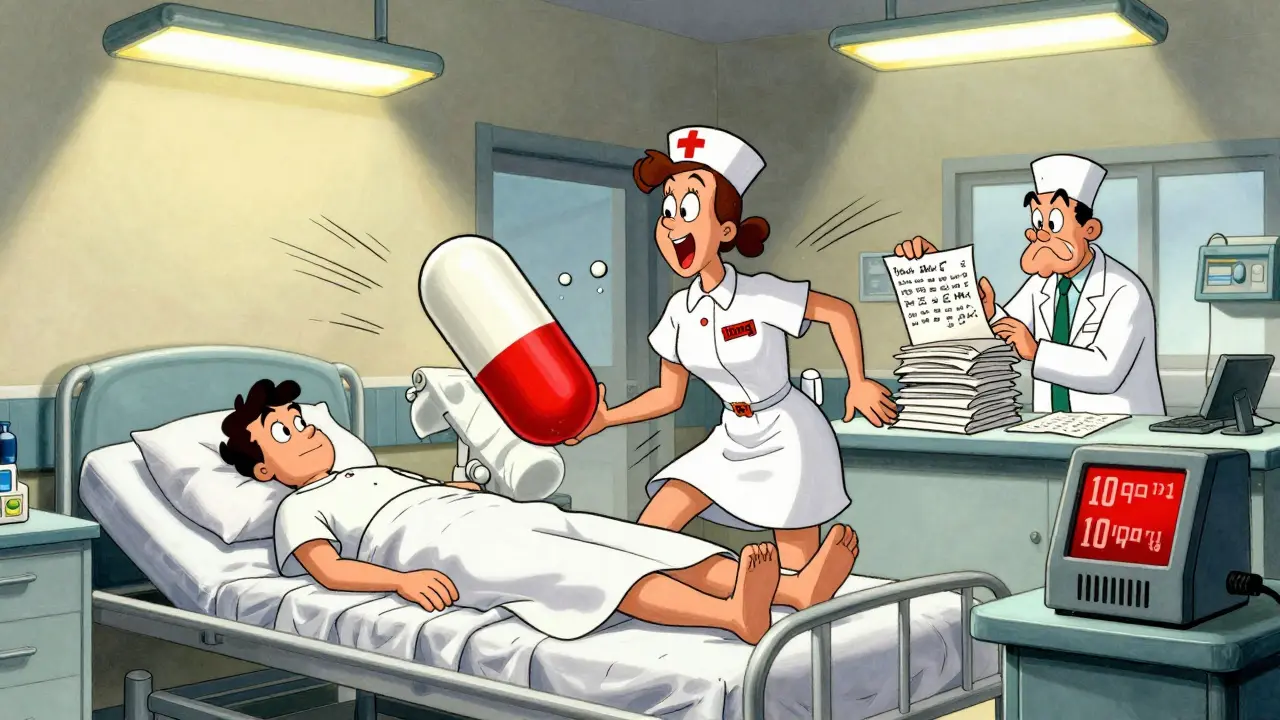
Medication Errors in Hospitals vs. Retail Pharmacies: What You Need to Know
Medication errors happen in both hospitals and retail pharmacies, but they differ in frequency, type, and danger. Hospitals have more errors but better safety nets. Pharmacies have fewer errors - but once they happen, they often go unnoticed. Here’s what you need to know to protect yourself.
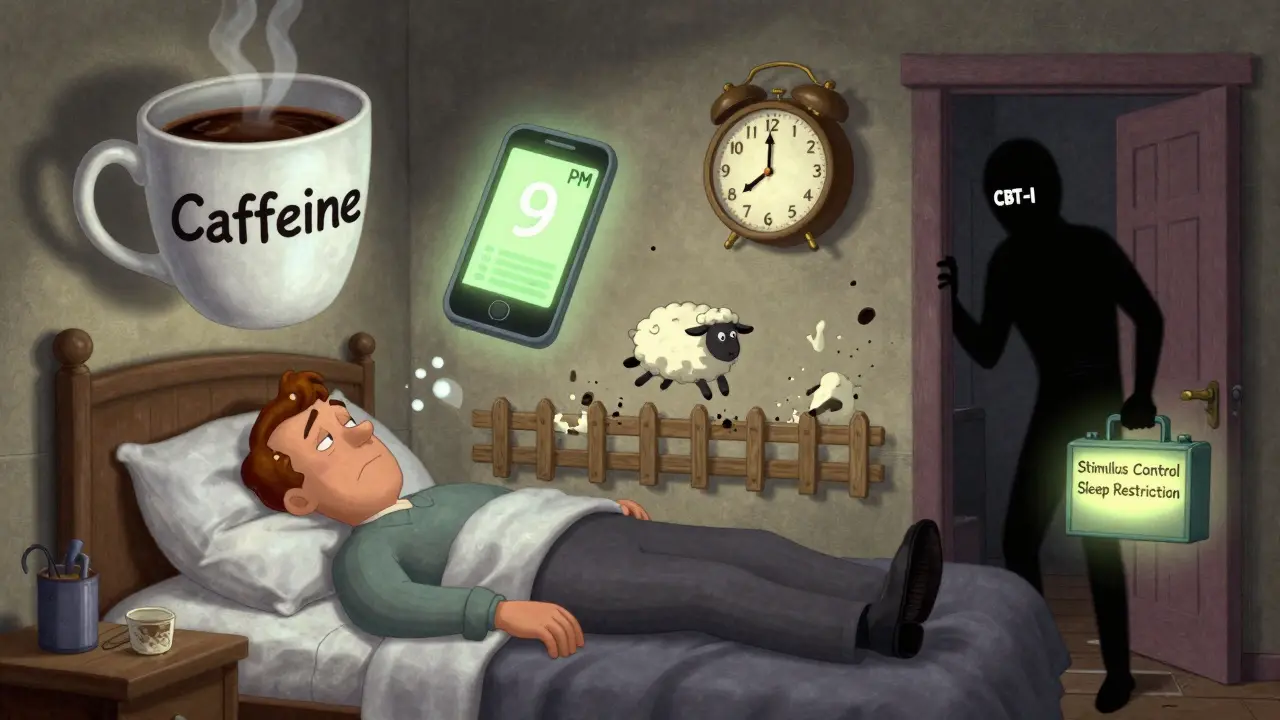
Chronic Insomnia: Why Sleep Hygiene Alone Fails and What Actually Works
Chronic insomnia isn't solved by sleep hygiene alone. Discover why CBT-I is the only proven, long-term solution backed by science-and how to start even without a therapist.
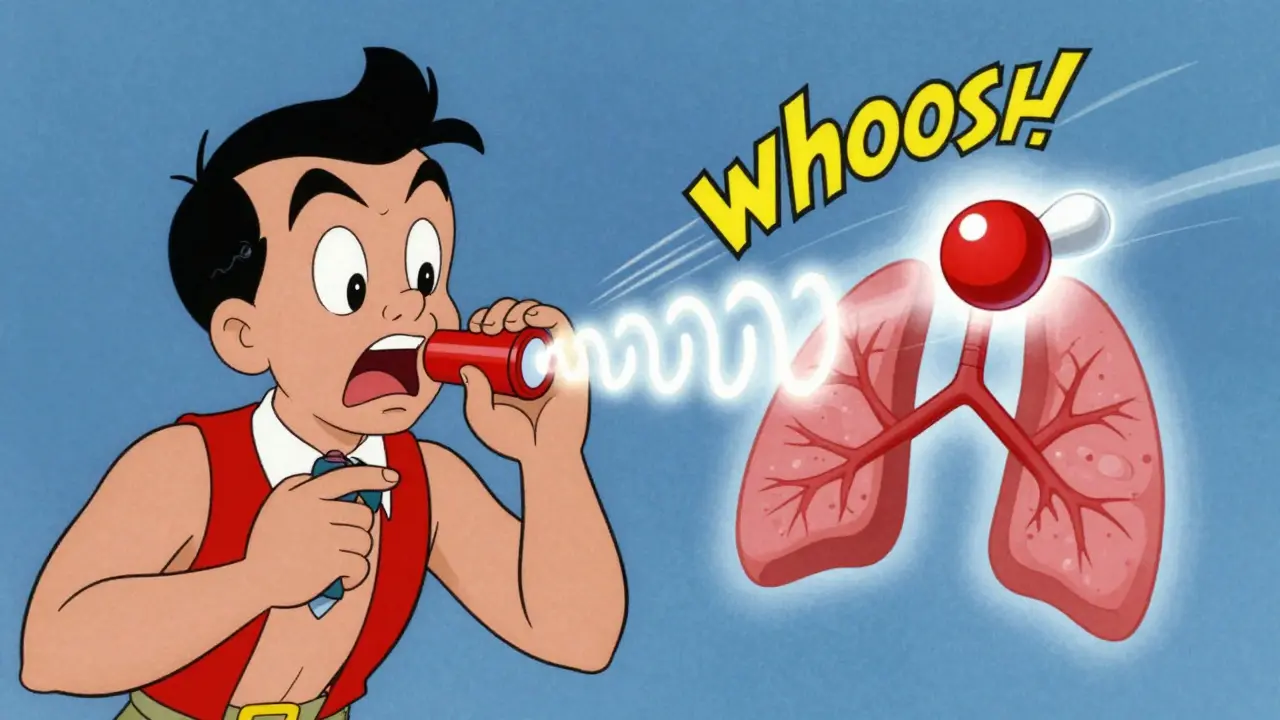
Inhalers Explained: Rescue Inhalers vs. Maintenance Inhalers
Rescue inhalers give quick relief during asthma attacks, while maintenance inhalers prevent symptoms by reducing inflammation. Confusing the two can be dangerous. Learn how they work, how to tell them apart, and why using both correctly matters.
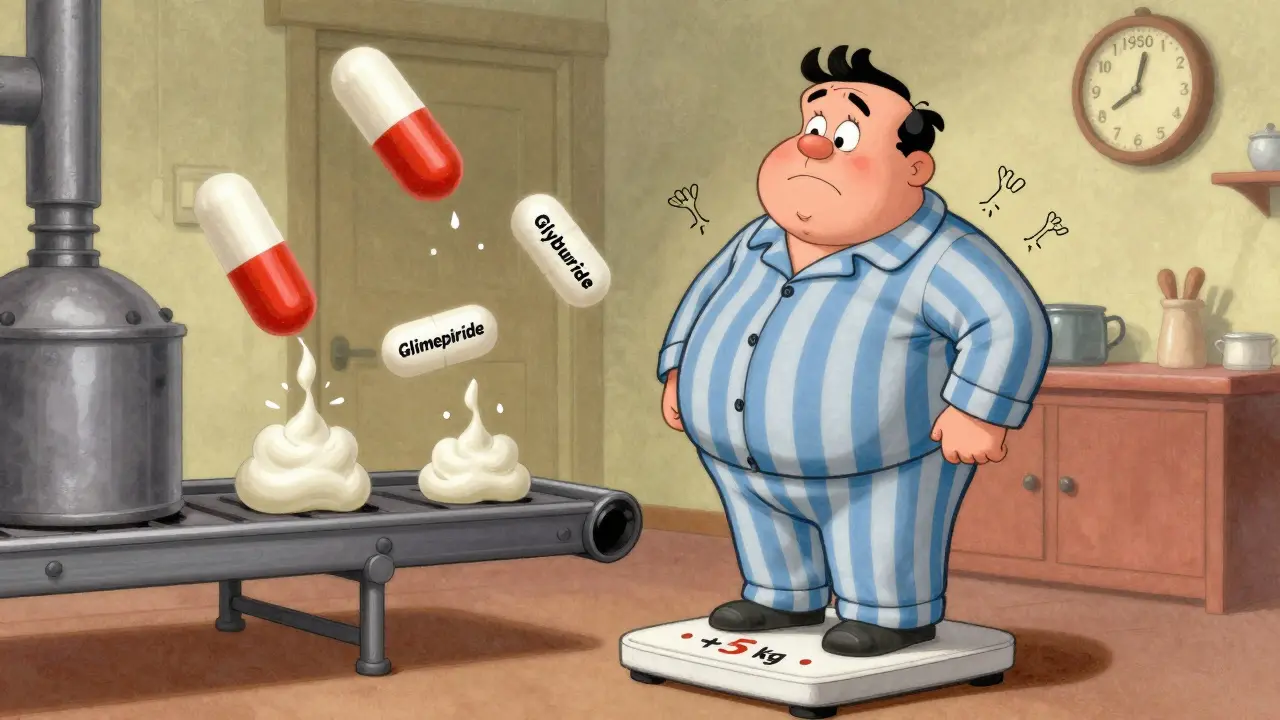
Sulfonylureas and Weight Gain: What You Need to Know Long-Term
Sulfonylureas lower blood sugar but often cause weight gain, making diabetes harder to manage long-term. Learn which drugs cause the most weight gain, how to reduce it, and how they compare to newer alternatives.
Medications Never to Put in Household Trash: A Safety List
Some medications are so dangerous they must be flushed down the toilet - not thrown in the trash. Learn exactly which drugs are on the FDA flush list and how to safely dispose of them to protect your family and community.
Aspirin-Exacerbated Respiratory Disease: What You Need to Know About Asthma and NSAID Sensitivity
Aspirin-Exacerbated Respiratory Disease (AERD) is a serious condition linking asthma, nasal polyps, and NSAID sensitivity. Learn how it works, why standard treatments fail, and how aspirin desensitization can change your life.
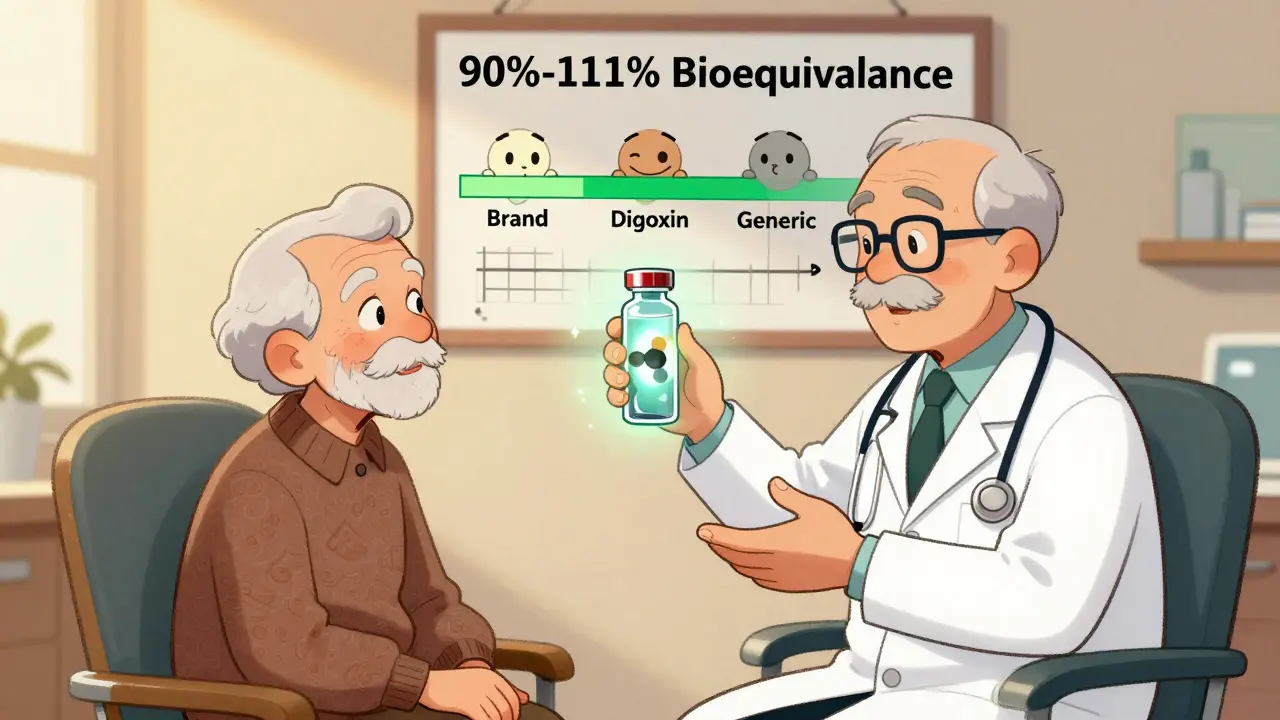
How to Talk to Patients About Switching to Generic NTI Drugs
When switching patients to generic NTI drugs like warfarin or levothyroxine, clear communication is critical. Learn what to say, when to monitor, and how to build trust to prevent dangerous outcomes.
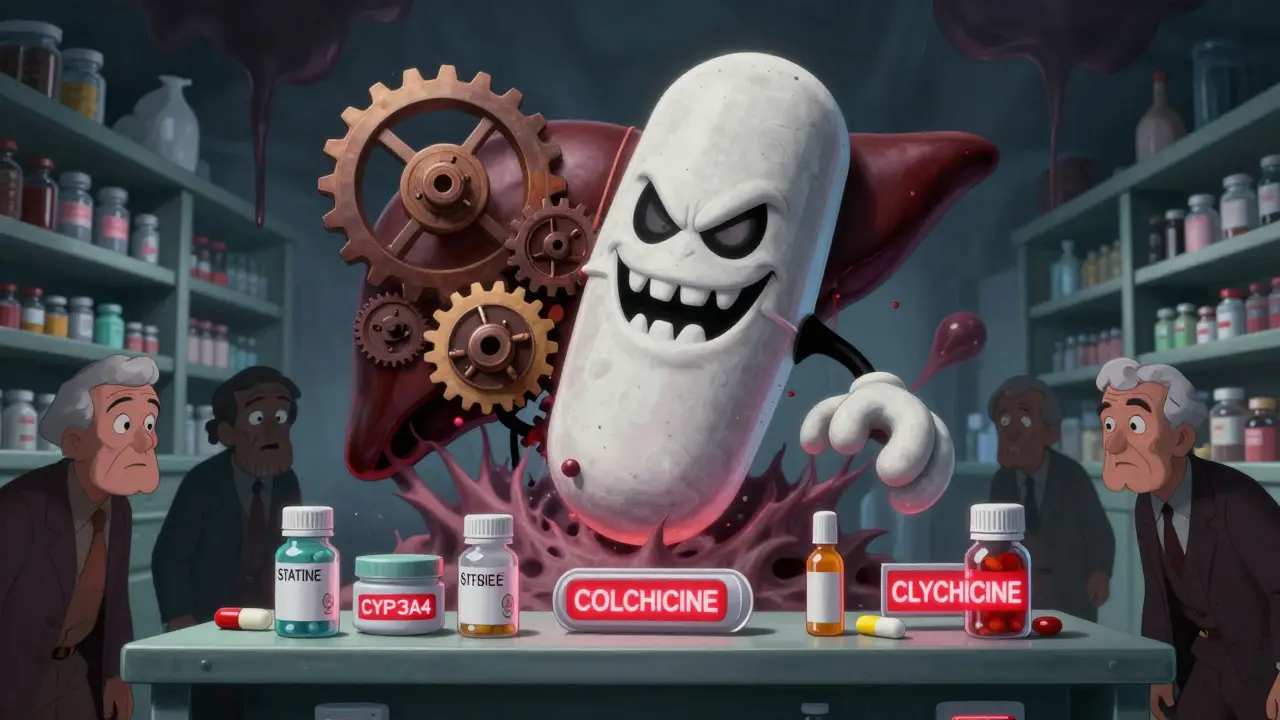
Clarithromycin Drug Interactions: Dangerous Combinations to Avoid
Clarithromycin can cause deadly drug interactions, especially with colchicine, statins, and heart medications. Learn which combinations to avoid and safer alternatives like azithromycin.
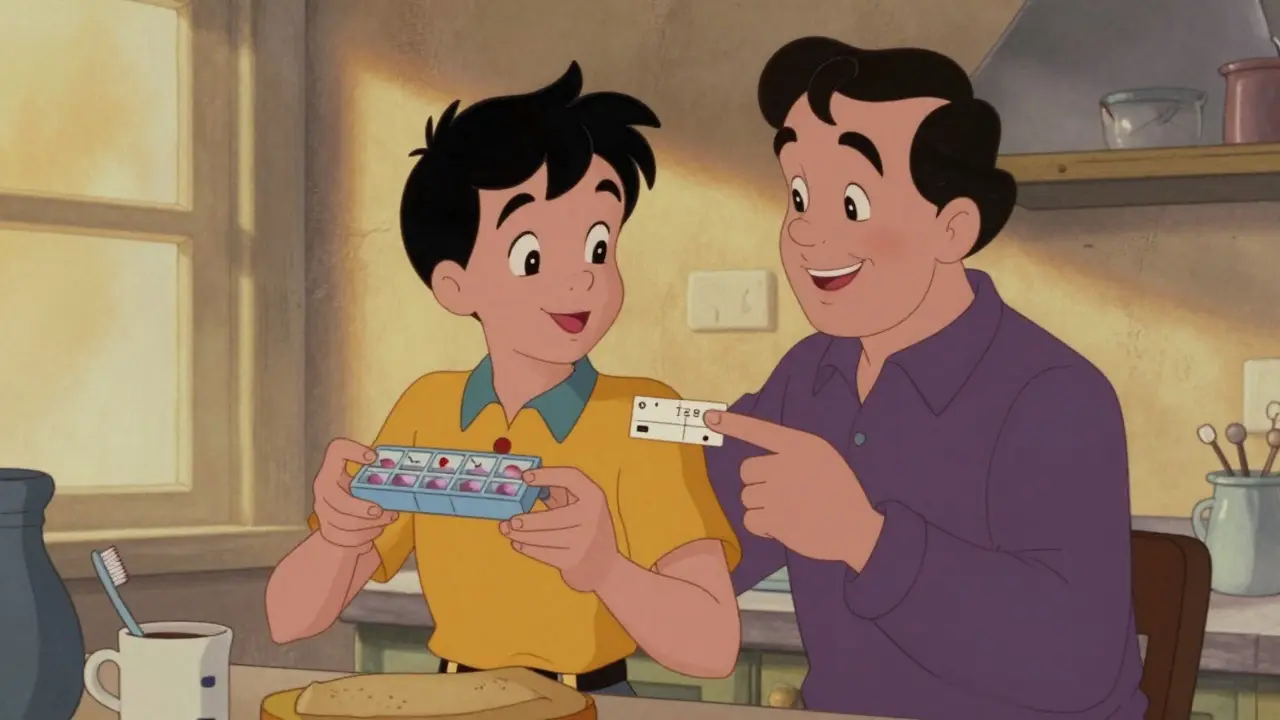
How to Teach Teens to Manage Their Own Prescription Medications
Teach teens to manage their own prescription meds with proven steps: start early, build routines, use trusted apps, explain risks, involve doctors, and supervise wisely. Reduce misuse and build lifelong health skills.
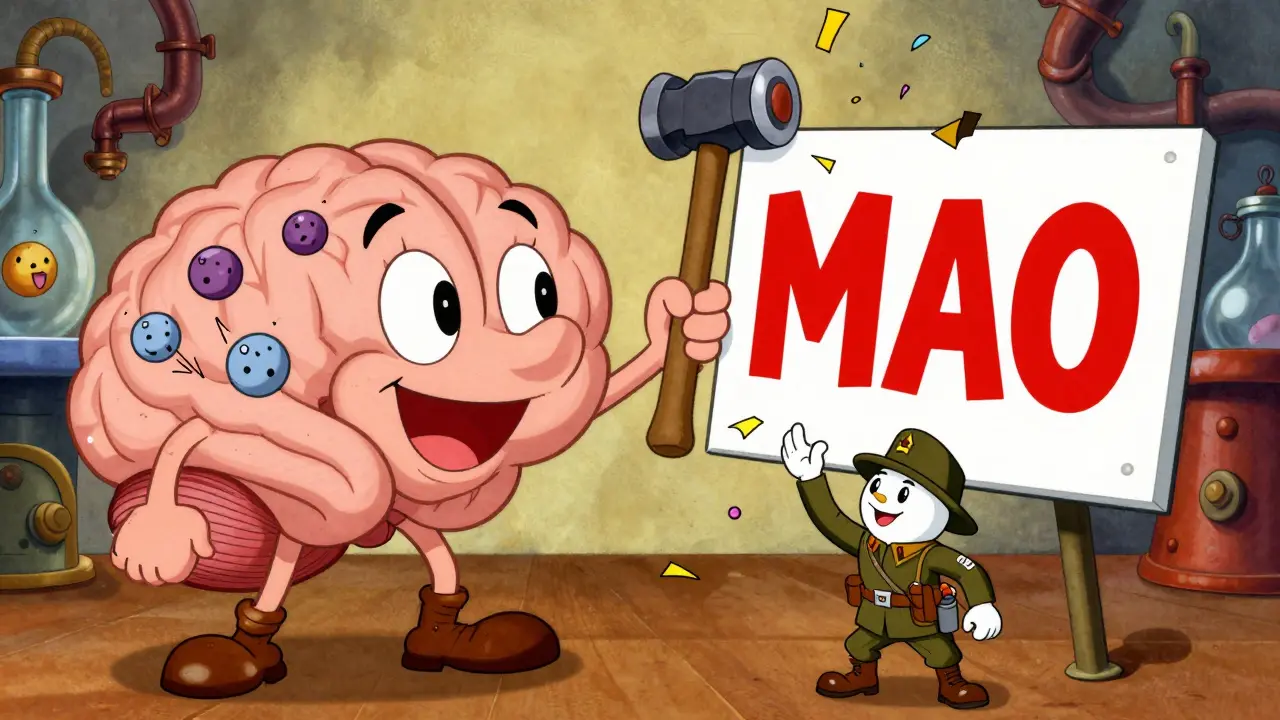
Linezolid and Serotonin Syndrome: What You Need to Know About Antidepressant Risks
Linezolid can interact with antidepressants and cause serotonin syndrome, but new evidence shows the risk is far lower than once thought. Learn what you really need to know.
Popular posts