Adverse Drug Reactions: What They Are, Why They Happen, and How to Stay Safe
When you take a medication, you expect it to help—not hurt. But adverse drug reactions, unintended and harmful responses to medications at normal doses. Also known as drug side effects, they range from mild rashes to life-threatening organ damage. These aren’t rare mistakes—they happen to millions every year, often because people don’t know what to watch for or how to ask the right questions.
Not all reactions are the same. Some are predictable, like fluid retention, a common side effect of certain blood pressure and diabetes drugs, which causes swelling and weight gain. Others are unpredictable, like severe allergic responses to antibiotics or seizures triggered by antidepressants. Drug interactions, when two or more medications clash in your body, are another major cause—like cranberry juice thinning your blood too much when you’re on warfarin, or sleep pills making seniors dizzy and prone to falls. These aren’t theoretical risks. They’re documented in real cases, and they show up in the FDA’s own reports.
What makes these reactions worse? Misunderstanding labels. Taking extra doses because you feel worse instead of better. Not telling your doctor about supplements you’re using. Assuming generics are unsafe—when in reality, the FDA bioequivalence standards, the strict rules that ensure generic drugs work the same as brand names, are rigorously enforced. Even then, if you’re on a narrow therapeutic index drug like warfarin or phenytoin, tiny changes in dosage can be dangerous. That’s why knowing your meds matters more than ever.
You don’t need to be a pharmacist to protect yourself. You just need to know what to look for: sudden swelling, unexplained fatigue, confusion, skin rashes, or unusual bleeding. If something feels off after starting a new pill, don’t wait. Check the label. Call your pharmacist. Bring your full list of meds to your next appointment. Many of these reactions are caught early—by patients who asked, "Could this be the medicine?"
The posts below cover exactly that: real stories, real risks, and real steps you can take. From spotting fake online pharmacies selling dangerous fentanyl-laced pills, to understanding why some drugs cause weight gain, to learning how to read your prescription label so you don’t miss hidden warnings—this collection gives you the tools to spot trouble before it hits. You’ll find what to do if you’re on a compounded medication for your child, how to avoid dangerous interactions with common foods, and why sleep pills for seniors can be more risky than insomnia itself. These aren’t theory pieces. They’re survival guides written for people who take meds every day—and want to stay safe while doing it.
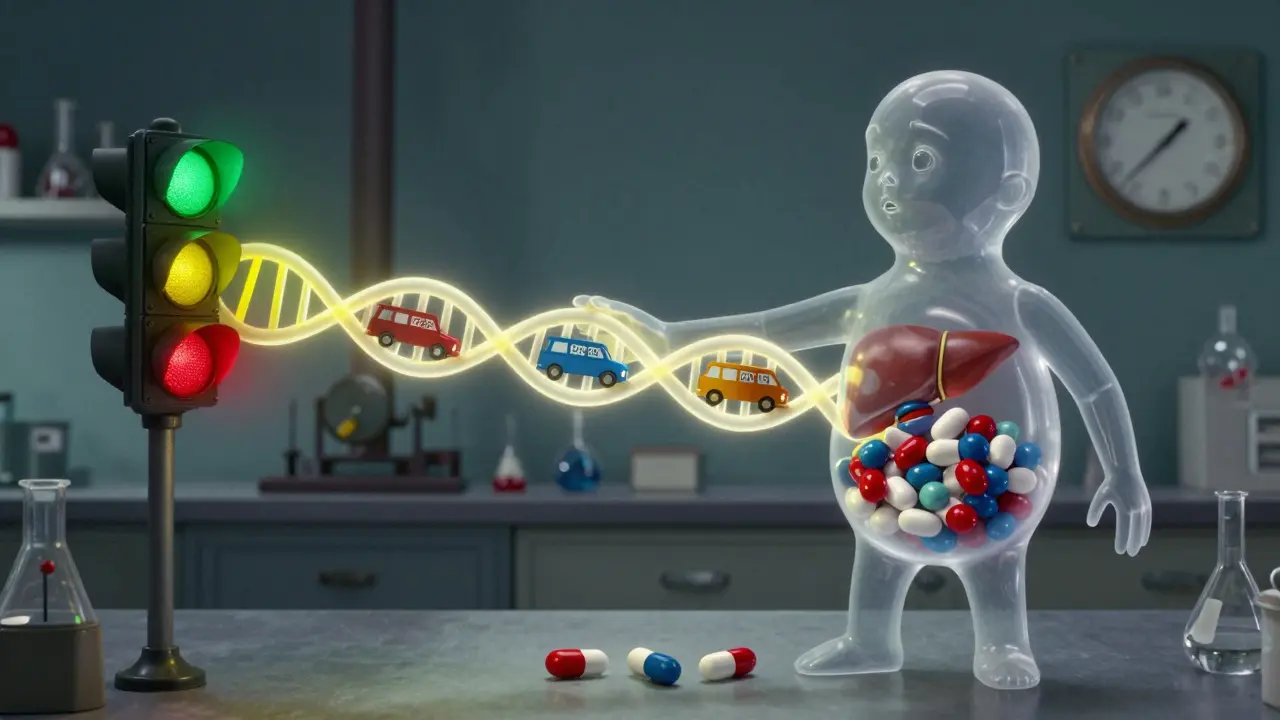
Why Medications Affect People Differently: The Real Science Behind Drug Side Effects
Medications affect people differently due to genetics, age, body type, and drug interactions. Learn why some people have severe side effects while others don’t - and what you can do to stay safe.
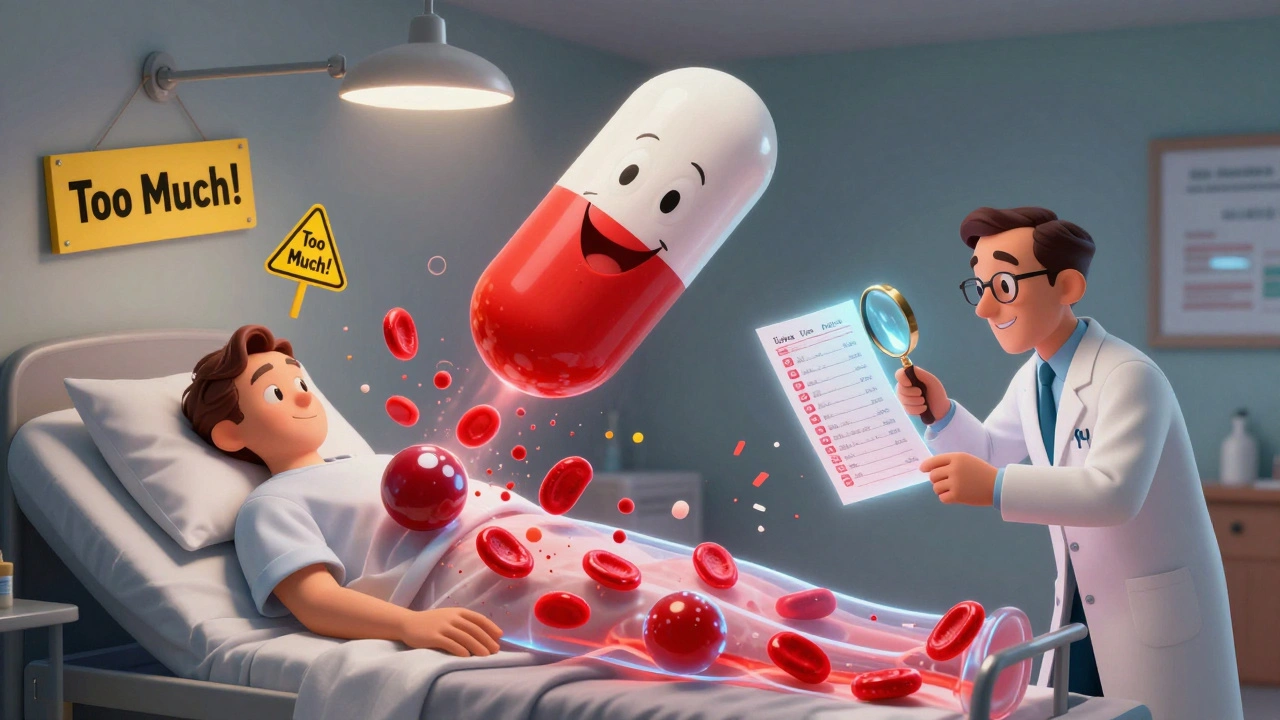
Dose-Related vs Non-Dose-Related Side Effects: What You Need to Know in Pharmacology
Learn the critical difference between dose-related and non-dose-related side effects in pharmacology. Understand why some reactions are predictable and others aren't-and how to protect yourself.
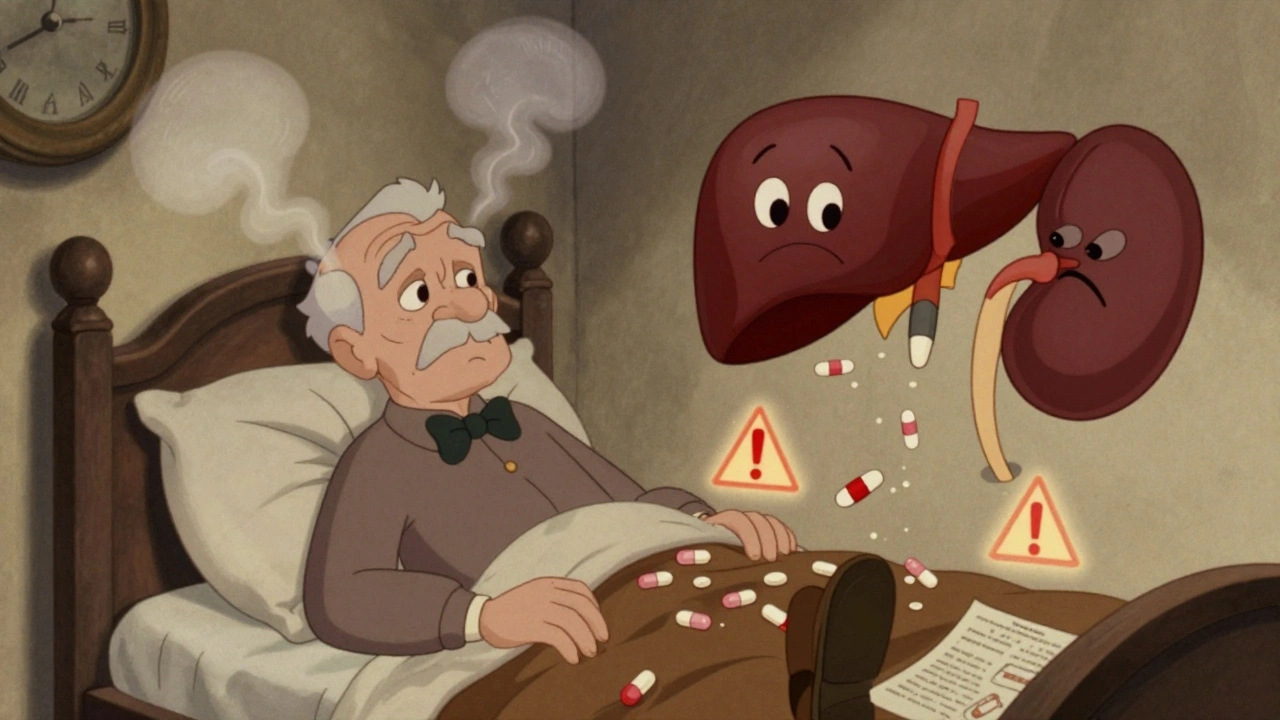
How Comorbidities Increase Drug Side Effects and What You Need to Know
Comorbidities like diabetes, heart disease, or kidney problems can turn normal medications into serious risks. Learn how existing conditions change drug safety, why polypharmacy is dangerous, and what you can do to protect yourself.
Popular posts