
Warfarin Dosing Calculator
Based on clinical data showing CYP2C9 and VKORC1 genes explain 30-50% of warfarin dose variation. This calculator estimates your adjusted dose using validated factors.
Estimated Daily Dose
Enter your details to see results
Based on clinical guidelines
Important: This tool provides educational estimates only. Warfarin dosing requires professional medical supervision. Always consult your doctor before adjusting medication.
Key Factors Explained
CYP2C9 poor metabolizers (5-10% of white population) may need 30-50% lower doses. VKORC1 variants explain 20-30% of dose variation. Combined effects can require 20-40% dose adjustments.
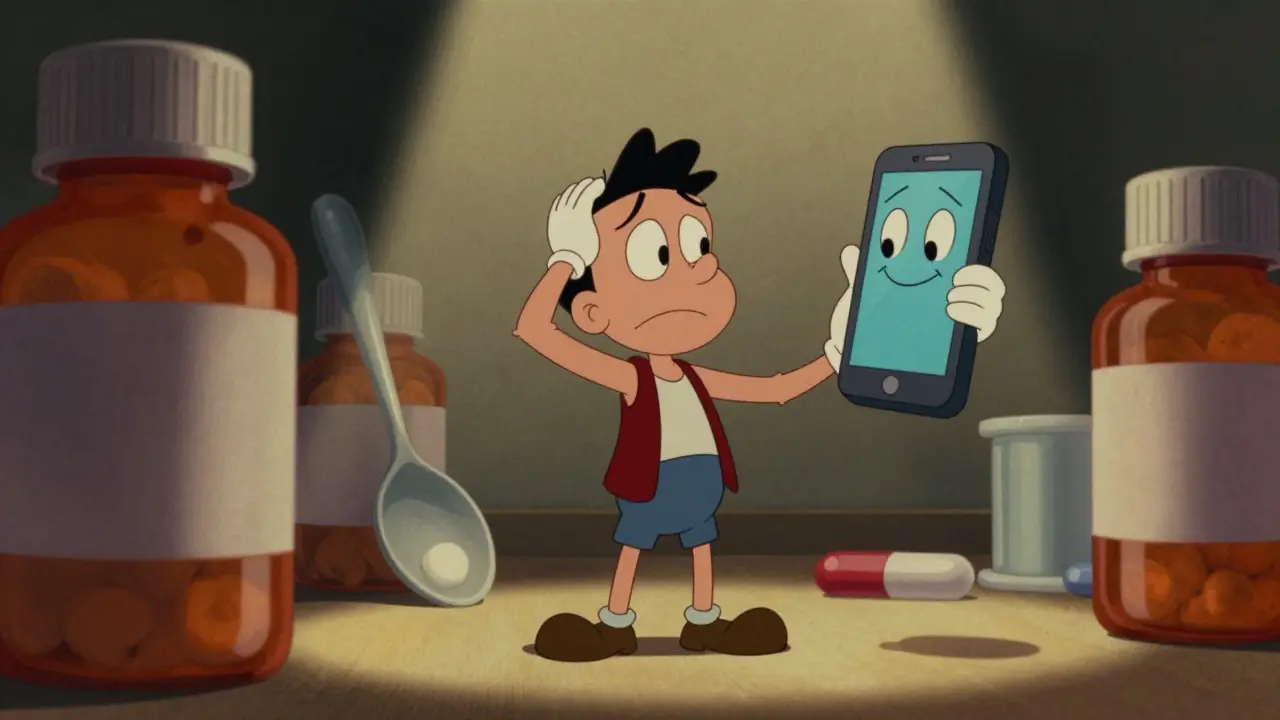
Ever taken a pill that worked wonders for your friend but made you feel awful? You’re not alone. Medications don’t treat everyone the same. One person might take a common painkiller and feel fine, while another ends up in the ER with stomach bleeding. Why? It’s not about being ‘sensitive’ or ‘strong.’ It’s biology - and it’s more complex than most doctors even realize.
Genes Are the Hidden Switches
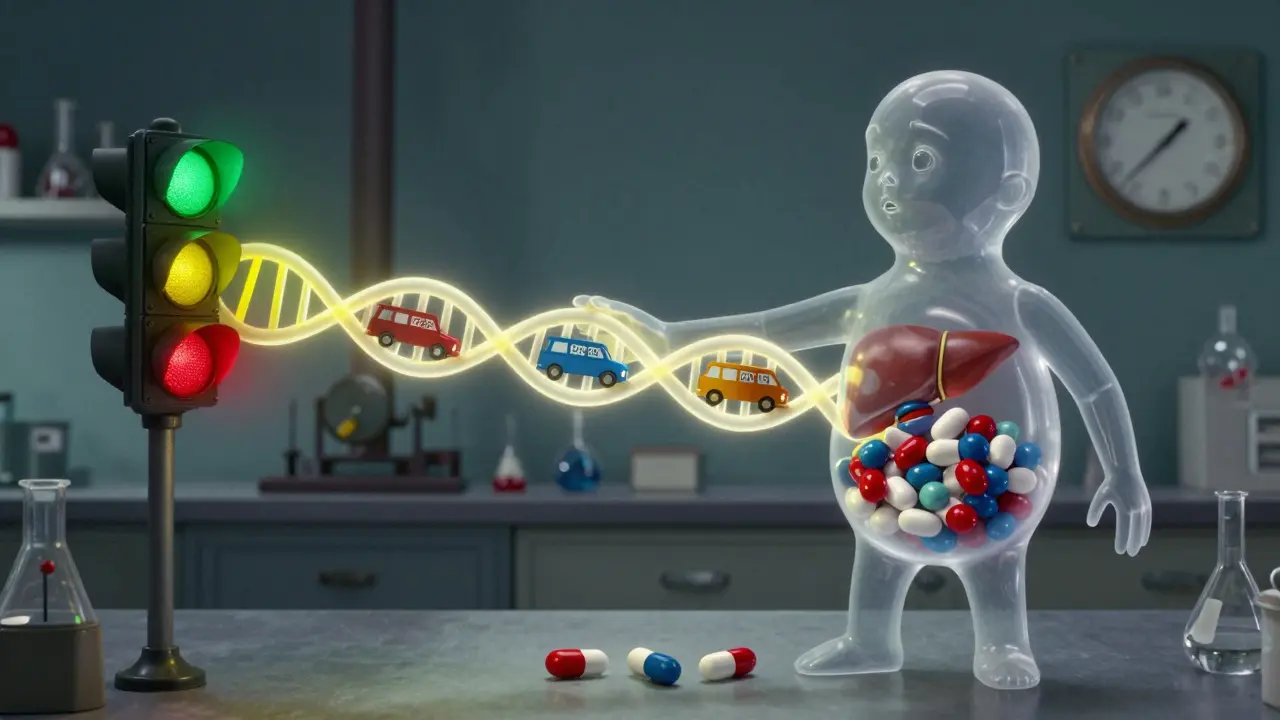
Your genes control how your body handles drugs. Think of them like traffic lights for medication. Some people have genes that make those lights turn green too fast - their bodies break down drugs too quickly, so the medicine never works. Others have red lights that never change - drugs pile up in their system, causing toxic side effects. The biggest players are enzymes called cytochrome P450, especially CYP2D6, CYP2C9, and CYP2C19. These enzymes are responsible for processing about 80% of common medications. About 15% of all serious side effects come from just these genes acting up. For example, 5 to 10% of white people are ‘poor metabolizers’ of CYP2D6. That means common antidepressants like fluoxetine or beta-blockers like metoprolol can build up to dangerous levels. On the flip side, up to 29% of people in Ethiopia are ‘ultra-rapid metabolizers’ - they clear drugs so fast, a normal dose might as well be water. Take warfarin, a blood thinner. Two people can take the same dose, but one bleeds internally while the other develops a clot. Why? Because of two genes: CYP2C9 and VKORC1. Together, they explain 30 to 50% of why warfarin doses vary so wildly. In trials, patients who got their dose based on genetic testing reached safe levels 27% faster and had 31% fewer dangerous bleeds.Age, Body Type, and Other Hidden Factors
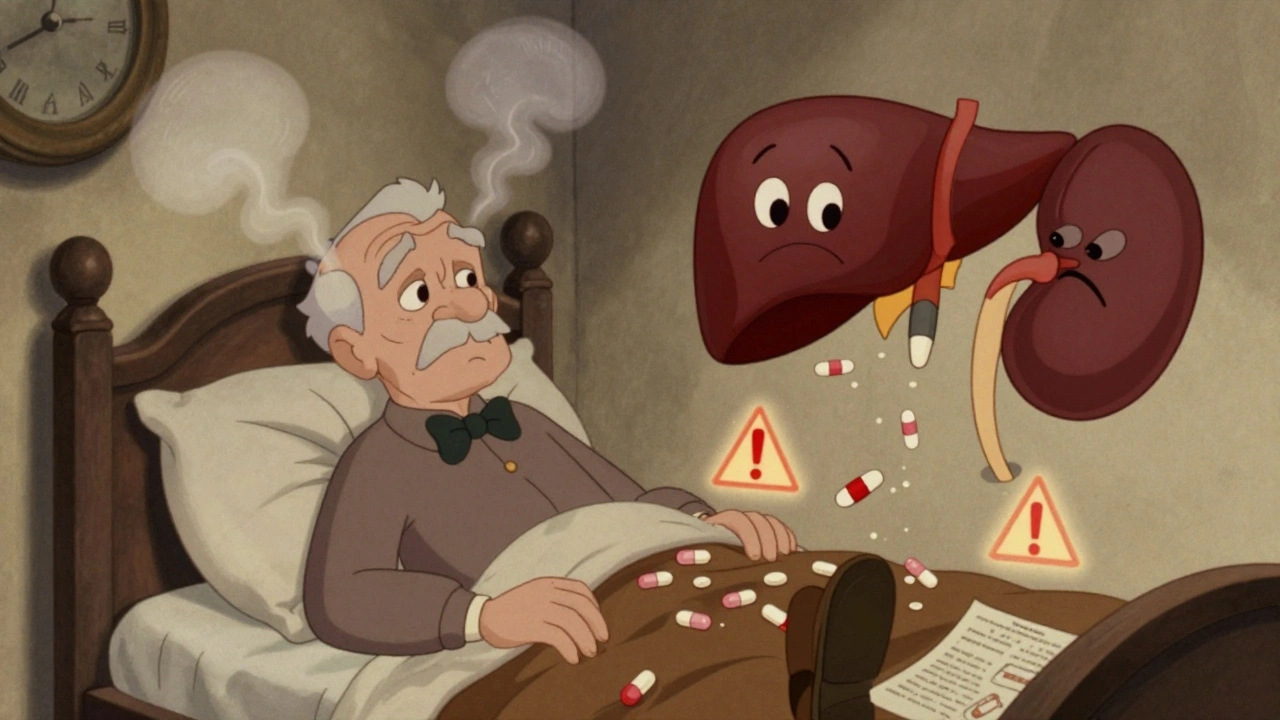
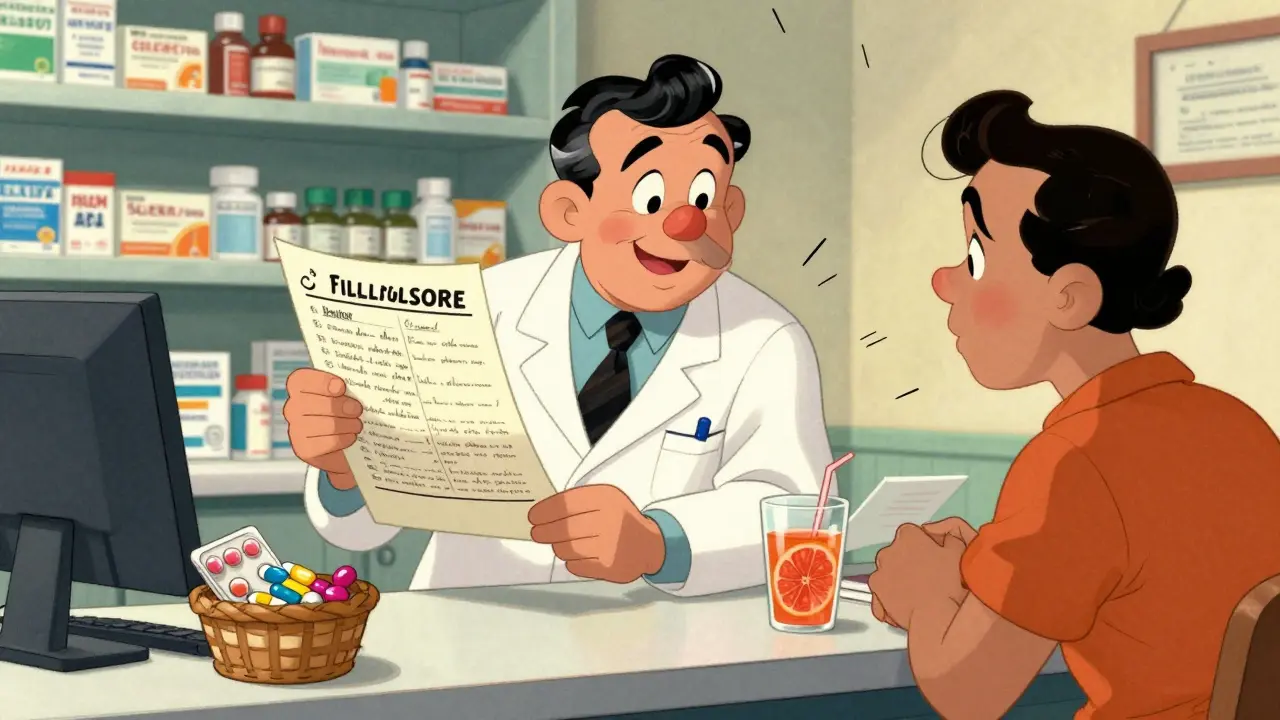
Genes aren’t the whole story. Your body changes as you age. Older adults naturally carry more fat and less muscle. That means fat-soluble drugs - like some sleep aids or anti-anxiety meds - get stored in fat tissue and slowly leak back into the bloodstream. A 70-year-old might need half the dose of a 30-year-old just because of body composition. Inflammation from infections, arthritis, or even chronic stress can slow down those same liver enzymes by 20 to 50%. So a drug that was fine last week might suddenly become dangerous if you catch a cold. And if you’re taking five or more medications - common in older adults - things get messy. Drug interactions aren’t just about two pills clashing. They’re about how each one affects your enzymes, your kidneys, your liver, and your genes - all at once. Elderly patients on five or more drugs are three times more likely to have a bad reaction than younger people. Even your diet matters. Grapefruit juice can shut down CYP3A4, one of the main enzymes that breaks down statins, blood pressure meds, and even some cancer drugs. One glass can turn a safe dose into a toxic one. And don’t forget supplements. St. John’s Wort, often taken for mood, can make birth control, HIV meds, and transplant drugs useless by speeding up their breakdown.
When ‘One-Size-Fits-All’ Kills
The system we use today was built for efficiency, not precision. Doctors prescribe based on average weight, age, and symptoms - not your DNA. But that average doesn’t exist for everyone. A 2015 study found that 3.6% of European hospital admissions were caused by side effects. In the U.S., adverse drug reactions are the fourth leading cause of death. Take clopidogrel, a drug used after heart attacks to prevent clots. About 2 to 15% of people have a genetic variant that makes their body unable to activate it. For them, the drug is useless. But they’re still prescribed it - and then have another heart attack because their doctor didn’t know. NSAIDs like ibuprofen cause stomach ulcers in 1 to 2% of users. But if you have certain gene variants and are also on steroids? That risk jumps to 15 to 30%. That’s not bad luck - that’s preventable. And then there’s asthma. About 15% of severe asthma patients have a genetic variant that makes leukotriene modifiers - expensive monthly pills like zafirlukast - work like magic. For them, lung function improves by 45%. But if you don’t have that variant? You’re spending $250 to $300 a month for zero benefit. That’s not just wasted money - it’s wasted time and health.Pharmacogenomics Is Here - But No One’s Using It
There’s a solution: pharmacogenomics. It’s the science of using your genes to pick the right drug and dose. The FDA has included genetic info on over 300 drug labels. For 44 of them, they’ve even given specific dosing rules based on genetics. In pediatric cancer, St. Jude Children’s Research Hospital cut severe side effects from mercaptopurine - a leukemia drug - from 25% to 12% just by testing kids’ genes before starting treatment. Yet less than 10% of doctors use this data regularly. Why? Because it’s not built into the system. Most don’t know how to read the reports. Insurance often won’t pay for the tests. Hospitals don’t have the software to flag risky combinations in real time. A 2023 survey found 68% of physicians feel unprepared to use genetic data. The cost of testing has dropped from $2,000 in 2015 to around $250 today. Medicare started covering 17 high-risk genetic tests in January 2024. The market is exploding - projected to hit $24 billion by 2029. But progress is slow.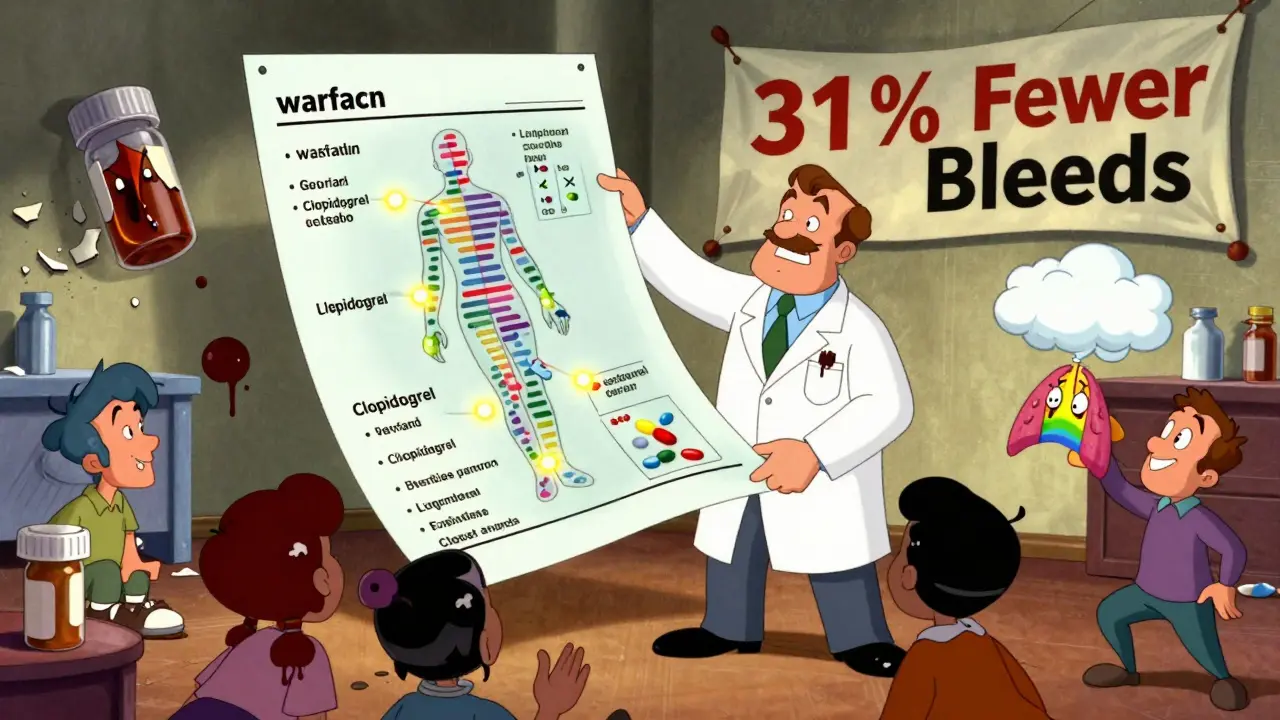
What You Can Do Right Now
You don’t need a lab test to start protecting yourself. Here’s how:- Know your meds. Keep a written list of everything you take - including supplements. Bring it to every appointment.
- Ask about interactions. If you’re starting a new drug, ask: ‘Could this interact with anything I’m already taking?’
- Watch for red flags. If a drug makes you feel worse after a few days - especially nausea, dizziness, bruising, or unusual fatigue - tell your doctor immediately. Don’t wait.
- Ask about genetic testing. If you’ve had a bad reaction to a drug before, or if you’re on multiple medications, ask your doctor if pharmacogenomic testing could help. It’s not magic, but it’s the closest thing we have to personalized medicine today.
The Future Is Personal - But Not Perfect
The next big leap isn’t single-gene tests. It’s polygenic risk scores - combining hundreds of genetic markers to predict how you’ll respond to a drug. Early studies show these can predict drug response 40 to 60% better than single-gene tests. But equity is a problem. Most genetic data comes from people of European descent. We don’t yet know how well these tests work for Black, Indigenous, or Asian populations. That’s a gap that could cost lives. The goal isn’t to eliminate all side effects. It’s to eliminate the ones we can predict - and prevent. Right now, we’re treating people like they’re all the same. But your body isn’t a factory line. It’s a unique machine. And it deserves a prescription built for it.Why do some people have side effects from drugs that others don’t?
It’s mostly due to genetic differences in how your body processes drugs - especially enzymes like CYP2D6 and CYP2C9. Age, body fat, other medications, and even inflammation can change how a drug works. Two people taking the same pill can have completely different outcomes because their biology is different.
Can genetic testing prevent bad drug reactions?
Yes - for certain drugs. Testing for genes like CYP2C9 and VKORC1 before starting warfarin reduces dangerous bleeding by 31%. Testing for CYP2C19 before giving clopidogrel can prevent heart attacks in people who won’t respond to the drug. But testing doesn’t cover everything - only about 15 to 19% of side effects are tied to known gene-drug links.
Are over-the-counter drugs safer than prescription ones?
No. NSAIDs like ibuprofen cause more hospitalizations than many prescription drugs. They can cause stomach bleeding, kidney damage, and high blood pressure - especially in people with certain genes or who take other meds. Just because you can buy them without a prescription doesn’t mean they’re risk-free.
Is pharmacogenomic testing covered by insurance?
In the U.S., Medicare now covers 17 high-risk genetic tests for drugs like warfarin, clopidogrel, and certain antidepressants as of January 2024. Private insurers vary - only about 18% offer full coverage. Many still see it as experimental, even though it’s backed by FDA guidelines and major medical centers.
Should I get genetic testing before taking any new medication?
Not for every drug - but if you’ve had a bad reaction before, if you’re on five or more medications, or if you’re being treated for heart disease, depression, or cancer, it’s worth asking. The test costs under $250 and can prevent hospitalization. It’s not a magic bullet, but it’s one of the most practical tools we have to avoid preventable harm.



Luke Davidson
Man I never realized how much my genes were playing puppet master with my meds
Took fluoxetine for a year and felt like a zombie, then switched to sertraline and suddenly I was human again
My doc just shrugged and said 'everyone reacts differently' like that was an answer
Turns out I'm a CYP2D6 poor metabolizer-no wonder that SSRI was flooding my system
Wish they'd tested me before I wasted two years feeling like I was underwater
Josh McEvoy
bro i took ibuprofen once and my stomach felt like it was being stabbed by a rusty spoon 😭
turns out i’m one of those lucky ones with the gene that turns normal doses into internal warfare
now i just take tylenol and pray
also grapefruit juice is a trap lmao 🍊💣
Heather McCubbin
Everyone acts like this is some new revelation but it’s been obvious for decades
Doctors treat people like widgets on an assembly line
They don’t care about your biology they care about their 15 minute appointments and their quotas
And don’t get me started on how Big Pharma pushes the same pills on everyone because it’s cheaper than learning who actually needs what
It’s not science it’s capitalism with a stethoscope
Shanta Blank
Let me guess-someone’s gonna say 'just get tested' like it’s that simple
Have you seen the price of insurance premiums lately?
And don’t even mention how most genetic data is based on white people so if you’re not European your results might as well be a horoscope
Meanwhile my grandma’s on six meds and her doctor still doesn’t know why she’s passing out at 3am
It’s not a science problem-it’s a system that refuses to change
Tiffany Wagner
I started keeping a drug journal after my reaction to metoprolol
Wrote down every pill, every symptom, every time I felt off
Turned out my anxiety wasn’t anxiety-it was drug buildup
Took me two years to figure it out but now I bring my list to every appointment
It’s not glamorous but it saved my life
Maybe more people should try it
Chloe Hadland
My aunt took warfarin for years and never bled out
Then one day she ate a grapefruit and ended up in ICU
They didn’t even tell her it was dangerous
Now she’s on a different blood thinner and she’s fine
Why isn’t this common knowledge? Why do we still treat meds like candy?
Amelia Williams
Just got my pharmacogenomic test back after my doc finally agreed to order it
Turns out I’m an ultra-rapid metabolizer for CYP2C19-no wonder my antidepressants never worked
They doubled my dose and nothing happened
Now they switched me to something that doesn’t rely on that enzyme and I’m actually sleeping again
It took five years and three failed meds but this test was worth every penny
If you’ve been struggling with meds and no one knows why-ask for this
It’s not magic but it’s the closest thing we’ve got to a cheat code for your body
Viola Li
So we’re supposed to trust genetic testing when the data is mostly from white populations?
And you think this fixes systemic bias?
What about the Black patients who get the same dose as white patients and die because the algorithm didn’t account for their genetics?
This isn’t progress-it’s just new tech plastered over old racism
Fix the system first, then the tests