
When you’re facing a cancer diagnosis, the immediate focus is on survival. But for many people, especially those in their 20s, 30s, or early 40s, there’s another question quietly lingering: Will I still be able to have children after treatment? Chemotherapy doesn’t just target cancer cells-it can also damage the ovaries or testes, sometimes permanently. The good news? There are proven ways to protect your fertility before treatment starts. And time matters more than you think.
Why Fertility Preservation Matters
Not all chemotherapy is created equal when it comes to fertility. According to the American Society of Clinical Oncology (ASCO), about 80% of common chemotherapy regimens-like those used for breast cancer, lymphoma, or leukemia-carry a high risk of damaging reproductive cells. Alkylating agents, in particular, are especially harsh. Studies show that 30% to 80% of premenopausal women who receive these drugs develop premature ovarian insufficiency, meaning their ovaries stop working years or even decades earlier than normal. For men, chemotherapy can reduce sperm count, motility, or even wipe out sperm production entirely. The damage can be temporary or permanent, and there’s no reliable way to predict who will recover. That’s why acting before treatment begins isn’t optional-it’s essential.The Six Main Options
There are six medically accepted methods to preserve fertility before chemotherapy. Each has its own timeline, success rates, and requirements.- Embryo cryopreservation - This is the most established option. Eggs are retrieved after 10-14 days of hormone stimulation, fertilized with sperm (from a partner or donor), and frozen as embryos. Success rates are high: women under 35 have a 50-60% chance of a live birth per embryo transfer. But it requires sperm, which can be a barrier for single women or those without a partner.
- Oocyte cryopreservation - Also called egg freezing. The process is nearly identical to embryo freezing, but the eggs are frozen unfertilized. Vitrification (ultra-rapid freezing) now gives over 90% survival rates. The pregnancy success rate is about 4-6% per frozen egg, meaning most women need to freeze 15-20 eggs for a good chance of having a child later. It’s ideal for single women, those not ready to use donor sperm, or those who don’t want to create embryos.
- Ovarian tissue cryopreservation - This is the only option for girls who haven’t gone through puberty or for women who can’t delay chemo for hormone stimulation. A small piece of ovarian tissue is removed laparoscopically, frozen, and later reimplanted. Success rates are 65-75% for restoring ovarian function. Over 200 live births have been reported globally, and it’s now considered standard care for pediatric patients by the Children’s Oncology Group. It’s still labeled experimental by the FDA, but it’s widely used and supported by major cancer centers.
- Ovarian suppression with GnRHa - Monthly injections of drugs like goserelin (Zoladex) are given before and during chemo to temporarily shut down ovarian function. It doesn’t protect eggs directly but may reduce damage by putting the ovaries in a resting state. Studies show it lowers the risk of premature ovarian failure by 15-20%. It’s not a standalone solution, but it’s often used alongside egg or embryo freezing. Side effects like hot flashes, night sweats, and vaginal dryness can be severe-31% of women stop the treatment because of them.
- Sperm banking - The simplest and most reliable option for men. Two to three days of abstinence are required, then sperm is collected and frozen. Post-thaw motility rates average 40-60%. One sample is often enough, but banking multiple samples increases options later. It’s quick, non-invasive, and highly effective.
- Radiation shielding - If you’re getting radiation to the pelvis or abdomen, custom lead shields can block up to 90% of radiation from reaching the testes. It doesn’t help with chemo damage, but it’s a critical addition for men receiving pelvic radiation.
Timing Is Everything
The biggest hurdle isn’t cost or access-it’s time. Cancer treatment often starts within days or weeks. For women, egg retrieval takes 10-14 days from the start of hormone shots. But here’s the catch: you can’t wait. A 2020 study found that even a 21-day delay in starting fertility preservation led to regret in 68% of women under 35. For men, sperm banking can be done in under 72 hours. For women with urgent cancers like leukemia, there might be only 48-72 hours before chemo begins. That’s why specialists now use “random-start” protocols. Instead of waiting for your period to begin, stimulation can start at any point in your cycle. This cuts the median wait time from 14 days to just 11.3 days. If you’re diagnosed, ask your oncologist for a referral to a reproductive specialist immediately.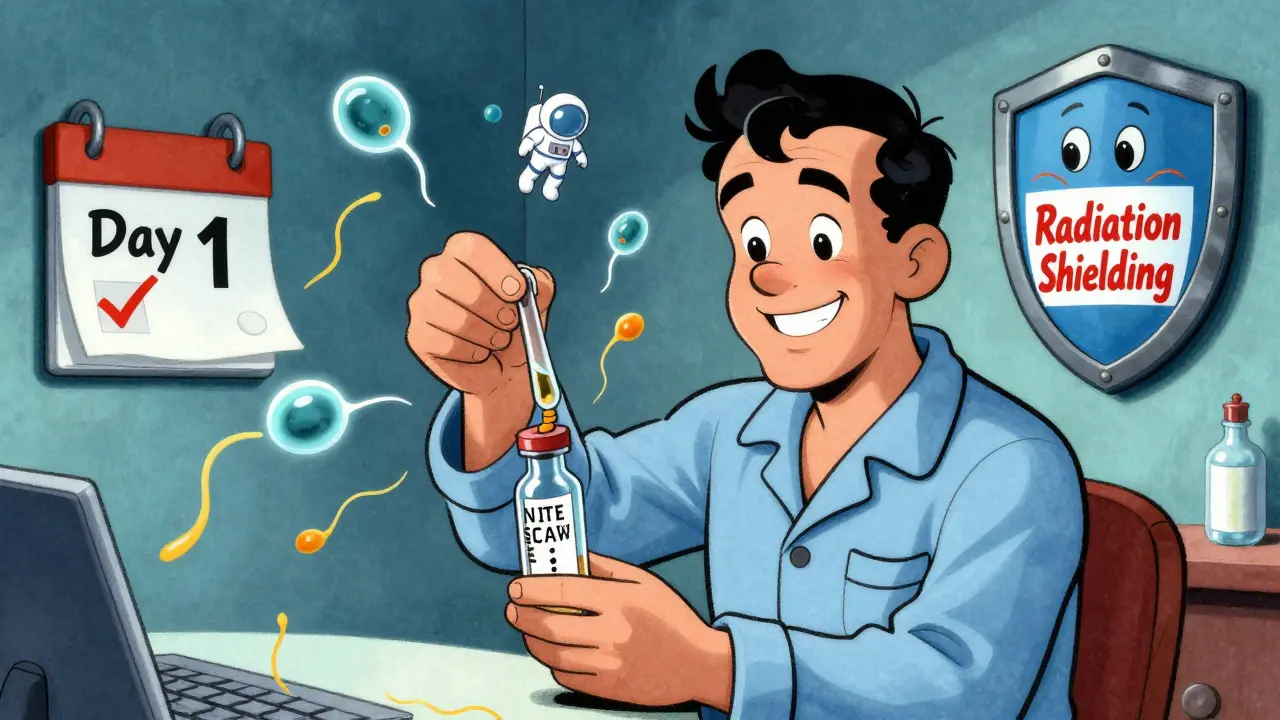
Who Can’t Wait? Who Can?
Some cancers demand immediate treatment. In acute leukemias or aggressive lymphomas, delaying chemo by two weeks can raise relapse risk by 5-10%. The European Society of Human Reproduction and Embryology says: Never delay cancer treatment for fertility preservation. In these cases, ovarian tissue freezing or sperm banking are the only realistic options. For slower-growing cancers like early-stage breast cancer, you often have more flexibility. Many women use this time to freeze eggs or embryos. Even if you’re unsure about having children later, freezing your options gives you control. For prepubertal children, ovarian tissue freezing is the only option. Testicular tissue freezing is still experimental-no live births have been reported yet. But research is advancing fast.Cost, Insurance, and Access
Fertility preservation isn’t cheap. Egg freezing can cost $10,000-$15,000 per cycle. Sperm banking is much cheaper-around $500-$1,000. Storage fees add $500-$1,000 per year. Insurance coverage varies wildly. Twenty-four U.S. states now require insurers to cover fertility preservation for cancer patients. But Medicaid covers it in only 12 states. A 2023 Reddit thread from r/infertility found that 42% of women were denied coverage for egg freezing. Rural patients face an average 178-mile drive to a fertility clinic-compared to 22 miles for urban patients. If you’re in a rural area, ask your oncology team about telehealth consultations or travel assistance programs.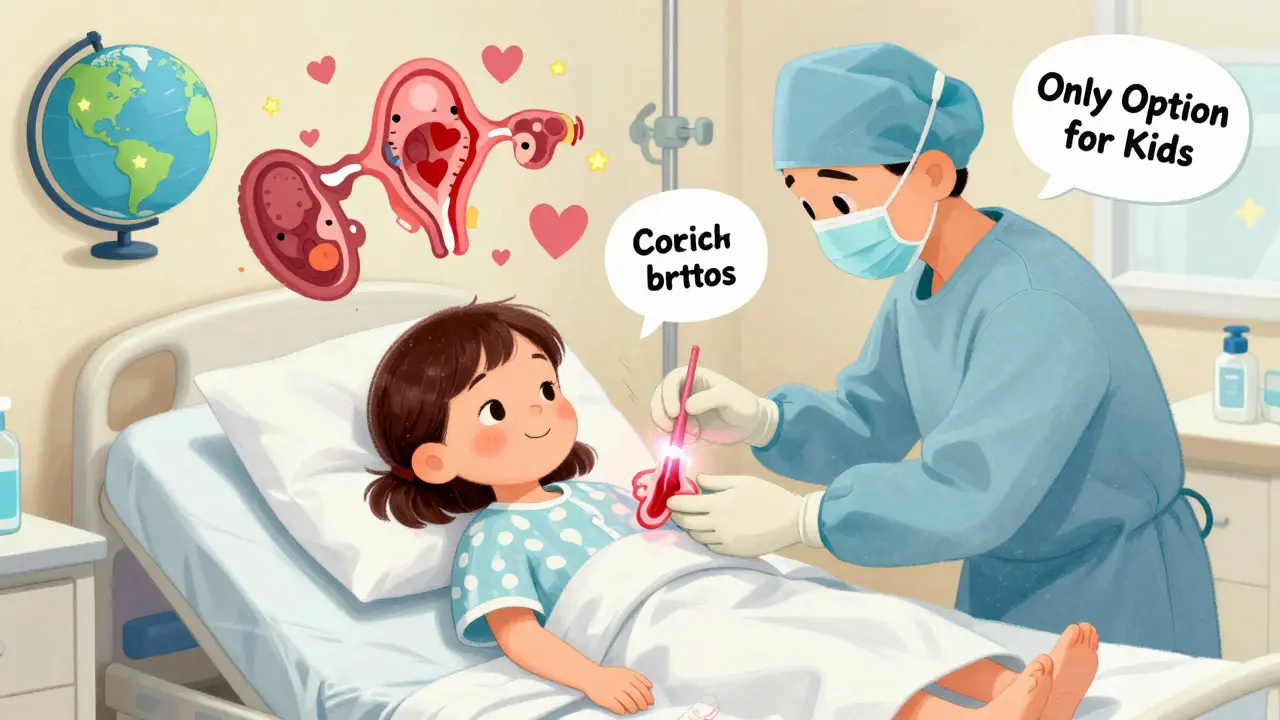
What Happens After Treatment?
If you froze embryos or eggs, you can use them years later. Pregnancy rates are similar to those of women who froze their eggs before cancer. A 2021 case report told the story of a 32-year-old BRCA1+ patient who gave birth to twins after ovarian tissue was transplanted five years after chemotherapy ended. That’s not rare anymore-it’s becoming more common. For men, sperm can be used for IUI or IVF. For women, thawed embryos or eggs are fertilized and transferred. Ovarian tissue transplants can restore natural fertility. Some women even get pregnant naturally after transplantation.What’s New in 2026?
The field is moving fast. In 2023, the FDA approved the first closed-system vitrification device (VitKit Pro), cutting contamination risks by 92%. Researchers in Europe successfully activated follicles in frozen ovarian tissue in the lab-meaning future patients might not need surgery to reimplant tissue at all. A major NIH trial is testing artificial ovaries made from lab-grown follicles. Preliminary results in primates show 68% survival rates. ASCO’s 2024 guidelines (expected June) will likely strengthen support for GnRHa use, citing a 22.3% drop in ovarian failure from a recent meta-analysis.What Should You Do?
If you’ve just been diagnosed with cancer and you’re concerned about future fertility:- Ask your oncologist for a referral to a reproductive endocrinologist within 24 hours.
- Don’t assume you’re too young or too old-fertility preservation works for anyone who hasn’t gone through menopause or lost sperm production.
- If you’re male: bank sperm. It’s fast, cheap, and effective.
- If you’re female and have time: consider egg or embryo freezing.
- If you’re female and can’t wait: ask about ovarian tissue freezing.
- If you’re getting pelvic radiation: ask about shielding.
- Don’t feel guilty for wanting to preserve fertility. It’s not about having kids tomorrow-it’s about keeping your future options open.
Fertility isn’t a luxury. It’s part of survivorship care. And it’s never too early to ask.
Can I still preserve fertility if I’m already in chemotherapy?
Once chemotherapy has started, options are very limited. Egg and embryo freezing require hormone stimulation, which can interfere with cancer treatment. Sperm banking is still possible if you haven’t yet received gonadotoxic drugs. Ovarian tissue freezing may be an option if you’re still in the early phase of treatment, but it’s not guaranteed. The key is to act before treatment begins.
Does egg freezing guarantee I’ll have a baby later?
No. Egg freezing increases your chances, but it doesn’t guarantee success. Each frozen egg has about a 4-6% chance of leading to a live birth. Most women need to freeze 15-20 eggs to have a reasonable chance. Success depends on your age at freezing, how many eggs survive thawing, and whether you can achieve a successful pregnancy later. It’s a tool to improve odds-not a promise.
Is fertility preservation covered by insurance?
In 24 U.S. states, insurance is required to cover fertility preservation for cancer patients. But coverage varies. Some plans cover only sperm banking, others cover egg freezing, and many still exclude it. Medicaid covers it in only 12 states. Always check your plan’s policy and ask your provider to submit a pre-authorization request. If denied, appeal-it’s common for initial denials to be overturned with medical documentation.
Can I freeze my eggs if I’m single or don’t have a partner?
Yes. Egg freezing (oocyte cryopreservation) doesn’t require sperm. It’s specifically designed for single women, those not ready to use donor sperm, or those who want to preserve their own genetic material. The process is identical to embryo freezing-except the eggs are frozen unfertilized. This option gives you flexibility for future partners or donor sperm use.
What if I’m a child or teenager?
For girls who haven’t gone through puberty, ovarian tissue cryopreservation is the only proven option. For boys, testicular tissue freezing is still experimental and not yet used clinically to produce children. However, it’s being actively researched. If your child is diagnosed with cancer, ask the oncology team about enrolling in a fertility preservation research program. Many children’s hospitals now offer this as part of standard care.
How long can frozen eggs or embryos last?
There’s no known expiration date. Frozen embryos and eggs have been successfully used after 10, 15, and even 20+ years of storage. The freezing process (vitrification) halts biological aging. As long as the storage conditions are maintained, they remain viable. Many women choose to use their frozen eggs years after cancer treatment, sometimes in their late 30s or early 40s.
Does GnRHa (like Zoladex) protect fertility on its own?
Not fully. GnRHa reduces the risk of premature ovarian failure by 15-20%, but it doesn’t protect eggs the way freezing does. It’s used as a supplement to egg or embryo freezing-not as a replacement. Some women use it alone, especially if they can’t delay treatment or afford freezing. But studies show it’s far less effective than cryopreservation. Think of it as a protective layer, not a shield.
Can I still get pregnant naturally after chemotherapy?
Yes, some women do. But it’s unpredictable. Chemotherapy can cause temporary or permanent infertility. Even if you get your period back, your ovarian reserve may be severely reduced. If you’re hoping to conceive naturally, track your cycles and consult a fertility specialist. Don’t assume you’re fertile just because you’re menstruating. Testing your ovarian reserve (AMH, FSH) after treatment can help guide your next steps.


Richard Harris
Just had my chemo last year and wish I'd known about this sooner. Sperm banking was so easy-did it in like 2 hours before my first session. No big deal, really. Still got my kid last month. Don't wait. Just do it.
Kandace Bennett
OMG YES this is LIFE-CHANGING info 💖 I'm so glad America is finally waking up to this 🇺🇸✨ I had egg freezing done at Mayo Clinic and it was literally the most empowering thing I've ever done. If you're not doing this, you're basically gambling with your future. Like, why would you not? 💯
Tim Schulz
Oh sweet Jesus, another one of those 'just freeze your eggs' miracle posts. 🙄 Let me guess-you're a 32-year-old with stage 1 breast cancer and a 401(k) that can cover $15K in freezing? Congrats. Meanwhile, my cousin in rural Alabama had to drive 5 hours to find a clinic that didn't laugh at her insurance. This isn't empowerment. It's a luxury ad disguised as medical advice.
Jinesh Jain
Interesting read. In India, access to these options is still very limited outside major cities. Many patients don't even know fertility preservation is possible. I wonder how many are losing options simply because they're not told in time. Maybe we need more outreach programs.
douglas martinez
Thank you for sharing this comprehensive overview. The clinical accuracy is commendable, and the emphasis on early referral is critical. As a healthcare provider, I urge all oncology teams to integrate reproductive health discussions into initial patient consultations. This is not ancillary care-it is core to survivorship.
Shruti Chaturvedi
For anyone who feels guilty about wanting kids after cancer you're not alone I remember crying in the fertility clinic because I thought I was being selfish but then the nurse said you're not just preserving a baby you're preserving a future and that changed everything
Katherine Rodriguez
Why is everyone so obsessed with having kids after chemo I mean really like do we need to turn cancer into a fertility PSA now I'm all for options but this feels like corporate wellness nonsense dressed up as compassion
Devin Ersoy
So we're telling women to freeze their eggs like they're ordering a latte at Starbucks? 🤡 Meanwhile, the FDA still calls ovarian tissue freezing 'experimental' while Big Pharma is cashing in on $15K cycles. This isn't science-it's a capitalist circus with a side of pink ribbons. And don't get me started on how they market 'future options' to grieving teens. It's manipulation with a PhD.
Scott Smith
My sister did ovarian tissue freezing at 14 after being diagnosed with Ewing's sarcoma. Five years later, they reimplanted it and she got pregnant naturally. No IVF. No donor sperm. Just biology doing its thing. It's not sci-fi anymore. It's real. And it's happening to people right now.