
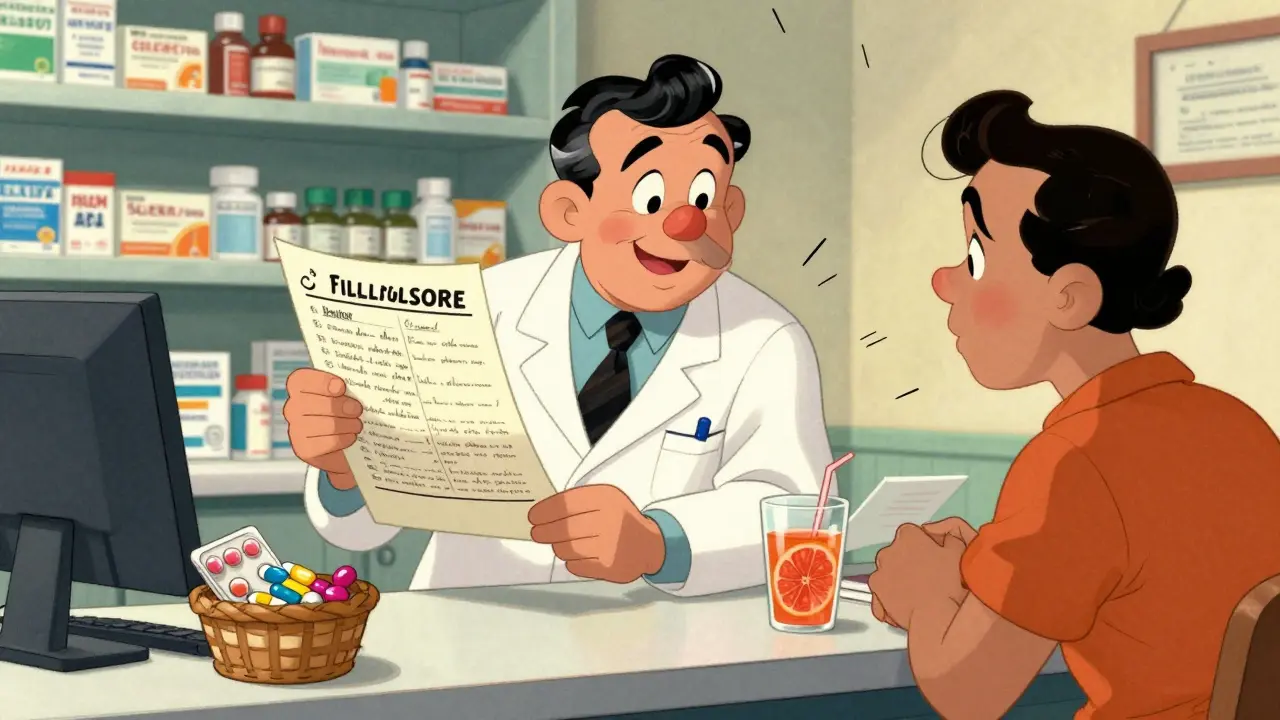
Every year, over 1.3 million people in the U.S. end up in the emergency room because of harmful drug interactions. Many of these cases are preventable - and the person who can help you avoid them is often the one standing behind the pharmacy counter: your pharmacist. You don’t need to be a medical expert to ask the right questions. You just need to know what to ask.
What medications are you really taking?
Before you even ask about interactions, make sure your pharmacist has the full picture. That means listing every pill, patch, injection, or supplement you take - not just the ones your doctor prescribed. Over-the-counter painkillers, sleep aids, antacids, herbal teas, and even vitamin D gummies can interact with your prescriptions. A 2022 survey found that 77% of American adults take at least one dietary supplement. Many of these aren’t tracked in electronic medical records, so the pharmacist won’t know unless you tell them.Bring a written list. Include the name, dose, and how often you take each item. Don’t say, “I take my blood pressure pill every day.” Say, “I take lisinopril 10 mg once a day in the morning.” Details matter. A 2023 study showed that pharmacist-led medication reviews reduced dangerous interactions by nearly 24% in Medicare patients - but only when patients brought complete, accurate lists.
Can this new medication interact with anything I’m already taking?
This is the most direct question you can ask. Don’t assume your doctor already checked everything. Doctors often focus on whether a drug treats your condition - not whether it clashes with your other meds. Pharmacists are trained to spot hidden conflicts. For example, if you’re on warfarin (a blood thinner), even a small change in vitamin K intake - like eating more kale or spinach - can make your blood too thick or too thin. Or if you’re taking statins for cholesterol, grapefruit juice can spike drug levels in your blood to dangerous levels.Ask specifically about your top three medications. Say: “I’m on metformin for diabetes, lisinopril for blood pressure, and atorvastatin for cholesterol. Will this new antibiotic affect any of them?” Pharmacists use tools that scan for interactions based on exact drug names, doses, and your health history. They’ll catch things your doctor might miss.
Should I avoid certain foods, drinks, or supplements?
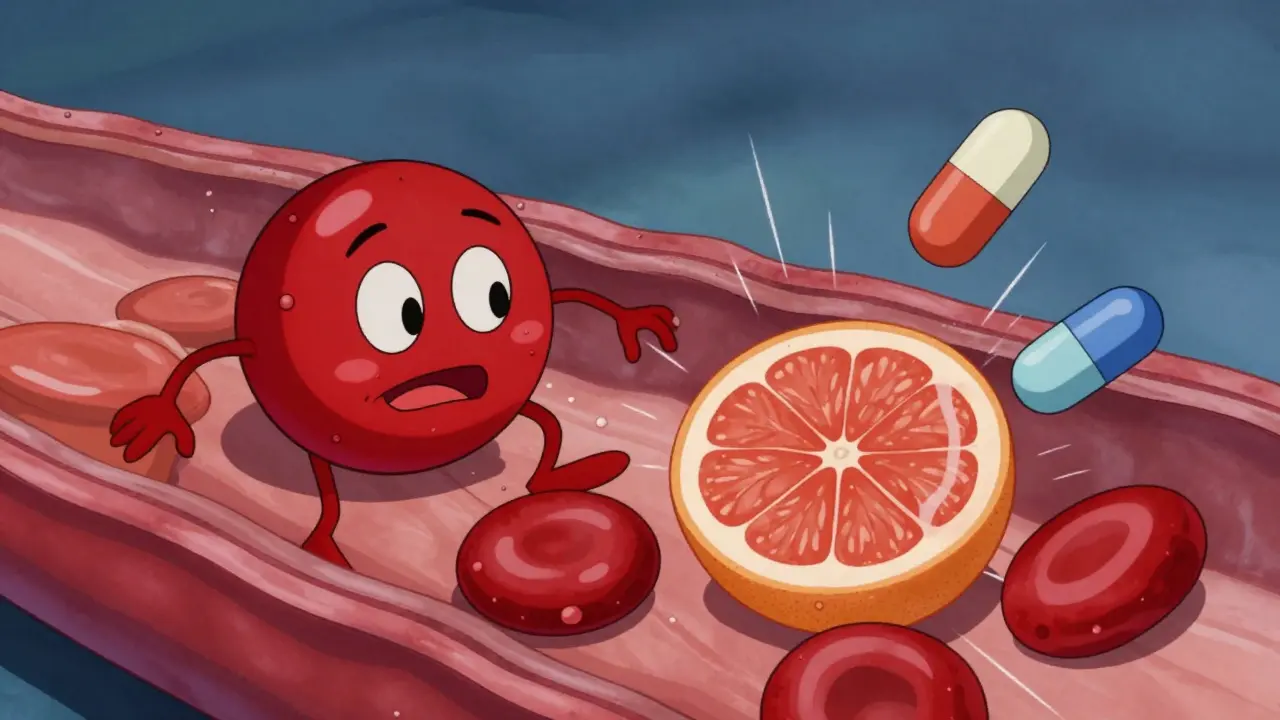
Food and drink aren’t just background noise - they’re active players in how drugs work. Grapefruit juice is the most well-known offender. It can interfere with over 85 medications, including some statins, blood pressure drugs, and anti-anxiety pills. Even one glass can cause problems that last for days.If you’re on an MAO inhibitor like phenelzine for depression, you must avoid aged cheeses, cured meats, soy sauce, and tap beer. These contain tyramine, which can cause a sudden, life-threatening spike in blood pressure. Alcohol is another silent risk. It can boost the sedative effects of painkillers, sleep aids, and antidepressants - increasing dizziness, falls, and breathing risks.
And don’t forget supplements. St. John’s wort, a popular herb for mood support, can knock out the effectiveness of birth control pills, antidepressants, and even some cancer drugs. Calcium supplements can block absorption of thyroid medication if taken at the same time. Always ask: “Is this supplement safe with my current meds?”
Will this drug make my existing condition worse?
Some medications are fine for healthy people but dangerous if you have certain health issues. For example, decongestants like pseudoephedrine (found in many cold meds) can raise your blood pressure. If you have hypertension, taking one could trigger a stroke or heart attack. Antihistamines like diphenhydramine (Benadryl) can cause confusion and urinary retention in older adults. Even common pain relievers like ibuprofen can harm your kidneys if you already have kidney disease.Ask your pharmacist: “I have [your condition]. Is this drug safe for me?” Don’t assume a drug is okay just because it’s sold over the counter. The same pill that helps one person could hurt another.
When and how should I take this medication?
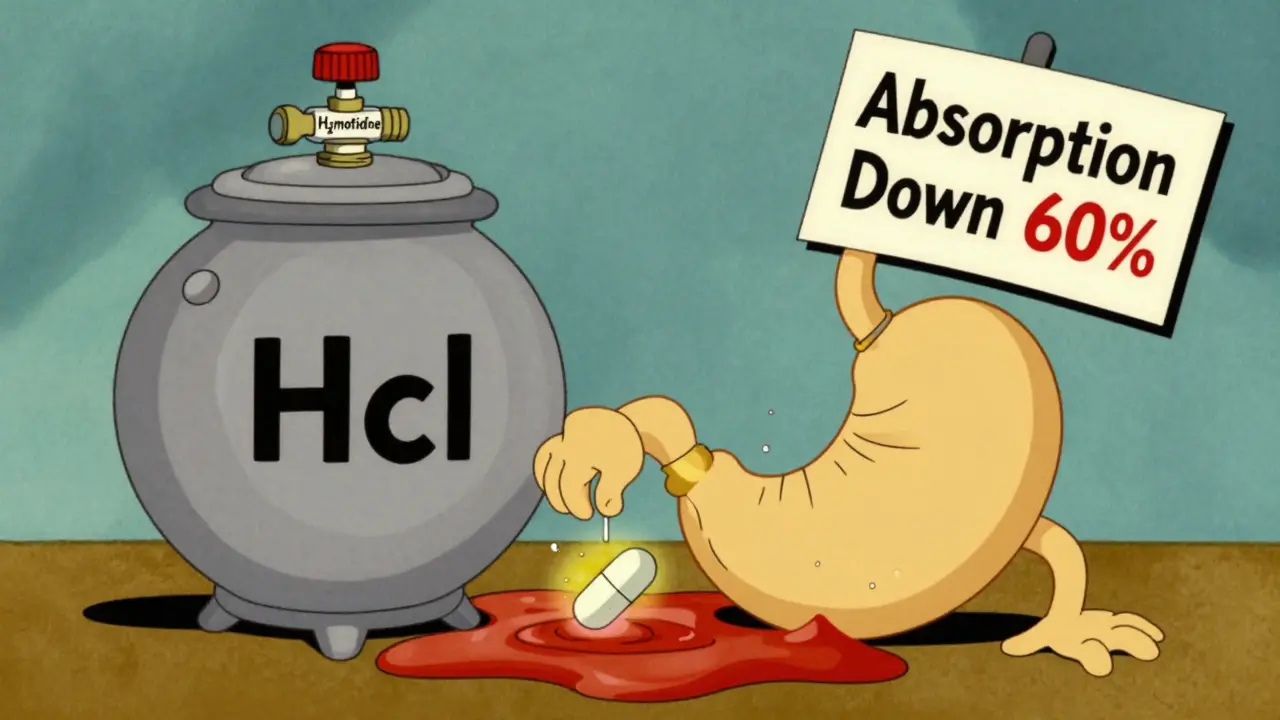
Timing isn’t just about remembering to take your pill - it’s about avoiding interactions before they happen. Some drugs need to be taken on an empty stomach. Others work better with food. If you take your thyroid medicine with coffee or calcium-fortified orange juice, it won’t absorb properly. If you take your antibiotic with dairy, it might not work at all.Ask: “Should I take this with food or on an empty stomach?” and “How long should I wait between this pill and my other meds?” For example, if you take iron supplements and a calcium tablet, you should space them at least four hours apart. Pharmacists can map out a simple daily schedule that avoids conflicts and maximizes effectiveness.
What side effects should I watch for?
Not all interactions cause obvious symptoms right away. Some build up slowly. You might feel more tired than usual, notice unusual bruising, get dizzy when standing up, or have an irregular heartbeat. These could be signs of a hidden interaction.Ask your pharmacist: “What’s the first thing I should look out for that might mean something’s wrong?” For example, if you’re on a blood thinner and start bleeding more easily - even from minor cuts - that’s a red flag. If you’re on a diabetes drug and suddenly feel unusually shaky or sweaty, your blood sugar might be dropping too low because of a new interaction.
Write down these warning signs. Keep them on your phone or in your wallet. If you notice them, call your pharmacist immediately. They can tell you whether to stop the drug, adjust the dose, or rush to urgent care.
Can this medication affect my other health goals?
Maybe you’re trying to lose weight, lower your cholesterol, or get off a medication. Some drugs can sabotage those goals. For instance, certain antidepressants cause weight gain. Beta-blockers can make exercise feel harder. Steroids can raise blood sugar, making diabetes harder to control.Ask: “Will this drug make it harder for me to reach my health goals?” If you’re trying to eat better, will this drug affect your appetite? If you’re exercising more, will it make you feel more fatigued? Pharmacists can help you balance treatment with lifestyle changes - and suggest alternatives if needed.
When should I come back for a review?
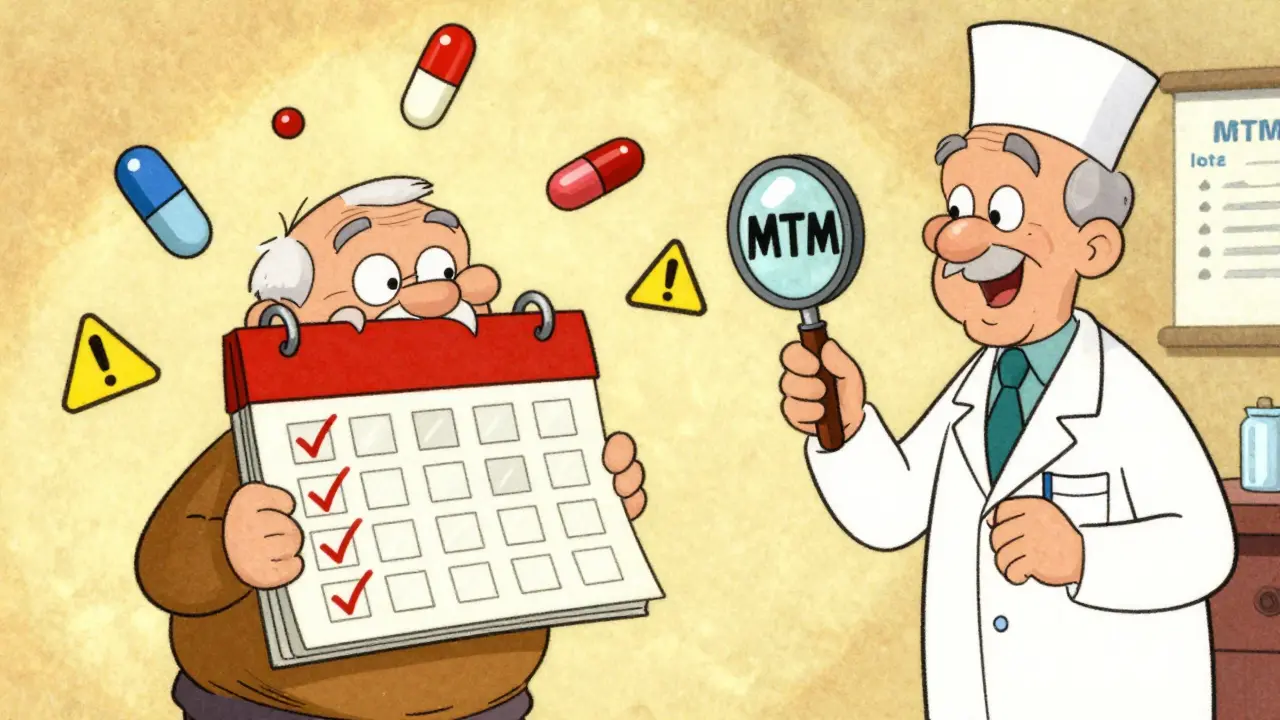
Medication needs change over time. You might start a new drug, stop one, or your health condition might shift. The most common interaction problem? The newest medication added to your list. That’s why pharmacists recommend a full medication review every three to six months - or whenever something changes.Ask: “Should I schedule a check-in in a few months?” Many pharmacies offer free medication therapy management (MTM) services. These are one-on-one sessions where the pharmacist walks through everything you take, checks for risks, and updates your list. It takes 20 minutes. It could save your life.
Can you help me understand how this drug works in my body?
Knowing the basics helps you spot problems. For example, if you understand that your blood pressure pill works by relaxing your arteries, you’ll know why drinking grapefruit juice (which blocks how your body breaks it down) is risky. If you know your diabetes drug helps your body use insulin better, you’ll understand why skipping meals could cause low blood sugar.Ask: “How does this drug work?” or “What part of my body does it affect?” You don’t need a medical degree. A simple explanation - like “This drug helps your liver clear out bad cholesterol” - gives you power. It turns you from a passive recipient of pills into an active participant in your care.
Is there a simpler or safer option?
Sometimes, there’s a better alternative. Maybe a different brand, a lower dose, or a drug that doesn’t interact with your supplements. Pharmacists often know about generic alternatives or newer medications with fewer interaction risks. They can also check if you’re taking two drugs that do the same thing - a common problem in older adults.Ask: “Is there another option that might be safer with what I’m already taking?” Don’t be afraid to suggest alternatives. Pharmacists are trained to advocate for safer, simpler regimens.
What if I forget to tell my pharmacist about a supplement I’m taking?
It happens - and it’s not your fault. Many people don’t think of supplements as “medications.” But the truth is, they can be just as risky. If you realize you missed something, call your pharmacist right away. Most will update your file over the phone. Don’t wait until your next appointment. Even a small herb like garlic or ginkgo can thin your blood and interfere with surgery or anticoagulants.
Can my pharmacist check for interactions between my prescriptions and my OTC meds?
Yes - and they should. Pharmacists are required to review all medications you bring in, including over-the-counter drugs. That’s why it’s important to bring everything: pain relievers, antacids, sleep aids, cold pills, and even topical creams. Some creams contain NSAIDs like ibuprofen, which can interact with oral blood thinners. Your pharmacist has access to the same drug interaction databases hospitals use.
Do I need to ask about interactions every time I get a new prescription?
Always. Even if you’ve taken the same drugs for years, a new one can change everything. A 2022 study found that over half of dangerous interactions happened after a new drug was added - not because of old ones. Your body changes. Your health changes. Your meds change. So should your conversation with your pharmacist.
What if my pharmacist says there’s no interaction - can I trust that?
Yes, but ask for clarity. Say: “Can you explain why there’s no interaction?” or “Is this based on my full list of meds?” Pharmacists use real-time databases that cross-reference your specific drugs, doses, and health conditions. If they say it’s safe, they’ve checked it. But if you’re still worried, ask for written information or request a second opinion from another pharmacist.
Are drug interactions more dangerous for older adults?
Yes. People over 65 are more likely to take five or more medications daily. Their bodies process drugs differently - slower metabolism, less kidney function, and more sensitivity to side effects. The CDC reports that older adults account for nearly half of all emergency visits due to drug interactions. That’s why medication reviews are especially critical for this group. Don’t assume “I’ve always taken this” means it’s still safe.
Drug interactions don’t always cause a dramatic emergency. Sometimes, they just make you feel a little off - tired, foggy, or out of sorts. But that’s often the first warning sign. You’re not being paranoid by asking questions. You’re being smart. Your pharmacist isn’t there just to hand out pills. They’re your last line of defense against hidden risks. Take five minutes before your next refill and ask the questions above. It could mean the difference between feeling okay - and feeling worse.
Jenci Spradlin
i legit forgot i was takin ginkgo biloba till i read this. my pharmacist called me out last week and i was like ‘wait that’s a drug??’ lol. now i bring a list every time. dumb ass move but hey, i’m alive.
Micheal Murdoch
It’s wild how we treat pharmacists like order-takers instead of the clinical experts they are. They’ve got more time with you than your doctor, more training on interactions than most residents, and zero incentive to push pills. Yet we walk in with a bag of random supplements and expect them to guess what we’re taking. I’ve seen people on warfarin eat spinach salads like it’s nothing. No one told them. No one asked. That’s not negligence-it’s systemic failure. And the worst part? It’s avoidable. Just talk to the person behind the counter. They’re not there to sell you Advil. They’re there to keep you from dying.
Drew Pearlman
Man, I used to think my pharmacist was just there to hand me my pills and say ‘have a nice day.’ But after my dad had that near-miss with his blood pressure med and that herbal tea he swore was ‘all natural,’ I started asking questions. Turns out, he was taking ashwagandha with his beta-blocker-and it was making his heart rate drop dangerously low. My pharmacist didn’t judge. She just pulled up her screen, showed us the interaction, and gave us a printed handout. Now I bring my whole medicine cabinet every visit. It’s not weird. It’s wise. And honestly? It’s kinda nice to have someone who actually cares whether you live or not.
Chris Kauwe
Let’s be real-this isn’t about ‘asking questions.’ It’s about cultural decay. We’ve outsourced responsibility to ‘experts’ while refusing to educate ourselves. The real problem isn’t grapefruit juice or St. John’s wort-it’s the fact that Americans think ‘natural’ means ‘safe’ and ‘prescription’ means ‘infallible.’ We’ve turned medicine into a transaction, not a partnership. And now we’re surprised when the system fails? The pharmacist isn’t the hero here. The hero is the person who reads the damn label, learns the mechanism, and takes ownership. Until we stop treating our bodies like a black box, we’re just delaying the inevitable.
RAJAT KD
My grandfather died from a drug interaction. He didn’t tell his pharmacist about his turmeric pills. Don’t be him.
Lindsey Wellmann
OMG I JUST REALIZED I’VE BEEN TAKING MY THYROID MED WITH MY MORNING LATTE 😱 I’M SO SCARED RIGHT NOW. LIKE, I’M CRYING. IS MY BRAIN MELTING?? I’M GOING TO THE PHARMACY RIGHT NOW. 🥺💊 #medicationanxiety #pharmacistmyhero
Ian Long
I get why people don’t ask. It’s intimidating. You feel dumb. Like you should already know this stuff. But here’s the thing-pharmacists don’t want you to feel dumb. They want you to be alive. I used to be the guy who just nodded and walked out. Then I started asking ‘what’s the worst thing that could happen if I take this with my other stuff?’ And guess what? They gave me answers. Not just ‘it’s fine.’ Actual explanations. Now I don’t just take meds-I understand them. And yeah, it’s a little extra work. But so is being dead.
Jacob Paterson
Wow. Another article telling people to ask their pharmacist like they’re some kind of magical oracle. Let me guess-next you’ll tell us to ‘trust our intuition’ and ‘listen to our bodies.’ Newsflash: your body doesn’t know what a CYP3A4 enzyme is. And your pharmacist? They’re overworked, underpaid, and probably tired of hearing about your ‘natural’ turmeric ‘cure.’ Stop treating them like your personal Google. If you’re too lazy to read the insert or look up interactions yourself, maybe you shouldn’t be taking 14 different pills. Just saying.
Johanna Baxter
I just took 3 pills before breakfast and now I feel like a zombie. My pharmacist said it was fine. But I know. I KNOW. Something’s wrong. I can feel it in my bones. I’m not sleeping. My heart’s racing. I think I’m dying. I’m going to the ER. I’m never trusting anyone again.