
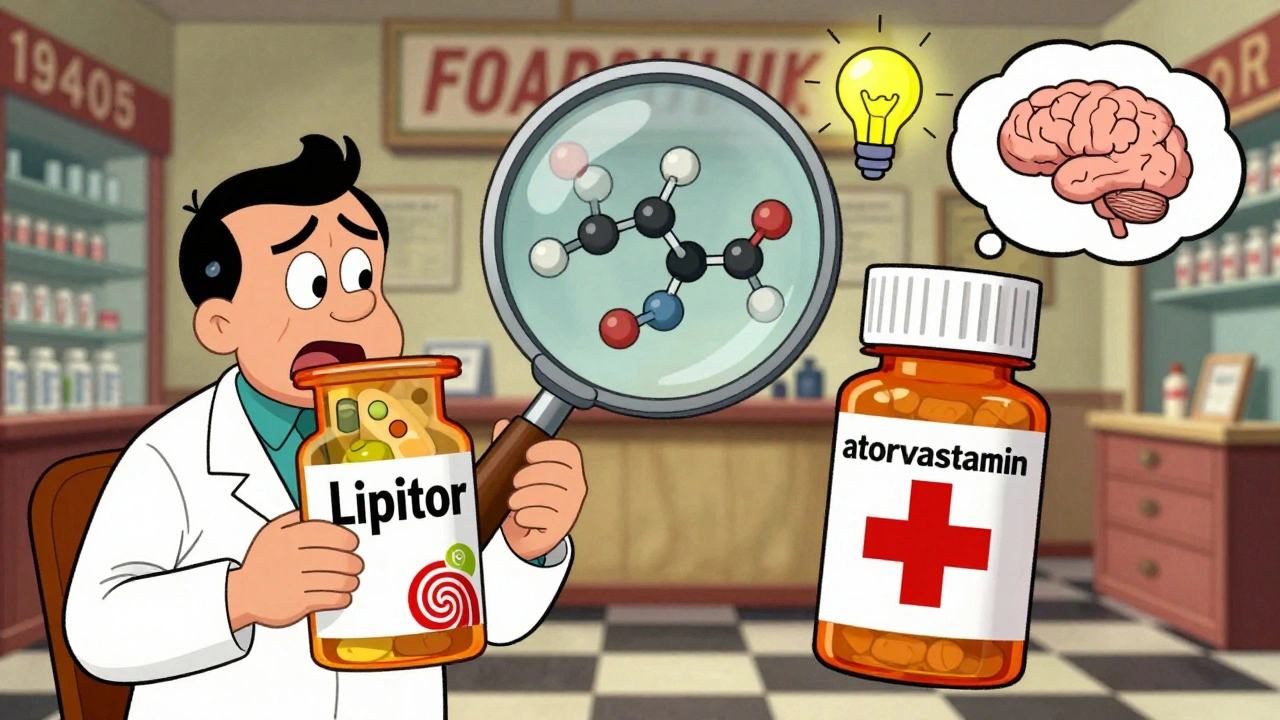
Most people don’t realize it, but generic drugs are used in 9 out of every 10 prescriptions filled in the U.S. today. Yet, many still hesitate - wondering if they’re truly the same, if they’re safe, if they’ll work just as well. The truth? They are. By law, they must contain the exact same active ingredient, work the same way in the body, and meet the same strict quality standards as the brand-name version. But knowing that doesn’t always change how people feel. Perception still runs deeper than data.
Why Do People Still Doubt Generic Drugs?
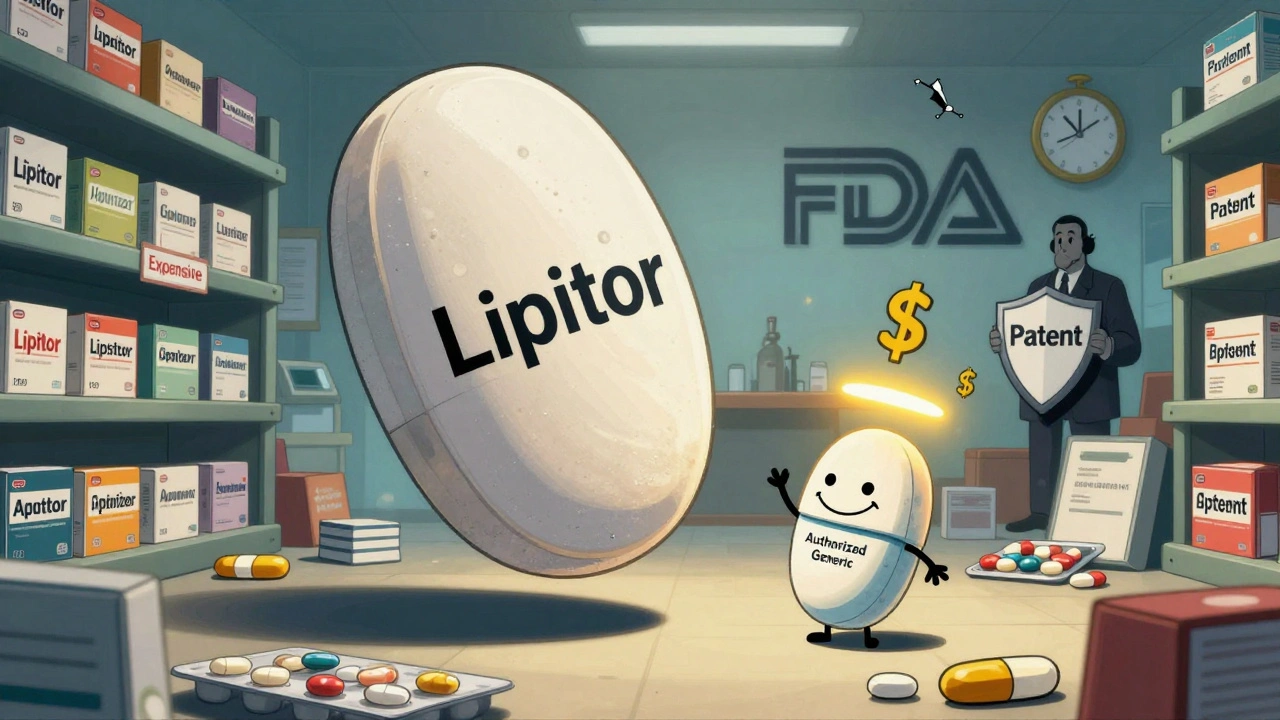
It’s not about science. It’s about psychology. Brand names carry weight. When you see "Lipitor" on a bottle, your brain connects it with years of advertising, doctor endorsements, and the comfort of familiarity. Generic versions? They’re often labeled with strange names like "atorvastatin calcium" - no logo, no TV ads, no celebrity doctors. To many, that feels like a downgrade, even when it’s not.
A 2025 survey found that 78% of physicians still hear patients express concerns about generic drugs working less effectively - even though the FDA requires them to be bioequivalent. That’s not ignorance. It’s conditioning. We’ve been trained to equate price with quality. A cheaper pill feels like a lesser pill. And when someone’s health is on the line, that doubt becomes a barrier.
The Real Difference Isn’t in the Pill - It’s in the Packaging
Modern generics aren’t just old pills with new labels. The landscape has changed dramatically. Today’s generics include complex injectables, extended-release capsules, and even biosimilars - which are not copies, but highly similar versions of biologic drugs like Humira or Enbrel.
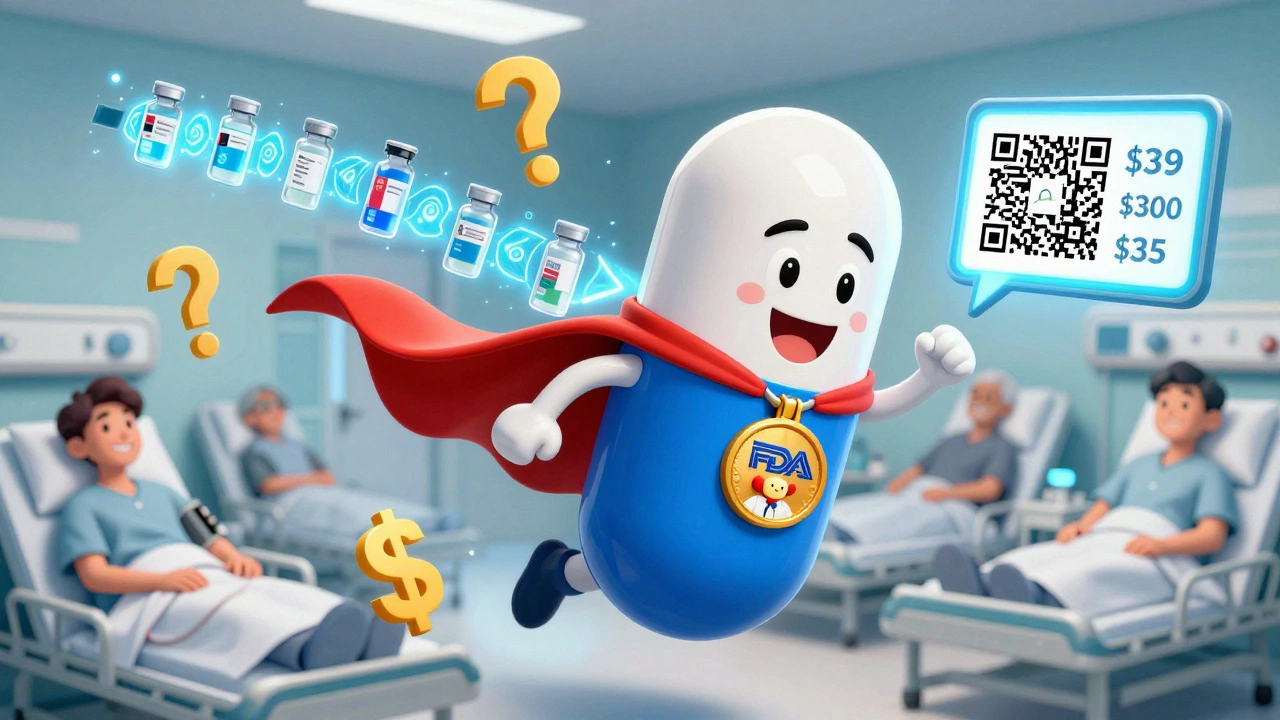
In 2025 alone, the FDA approved six new biosimilars for denosumab, the drug used to treat osteoporosis and bone metastases. These aren’t simple tablets. They’re precision-engineered biologics made in sterile facilities with real-time quality controls. The manufacturing process is more complex than many brand-name originals. And yet, they cost 15-30% less.
Patients in hospitals are already benefiting. Oncology units are switching to generic injectables to stretch budgets without sacrificing outcomes. One cancer center in Ohio reported treating 12% more patients last year simply by using generic versions of chemotherapy drugs - all with the same survival rates.
Price Isn’t the Only Story Anymore
For years, the argument for generics was simple: they save money. And they do - 80-85% cheaper than brand-name drugs on average. But that’s not enough anymore. The market is maturing. Prices are stabilizing. Experts like Dr. John Eberle from CivicaScript say we’re reaching the point where cost alone won’t drive adoption.
What’s next? Trust. Reliability. Transparency.
That’s why companies like CivicaScript are bypassing traditional pharmacy channels entirely. They partner directly with hospitals, guaranteeing stable supply and transparent pricing. No middlemen. No surprise price hikes. No stockouts. Patients get the same medication, every time, at a fair price. And that consistency builds confidence.
Even more powerful? Technology. Blockchain is being tested to track every batch of generic drug from factory to pharmacy. AI tools are helping pharmacists show patients exactly how their medication was tested, validated, and approved. Imagine scanning a QR code on your pill bottle and seeing the full bioequivalence study - the same data the FDA used to approve it. That’s not marketing. That’s proof.
Education Works - But Only When It’s Personal
One of the most effective ways to change perceptions isn’t a billboard or a TV ad. It’s a conversation.
A 2025 pilot program by the American Medical Association trained doctors to explain generics in simple terms during visits. Instead of saying, "This is just as good," they said, "This is the exact same medicine your body needs - just without the brand name. The FDA checks it just as carefully as the expensive version. I’ve prescribed this to hundreds of patients. No one had worse results. And you’ll save $150 a month."
The results? A 35% drop in patient concerns. Not because they were convinced by data. But because their doctor - someone they trust - spoke plainly, honestly, and personally.
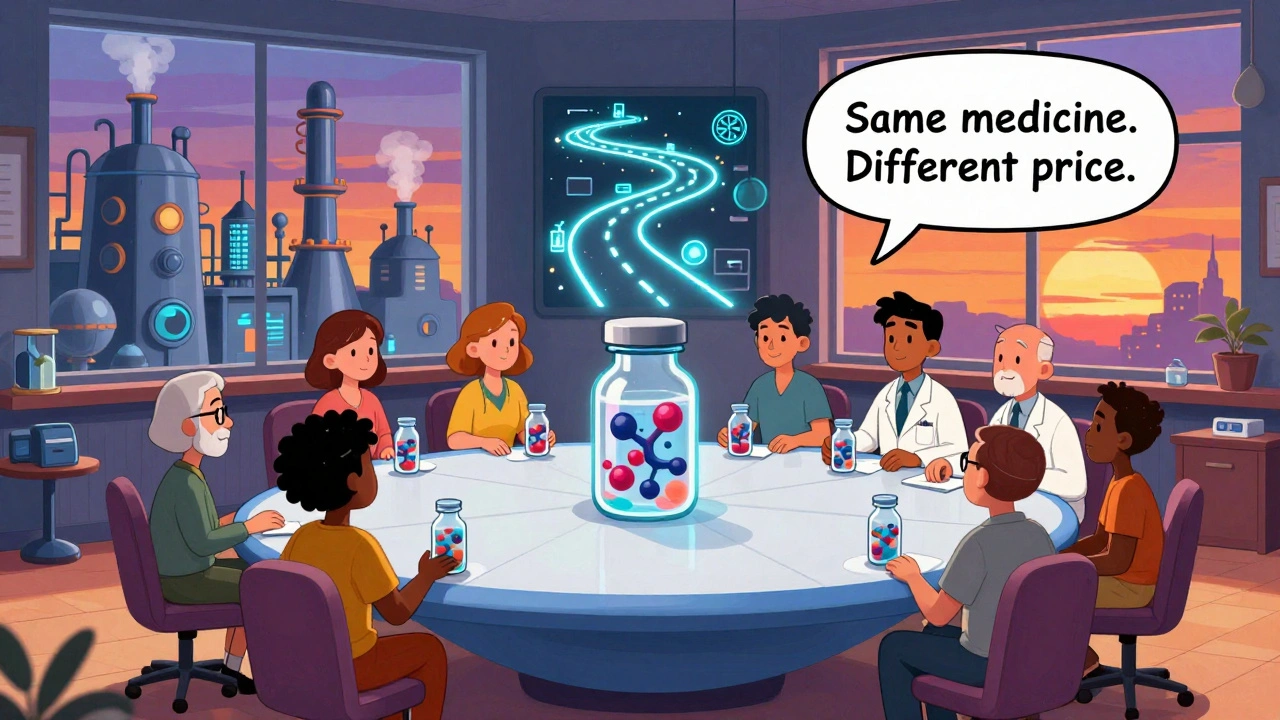
Pharmacists are doing the same. In community pharmacies, staff now hand patients a one-page sheet with a photo of the brand-name drug next to the generic, side by side, with a note: "Same active ingredient. Same dose. Same effect. Different price."
Supply Chain Problems Are Shifting the Conversation
For years, generic drugs were seen as unreliable. Shortages were common. Patients would get their prescription filled, only to be told weeks later that the generic was out of stock - and they’d have to pay full price for the brand.
That’s changing. In 2025, the FDA listed 270 active drug shortages - down from over 300 just two years ago. Why? Because more manufacturing is moving back to the U.S. and Europe. Companies are investing in domestic production to avoid global supply disruptions. And that matters.
When patients know their medication isn’t being shipped from a factory halfway across the world, subject to shipping delays and political instability, they feel safer. Domestic production isn’t just about cost. It’s about control. And control builds trust.
The Future Is in Biosimilars - and Patient Experience
The biggest shift coming? Biosimilars. These aren’t your grandfather’s generics. They’re complex, expensive-to-make drugs that treat cancer, rheumatoid arthritis, and inflammatory diseases. And they’re hitting the market fast.
By 2025, the biosimilars market is worth $133 billion. That’s not a niche anymore. It’s a major force. And patients are starting to notice. When someone with rheumatoid arthritis switches from a $20,000-a-year brand-name biologic to a $14,000 biosimilar - and feels just as well - word spreads.
What’s more, these drugs are being studied for new uses: sleep apnea, addiction, even Alzheimer’s. That’s not just saving money. It’s expanding access to life-changing treatments. And that changes how people see generics - from cheap alternatives to essential tools in modern medicine.
What’s Holding Us Back?
It’s not the science. It’s not the quality. It’s the narrative.
Brand-name companies spend billions on advertising. Generic manufacturers? Not so much. Why? Because they’re not selling a lifestyle. They’re selling a molecule. And molecules don’t make great commercials.
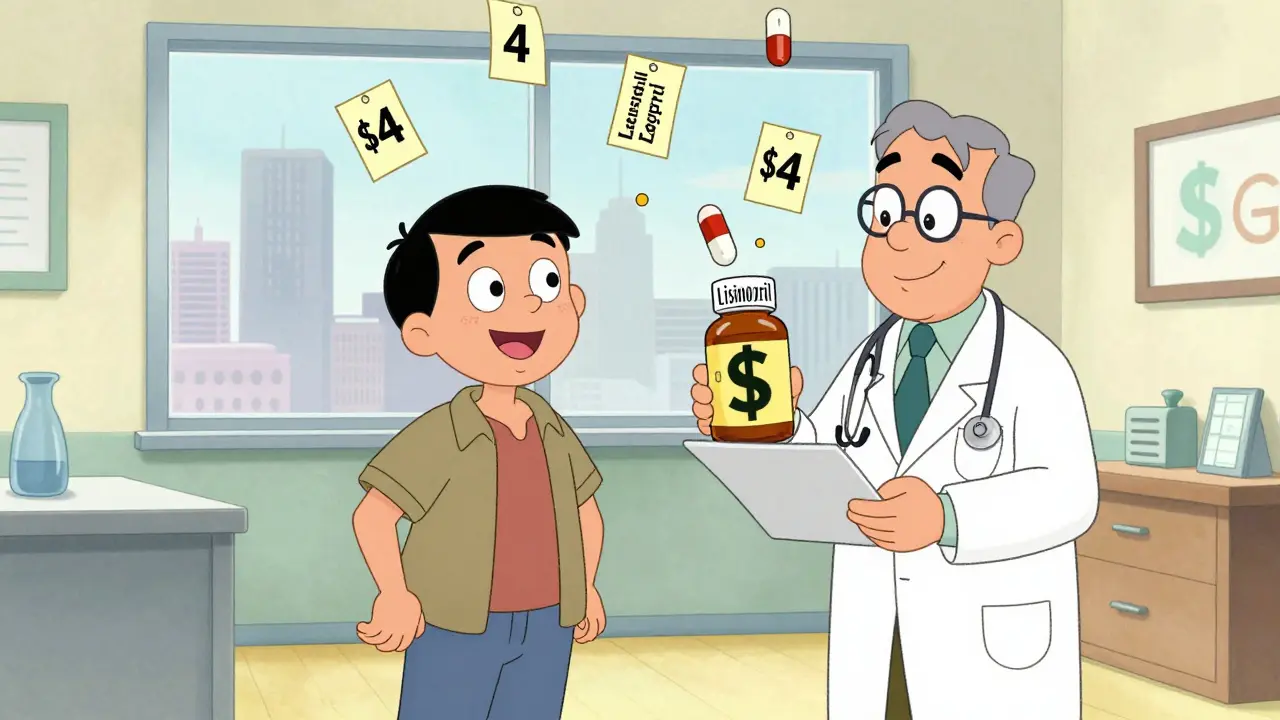
But that’s changing. The next wave of perception change won’t come from ads. It’ll come from experiences. When patients realize their blood pressure is stable on a $5 generic instead of a $120 brand. When they see their insulin costs drop from $300 to $35. When their oncologist says, "We’re switching you to this biosimilar - it’s proven, it’s covered, and it’s working."
That’s when perception shifts. Not because someone told them to believe it. But because they lived it.
What Comes Next?
By 2034, the global generic drug market will be worth over $728 billion. That’s not a prediction. It’s a mathematical certainty - driven by patent expirations, rising chronic disease rates, and government pressure to cut costs.
But numbers don’t change minds. People do. And the future belongs to those who stop talking about savings and start talking about outcomes. Who stop saying "it’s the same" and start showing patients how it’s the same - with proof, with transparency, with care.
The goal isn’t to convince people generics are good. The goal is to make them forget the brand ever mattered.
Are generic drugs really as effective as brand-name drugs?
Yes. By law, generic drugs must contain the same active ingredient, in the same strength, and work the same way in the body as the brand-name version. The FDA requires them to meet the same strict standards for quality, purity, and performance. Studies show no meaningful difference in effectiveness or safety between generics and brand-name drugs for the vast majority of medications.
Why do some people feel generics don’t work as well?
It’s mostly psychological. Brand-name drugs come with years of advertising, recognizable packaging, and doctor endorsements. Generics often have plain labels and unfamiliar names. People associate higher price with higher quality, even when the medicine inside is identical. Some also notice minor differences in inactive ingredients (like fillers), which can affect how a pill looks or tastes - but not how it works in the body.
What’s the difference between a generic drug and a biosimilar?
Generic drugs are exact copies of small-molecule drugs - like aspirin or metformin - made using chemical processes. Biosimilars are highly similar versions of complex biologic drugs - like Humira or insulin - made from living cells. They’re not exact copies because biologics are too complex to replicate perfectly. But they must prove they work the same way in the body. Biosimilars typically cost 15-30% less than the original biologic.
Why are generic drugs so much cheaper?
Generic manufacturers don’t have to repeat expensive clinical trials. They rely on the original brand’s safety and effectiveness data. They also don’t spend money on advertising, celebrity endorsements, or fancy packaging. Their main cost is manufacturing - and because multiple companies can make the same drug, competition drives prices down. On average, generics cost 80-85% less than brand-name versions.
Can I trust generic drugs if they’re made overseas?
Yes - as long as they’re approved by the FDA. The FDA inspects all manufacturing facilities, whether in the U.S., India, or elsewhere, using the same standards. Many brand-name drugs are also made overseas. The key is FDA approval, not where it’s made. However, more generic production is now moving to the U.S. and Europe to improve supply reliability and reduce shortages.
Will switching to a generic drug cause side effects?
Rarely. The active ingredient is identical, so the body reacts the same way. Some people report feeling different after switching - but that’s usually due to changes in inactive ingredients (like dyes or fillers), which can affect how fast the drug is absorbed. For most people, this causes no issue. If you notice a change, talk to your pharmacist or doctor - they can check if a different generic version might work better.
How can I be sure I’m getting a real generic drug?
All FDA-approved generics have a unique drug identifier (NDC number) on the label. You can look it up on the FDA’s website or ask your pharmacist. Many pharmacies now use apps or QR codes that show you the drug’s approval history and bioequivalence data. If your pharmacy switches your prescription without telling you, ask why - you have the right to know what you’re getting.
Are there any drugs where I should avoid generics?
For most medications, no. But for drugs with a narrow therapeutic index - like warfarin, levothyroxine, or some anti-seizure medications - small differences in absorption can matter. Even so, FDA-approved generics for these drugs are still safe and effective. If your doctor recommends sticking with a brand, it’s usually for consistency, not because the generic is inferior. Always discuss alternatives with your provider.
What Should You Do Next?
If you’re on a long-term medication, ask your pharmacist: "Is there a generic version?" If you’re switching and feel unsure, ask your doctor to explain why the generic is a good choice. Don’t just accept the first pill you’re given - understand what’s inside it.
If you’re a caregiver or parent managing prescriptions, use the QR codes or patient guides that pharmacies are starting to provide. See the data. Compare the pills. Ask questions.
The future of healthcare isn’t about paying more. It’s about knowing more. And knowing the truth about generics might just save you - and your family - thousands of dollars without sacrificing a single bit of care.
Gillian Watson
I’ve been on generics for years and never had an issue. My blood pressure’s stable, my cholesterol’s down, and I saved enough to take a trip to Portugal. Why fix what isn’t broken?
Gareth Storer
Oh wow, so now we’re supposed to trust pills with no logo because some guy in a lab coat says so? Next they’ll tell me my iPhone is just as good if it says ‘iPh0ne’ on the back.
Pavan Kankala
They’re not just generics. They’re controlled by the same corporations that make the brand names. Same factories. Same executives. The ‘generic’ label is just a tax write-off with a different sticker.
Martyn Stuart
I’ve worked in community pharmacy for 22 years, and I’ve seen patients switch from brand-name statins to generics-over 3,000 cases-and not a single one had a clinically significant difference in labs or symptoms. The FDA’s bioequivalence standards are brutal-90-110% absorption range, with 95% confidence intervals. It’s not a guess. It’s math.
Jessica Baydowicz
OMG YES!! I switched my mom’s diabetes med to generic and she cried because she finally had money for her grandkids’ birthday gifts. This isn’t just about pills-it’s about dignity.
val kendra
My dad’s on a generic blood thinner. He used to freak out every time the pill looked different. Then his pharmacist gave him a little card with a side-by-side photo and a note: same active ingredient, same dose, same effect. He still keeps it in his wallet. Turns out, knowing is half the battle.
Isabelle Bujold
I think the real issue here is that we’ve conflated pharmaceutical marketing with medical authority. For decades, we’ve been told that a brand name equals safety, and that’s just not true. The FDA doesn’t care if your pill has a rainbow logo or a plain white capsule. It cares about dissolution rates, bioavailability, and batch consistency. The fact that we still equate packaging with potency says more about our consumer culture than it does about pharmacology.
Augusta Barlow
You think the FDA’s really inspecting every factory? Please. Most inspections are scheduled weeks in advance. The ones that matter? They’re done by contractors who get paid per inspection. And don’t get me started on India. Half those pills are made in basements with no air filtration. You think your generic insulin is safe? You’re just lucky you haven’t died yet.
Joe Lam
I’m sorry, but if you’re willing to gamble your health on a pill that costs 85% less, you’re not saving money-you’re being reckless. Real medicine doesn’t come with a discount sticker.
Rachel Bonaparte
I used to think generics were fine until my cousin’s husband had a stroke after switching to a generic blood thinner. Turns out, the inactive ingredients were different. He’s now on a feeding tube. So no, I don’t trust them. And I won’t let my kids take them either.
Scott van Haastrecht
This whole article is corporate propaganda. The FDA is a revolving door for Big Pharma execs. Generics are the Trojan horse. First they make you trust the cheap version, then they raise the price anyway. You think you’re saving money? You’re being groomed for the next phase of the scam.
Chase Brittingham
I get why people are nervous. I used to be too. But after my mom switched to a generic thyroid med and her TSH levels actually improved, I realized it wasn’t about the brand-it was about consistency. The pharmacist gave her the same batch every time. That’s the real win.
Bill Wolfe
Let’s be real-this isn’t about science. It’s about class. People who can’t afford the brand-name drugs are being told to ‘be grateful’ for the generic. Meanwhile, the same companies that make the generics charge $20,000 for the biologic version. The real villain isn’t the pill-it’s the system that makes you choose between food and medicine.
Rebecca Braatz
I work in oncology. We switched 80% of our chemo to generics last year. Survival rates? Identical. Patient satisfaction? Higher. Why? Because they could afford to eat. To travel. To live. This isn’t a compromise. It’s justice.
Michael Feldstein
I used to be skeptical too-until I started reading the FDA’s bioequivalence reports. One study showed a generic version of metformin had a 98.7% absorption rate compared to the brand. That’s not ‘close enough.’ That’s practically identical. The difference in side effects? Statistically negligible.
jagdish kumar
The pill is the same. The fear is not.