

When you pick up a prescription, you might see a label that says montelukast instead of Singulair. You assume it’s just a cheaper version of the same drug. But here’s the catch: not all generics are created equal. Some are exact copies of the brand-name pill - down to the color, shape, and inactive ingredients. Others are bioequivalent but made with different fillers, dyes, or binders. These two types are called authorized generics and traditional generics, and knowing the difference can affect how your medicine works - and how much you pay.
What Exactly Is an Authorized Generic?
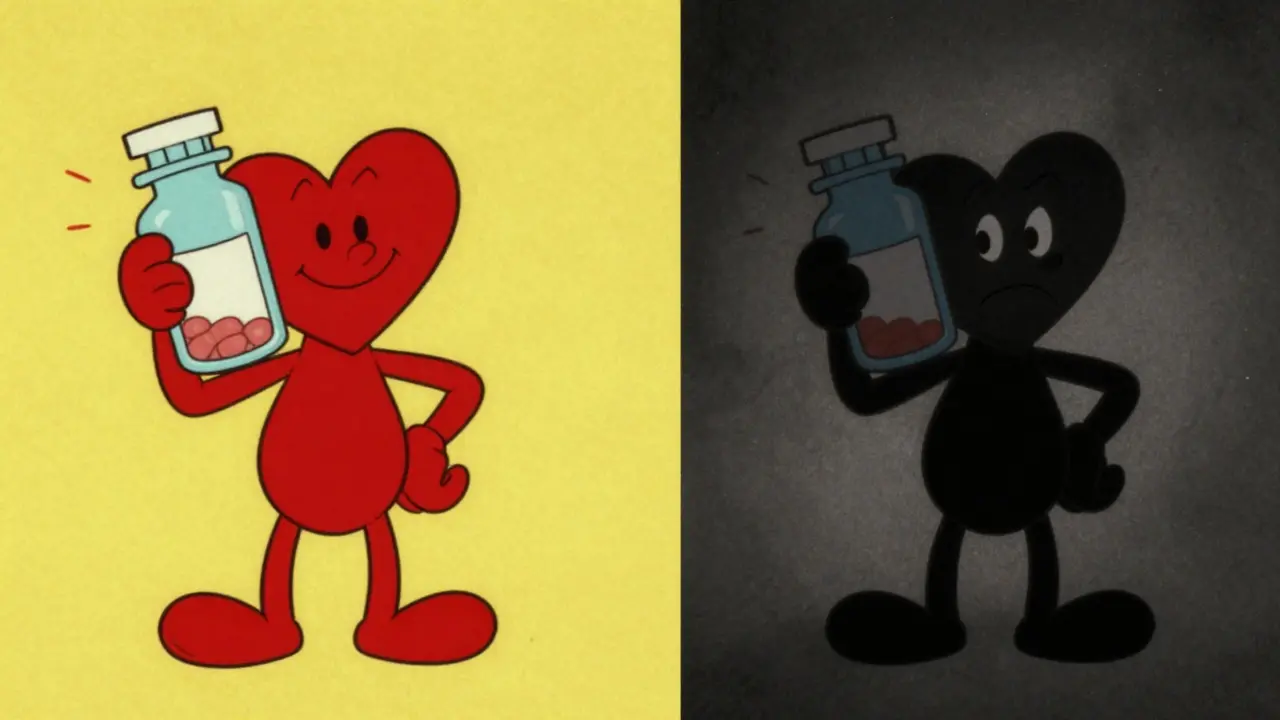
An authorized generic is the brand-name drug you know, but without the brand name on the bottle. It’s made by the same company, in the same factory, using the exact same ingredients. The only difference? The label doesn’t say "Singulair" or "Lipitor." It just says the generic name - and maybe a different color or marking on the pill. This isn’t some loophole. It’s a legal pathway under the FDA’s rules. The original drugmaker holds the New Drug Application (NDA) for the brand. When they decide to launch an authorized generic, they don’t need to go through the full approval process again. They just notify the FDA and start selling it under a different label. That’s why authorized generics hit the market faster than traditional ones - sometimes even before the first traditional generic arrives. For patients, this means you’re getting the exact same product your doctor prescribed, just at a lower price. Many people with asthma or allergies report no difference between their brand-name inhaler and its authorized generic. That’s because the inactive ingredients - the stuff that holds the pill together or gives it color - are identical. No surprises. No changes in how the drug is absorbed. Just the same effect, less cost.How Traditional Generics Work
Traditional generics are what most people think of when they hear "generic drug." These are made by different companies - often large generic manufacturers like Teva, Mylan, or Sandoz. They don’t use the original brand’s formula. Instead, they create their own version that’s "bioequivalent" to the brand. Bioequivalent means the drug gets into your bloodstream at the same rate and in the same amount as the brand-name version. The FDA requires this for approval. But here’s where it gets tricky: traditional generics can have different inactive ingredients. That might mean a different dye, a different binder, or even a different coating. For most drugs, this doesn’t matter. Your body doesn’t care if the filler is cornstarch or cellulose. But for certain medications - especially those with a narrow therapeutic index - even small differences can cause problems. Think blood thinners like warfarin, seizure meds like phenytoin, or thyroid drugs like levothyroxine. In these cases, switching between different generic versions - or from brand to generic - can lead to changes in how the drug works. Some patients report feeling different after a switch, even if lab tests show their levels are "within range." Traditional generics go through the Abbreviated New Drug Application (ANDA) process. That’s cheaper and faster than the original NDA, but still requires testing. The FDA doesn’t retest safety or effectiveness - they rely on the brand’s data. But they do require proof that the generic performs the same way in the body.Key Differences Between Authorized and Traditional Generics
Here’s the real breakdown:- Manufacturer: Authorized generics are made by the brand-name company. Traditional generics are made by separate companies.
- Inactive ingredients: Authorized generics match the brand exactly. Traditional generics can have different ones.
- Approval process: Authorized generics don’t need FDA approval - just notification. Traditional generics must go through the full ANDA process.
- Timing: Authorized generics can launch before patent expiry. Traditional generics usually wait until after.
- Listing: Authorized generics don’t appear in the FDA’s Orange Book. Traditional generics do.
- Cost: Authorized generics are often cheaper than the brand, but sometimes priced similarly to traditional generics. They’re rarely the cheapest option.
For example, the authorized generic of Singulair (montelukast) is made by Merck - the same company that makes the brand. The traditional generic? Made by Teva or others. Both are approved. But if you’re sensitive to fillers or have had bad reactions to past generics, the authorized version gives you peace of mind.
Why Authorized Generics Are Harder to Spot
Here’s something most patients don’t know: your pharmacist might not even tell you which kind of generic you’re getting. Authorized generics aren’t listed in the FDA’s Orange Book - the go-to reference for pharmacists checking therapeutic equivalence. So when a pharmacist looks up your prescription, they might see "montelukast" and assume it’s a traditional generic. They might not know it’s actually the exact same pill as Singulair, just unlabeled. That’s why some patients get confused. They switch from brand to "generic," then back to brand, and feel like the medication isn’t working as well. Turns out, they were getting the authorized version all along - and didn’t realize it. Pharmacists in Australia and the U.S. report that patients often ask: "Is this the real thing?" The answer depends on the label - and whether the pharmacy knows the source. If you’re on a medication where consistency matters - like for epilepsy, heart rhythm, or hormone therapy - ask your pharmacist: "Is this an authorized generic?"
When to Choose One Over the Other
For most people, traditional generics are perfectly safe and cost-effective. They’re the reason drug prices dropped by 80-90% over the last 20 years. But there are times when an authorized generic makes more sense:- You’ve had a bad reaction to a traditional generic before.
- You’re on a drug with a narrow therapeutic index (like warfarin, digoxin, or levothyroxine).
- You’re switching between brands and generics often and notice changes in how you feel.
- Your insurance covers the authorized generic at the same price as the traditional one.
On the flip side, if you’re taking a simple drug like amoxicillin or atorvastatin, and you’ve never had issues with generics, there’s no need to pay extra for an authorized version. The traditional generic is just as good - and often cheaper.
Insurance companies usually prefer traditional generics because they’re the lowest-cost option. But some plans now list authorized generics as preferred options - especially for chronic conditions where consistency matters.
What the FDA Says
The FDA is clear: authorized generics are not traditional generics. They’re a separate category. The agency even has a list of authorized generics - updated quarterly - but it’s not easy to find. Most patients and even some doctors don’t know it exists. The FDA also warns that not all generics are interchangeable. For complex drugs - like inhalers, injectables, or topical creams - even tiny differences in formulation can affect how the drug works. That’s why authorized generics are more common in oral solid drugs (pills and capsules) than in other forms.Real-World Impact
A 2023 study found that between 2010 and 2020, over 200 authorized generics entered the U.S. market. Most were for drugs with high patient volume - like asthma meds, cholesterol pills, and acid reflux drugs. In those cases, patients reported fewer complaints about side effects or lack of effectiveness compared to traditional generics. One patient in Melbourne told her pharmacist: "I switched to the generic for my asthma inhaler, and I started wheezing again." It turned out she’d been switched from the brand to a traditional generic. When she went back to the authorized version, her symptoms disappeared. Her doctor didn’t know the difference - and neither did the pharmacy. That’s the problem. Most people assume "generic" means "identical." It doesn’t. And without knowing which kind you’re getting, you’re taking a gamble.
What You Can Do
If you’re on a medication where consistency matters, here’s what to do:- Ask your pharmacist: "Is this an authorized generic?"
- Check the pill’s imprint code and color against the brand-name version. Authorized generics often match exactly.
- Ask your doctor to write "DAW" (dispense as written) on the prescription if you want to avoid substitution.
- Keep a log of how you feel after each refill. Note any changes in energy, side effects, or symptom control.
- If you notice a difference after switching, don’t assume it’s "all in your head." It might be the inactive ingredients.
Don’t be afraid to ask questions. Your health isn’t a cost-cutting experiment. If your doctor or pharmacist doesn’t know the difference between authorized and traditional generics, it’s time to find someone who does.
Future Trends
Brand-name drugmakers are using authorized generics more than ever. Why? Because they can undercut traditional generics before they even arrive. By launching their own version - identical to the brand - they keep market share and pricing control. That’s good for patients who want the brand without the brand price. But it’s bad for competition. When the first traditional generic finally comes out, it’s already fighting an identical product that’s priced the same. The FDA is working on better tracking and transparency. They’re expanding their list of authorized generics and pushing for clearer labeling. But for now, the burden is on you.If you’re paying for a generic, know what kind it is. Because not all generics are created equal.
Are authorized generics safer than traditional generics?
Authorized generics are identical to the brand-name drug in both active and inactive ingredients, so they eliminate the risk of formulation differences that can sometimes affect how traditional generics work. This makes them a safer choice for medications with a narrow therapeutic index - like warfarin, levothyroxine, or seizure drugs - where even small changes in absorption can cause problems. For most other drugs, traditional generics are just as safe and effective.
Can pharmacists substitute an authorized generic for a brand-name drug without permission?
Yes - but only if the prescription doesn’t say "DAW" (dispense as written). Pharmacists can substitute any generic - authorized or traditional - unless the doctor specifically writes "do not substitute" or "DAW." Many patients don’t realize their "generic" is actually an authorized version. If you want to stay on the brand or a specific generic, ask your doctor to write "DAW" on the prescription.
Why aren’t authorized generics listed in the FDA’s Orange Book?
The Orange Book only lists drugs approved through the ANDA process - traditional generics. Authorized generics are made under the original brand’s NDA, so they don’t need separate FDA approval. That’s why pharmacists can’t look them up in the Orange Book. To identify them, you need to check the manufacturer or ask your pharmacist directly.
Are authorized generics cheaper than the brand name?
Yes, usually. Authorized generics are typically priced lower than the brand-name version, sometimes by 20-40%. But they’re often priced the same as traditional generics - not always cheaper. In some cases, insurance plans cover the authorized generic at the same cost tier as the brand, making it a smart choice if you want consistency without paying full price.
Can I trust an authorized generic if it looks different from the brand?
Yes. The FDA allows authorized generics to have different colors, markings, or packaging - as long as the active and inactive ingredients are identical. A pill might be blue instead of white, or have a different imprint code. That doesn’t mean it’s a different drug. Always check the name and dosage, and if you’re unsure, ask your pharmacist to confirm it’s the authorized version.
Next Steps
If you’re on a medication that’s critical to your health - like for heart disease, thyroid function, or mental health - don’t just accept whatever generic your pharmacy hands you. Ask questions. Know what you’re taking. Keep a record of how you feel after each refill. If you notice a change, speak up.And if you’re a caregiver, parent, or someone managing multiple prescriptions, make this part of your routine. Authorized generics aren’t magic. But they’re a tool - one that can give you the exact same drug you trusted, without the brand-name price tag.

Isaac Bonillo Alcaina
Let’s be real - if you’re taking levothyroxine and switching generics like it’s a cereal brand, you’re playing Russian roulette with your metabolism. I’ve seen patients crash into hypothyroidism because some pharmacist thought ‘bioequivalent’ meant ‘identical.’ Authorized generics aren’t a luxury - they’re a necessity for anything that affects your endocrine system. Stop treating your thyroid like it’s a disposable vape.
Bhargav Patel
One cannot overlook the philosophical underpinnings of pharmaceutical equivalence. The very notion that a molecule, identical in composition, may be perceived as different based solely on the label affixed to its container, speaks to the human propensity for symbolic attribution. The pill, in its essence, is neutral - it is we who impose meaning upon it. The authorized generic, devoid of brand mystique, returns us to the purity of pharmacological function - a quiet triumph of science over marketing.
Joe Jeter
Oh great, so now we’re supposed to trust the same companies that jacked up prices for 20 years just because they slap a different label on it? Classic corporate maneuver. They’re not giving you a deal - they’re locking you into their ecosystem before the real generics even show up. This isn’t patient empowerment. It’s monopolistic theater.
Sidra Khan
So… if I’m on warfarin and my pill changes color, I’m supposed to panic? 🤔 I mean, I get it, but like… is this really a thing people need to Google at 2am? Also, why does the FDA make this so hard to find? This feels like a scam designed to make pharmacists look smart.
siddharth tiwari
u think this is about pills? nah. authorized generics? theyre just the first step. next theyll put tracking chips in em. the fda and big pharma are in bed together. they want you dependent on their version. dont trust the imprint code. check the batch number. its all connected to the national database. they know when you take it. they know if you switch. they know if you feel different. its surveillance. its control.
Jeffrey Frye
Let’s not pretend this is about patient safety. It’s about profit margins. The brand-name companies launch authorized generics to kill competition before it starts. The FDA doesn’t care - they’re underfunded and overworked. Meanwhile, patients are stuck playing detective with pill colors and pharmacist half-truths. This isn’t healthcare. It’s a loophole economy.
Gray Dedoiko
I used to think all generics were the same until I switched from brand to generic for my asthma med and started coughing nonstop. Switched back to the brand - fine. Then my pharmacist said, 'Wait, you were on the authorized generic this whole time.' Turned out the 'generic' I was on was actually the same pill, just unlabeled. I had no idea. Now I always ask. It’s wild how little people know about this. Thanks for pointing it out.
Payson Mattes
Hey, I’ve been doing some digging - and I found out that if you call the manufacturer’s customer service line and give them the pill imprint, they’ll tell you if it’s an authorized generic. Merck, Pfizer, they all have lists. You don’t need to guess. Also, some pharmacies have internal codes - like 'AG-01' for authorized generic. Ask for the manufacturer’s name, not just the label. I even made a spreadsheet. I’ll share it if you DM me. Seriously, this info should be on every prescription bottle.
Adarsh Dubey
Interesting breakdown. For most of us, the traditional generic works fine. But for those with sensitive systems - especially on long-term meds - the authorized version is a quiet gift. I wish more doctors mentioned it. Not because it’s 'better,' but because it’s predictable. Consistency matters more than cost when your health is on the line. Simple as that.