NTI Drugs: What They Are, Why They Matter, and What You Need to Know
When you take a medication, you expect it to work—and not hurt you. But some drugs operate on a razor’s edge. These are called NTI drugs, medications with a narrow therapeutic index, meaning the difference between a safe dose and a toxic one is very small. Also known as narrow therapeutic index drugs, they require extreme precision because even a slight overdose can cause serious harm, while too little won’t work at all. This isn’t theoretical—it’s why people end up in the hospital, why pharmacists double-check doses, and why some prescriptions come with extra warnings.
NTI drugs aren’t rare. Common ones include warfarin, a blood thinner where a few milligrams too much can cause dangerous bleeding, digoxin, used for heart rhythm issues but toxic if levels creep up, and phenytoin, an anti-seizure drug with a tiny safety margin. Even generic versions of these drugs can behave differently between brands because of how they’re absorbed—something the FDA tracks closely but patients rarely know about. That’s why switching from one brand to another, even if labeled the same, can be risky with NTI drugs. And when you’re on multiple meds, like with comorbidities, such as kidney disease or heart failure, the risk grows. Your body processes these drugs slower, making tiny errors even more dangerous.
These drugs don’t just need careful dosing—they need careful monitoring. Blood tests aren’t optional with NTI drugs. They’re the only way to know if you’re in the safe zone. But most people don’t realize this. They think if the pill looks the same, it works the same. It doesn’t. That’s why prescription errors, misread labels, or skipping lab checks can have life-or-death consequences. The posts below cover exactly these risks: how NTI drugs interact with other meds, why generic switches can backfire, how kidney or liver problems change how your body handles them, and what to ask your doctor before you start or switch. You’ll find real advice on catching mistakes, understanding lab results, and protecting yourself when you’re on one of these high-stakes medications. This isn’t about theory. It’s about staying alive.
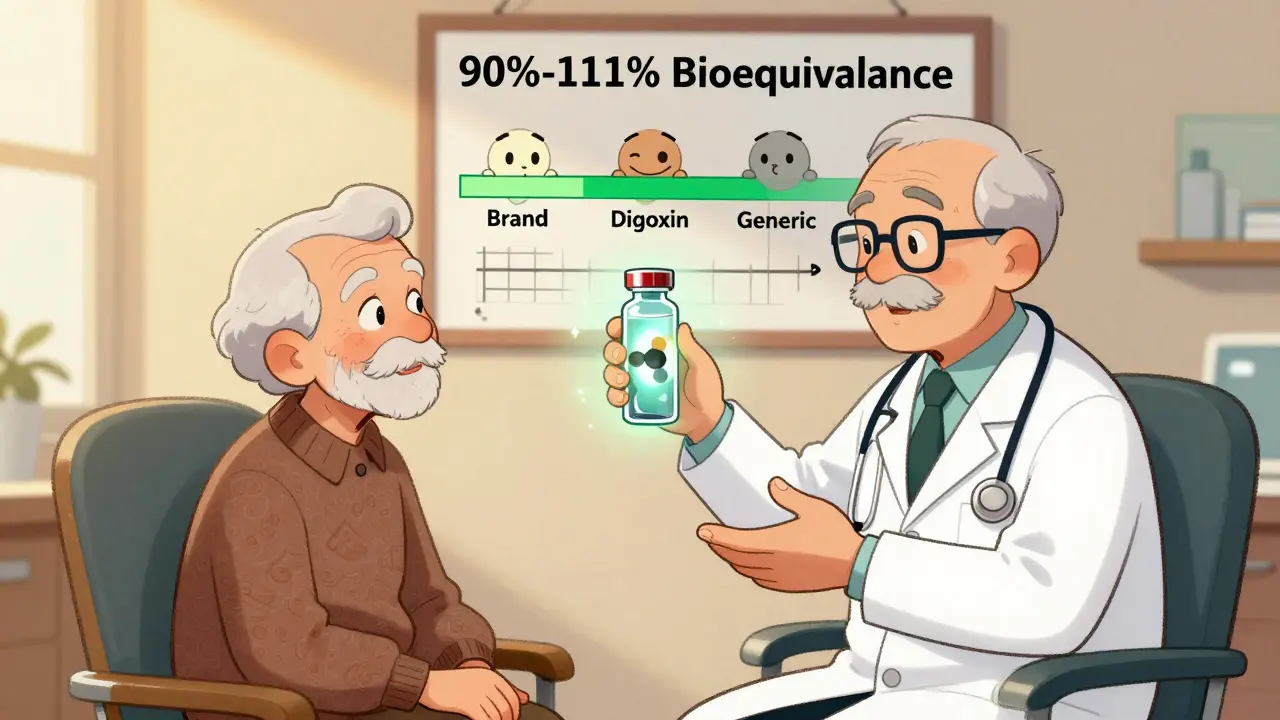
How to Talk to Patients About Switching to Generic NTI Drugs
When switching patients to generic NTI drugs like warfarin or levothyroxine, clear communication is critical. Learn what to say, when to monitor, and how to build trust to prevent dangerous outcomes.
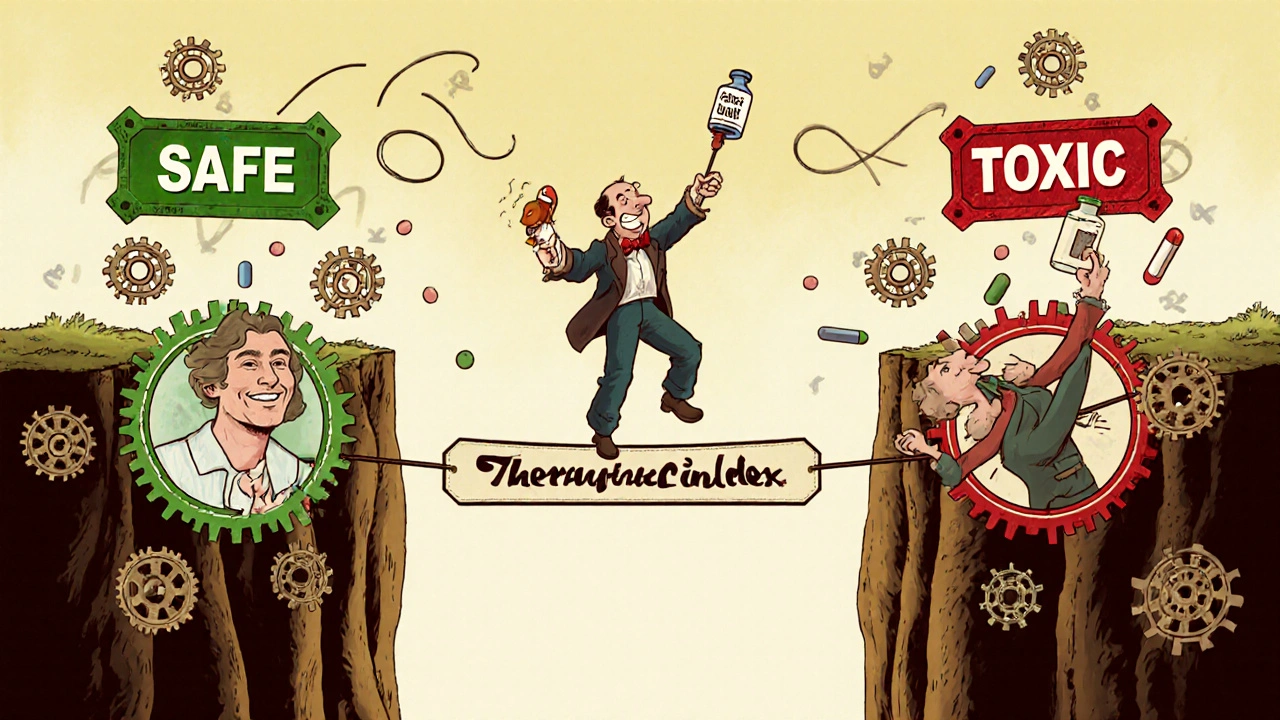
FDA Bioequivalence Standards for NTI Drugs: What You Need to Know
The FDA applies stricter bioequivalence standards for narrow therapeutic index (NTI) drugs like warfarin, phenytoin, and digoxin to prevent dangerous dosing errors. Learn how these rules differ from regular generics and what they mean for patients.
Popular posts