Medicare Part D: What It Covers, How It Works, and What You Need to Know
When you’re on Medicare Part D, the federal prescription drug coverage program for Medicare beneficiaries. Also known as Medicare drug plans, it’s not automatic—you have to sign up separately, and missing the window can cost you extra forever. This isn’t just about getting pills covered. It’s about understanding how your plan picks which drugs it pays for, how much you pay at the pharmacy, and when you might hit that scary coverage gap everyone calls the donut hole.
Drug formulary, the list of medications a plan covers. Also known as preferred drug list, it’s the real rulebook. Not every drug is included, and even if it is, your plan might make you try cheaper options first. That’s called step therapy. If your doctor prescribes something not on the list, you might need prior authorization—or pay full price out of pocket. And if you’re taking multiple meds, like for diabetes, high blood pressure, or heart issues, you need to check if they all play nice under the same plan. Medicare supplement, plans like Medigap that help cover out-of-pocket costs. Also known as Medigap, they don’t cover drugs at all. That’s a common mix-up. You still need Part D for prescriptions, even if you have a Medigap plan. And if you’re on low income, there’s Extra Help—a federal program that slashes your monthly premiums, deductibles, and copays. You don’t have to guess if you qualify. The Social Security Administration can tell you in minutes.
Every year, plans change. Drugs get added or removed. Costs go up. Your current plan might look great now, but come January, it could leave you paying hundreds more. That’s why open enrollment isn’t just a reminder—it’s your chance to compare. Look at your actual meds, not just the plan’s shiny ads. Check the total yearly cost: premium + deductible + what you pay per pill. A low monthly fee means nothing if your insulin costs $150 a month and the plan only covers $30. And don’t forget pharmacy networks. If your local pharmacy isn’t in-network, you’ll pay more—or have to mail-order.
The posts below break down real-world problems people face with Medicare Part D: how to read your drug list, why your pill suddenly costs more, what to do when your plan denies coverage, and how to avoid the donut hole trap. You’ll find guides on spotting hidden costs, comparing plans without the jargon, and what to ask your pharmacist when something doesn’t add up. This isn’t theory. It’s what happens when your prescription label changes, your copay jumps, or your doctor switches your med—and you didn’t see it coming.
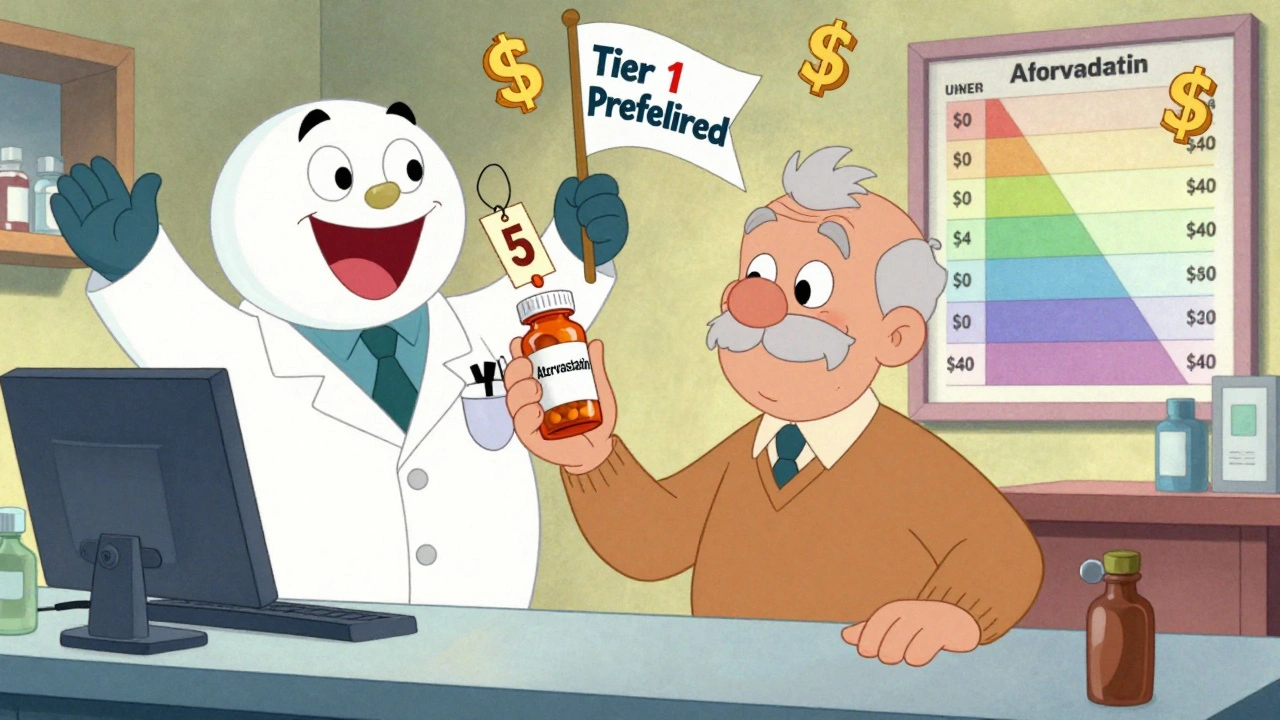
Medicare Part D Formularies: How Generic Coverage Works in 2025
Learn how Medicare Part D formularies cover generic drugs in 2025, including tiered pricing, the $2,000 out-of-pocket cap, and how to save hundreds on prescriptions. Updated for current rules.
Popular posts