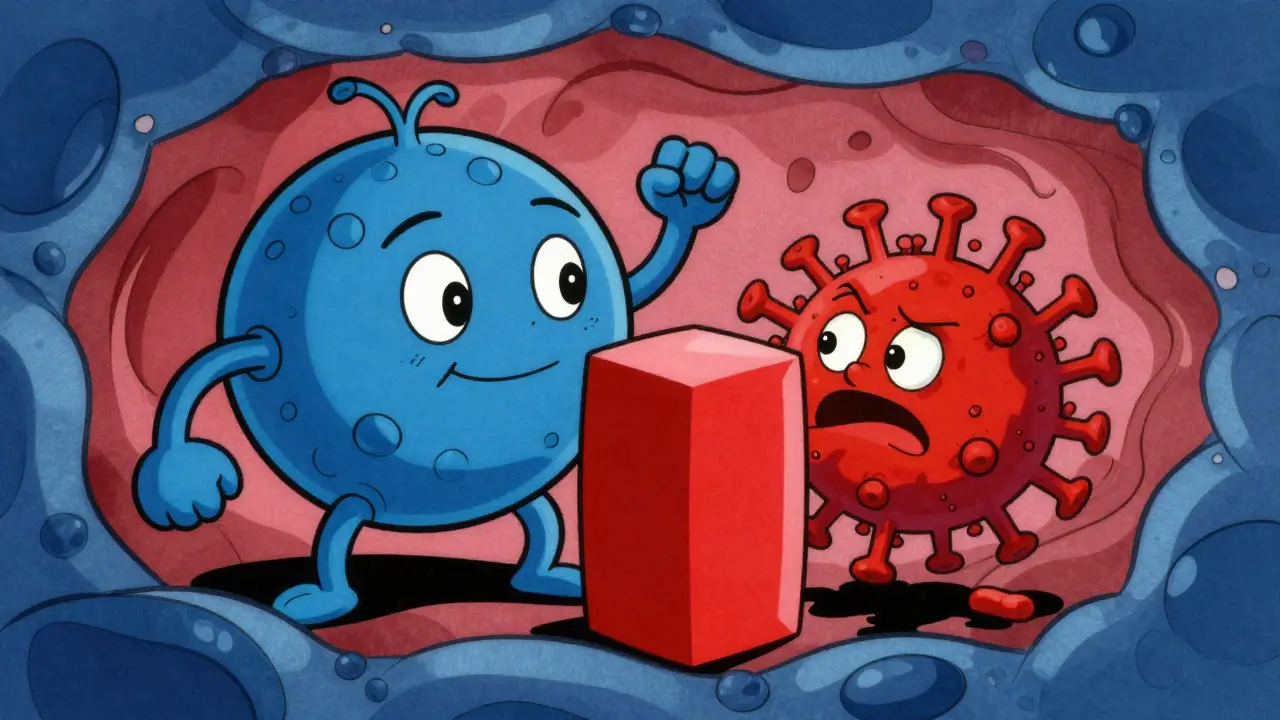
GI Bleeding Risk: What Medications, Conditions, and Signs You Need to Know
When you hear GI bleeding risk, the chance of internal bleeding in the stomach or intestines due to medications, diseases, or other factors. Also known as gastrointestinal hemorrhage, it’s not rare—and it’s often preventable if you know the triggers. This isn’t just about ulcers or alcohol. It’s about what’s in your medicine cabinet, what’s happening inside your body, and whether you’re ignoring early warnings.
Many people don’t realize that common painkillers like ibuprofen or naproxen can quietly damage the lining of your stomach over time. These are NSAIDs, nonsteroidal anti-inflammatory drugs used for pain and inflammation, and they’re one of the top causes of GI bleeding in adults. Even taking them for a few weeks can raise your risk, especially if you’re over 60 or have a history of ulcers. Then there are anticoagulants, blood thinners like warfarin or apixaban that prevent clots but also increase bleeding risk. When you combine NSAIDs with these, the danger multiplies. It’s not just one drug—it’s the mix that catches people off guard.
Other big players? peptic ulcer, a sore in the stomach or duodenum, often caused by H. pylori bacteria or long-term NSAID use. It doesn’t always hurt badly at first. Some people just feel a little bloated, get occasional nausea, or notice their stool looks darker than usual. That’s not normal. Black, tarry stools or vomiting blood are late signs—and they mean you’re already bleeding. Early signs are subtler: unexplained fatigue, dizziness when standing, or losing your appetite without reason. These aren’t just "getting older" symptoms. They’re your body trying to tell you something’s wrong.
It’s not just about what you take—it’s about what else is going on. If you have kidney disease, liver problems, or heart failure, your body handles medications differently. That’s why comorbidities, other health conditions that interact with medications and increase side effect risks matter so much. A drug that’s fine for someone healthy might be dangerous for you. And if you’re on five or more pills a day, you’re in the high-risk zone for polypharmacy, the use of multiple medications that can interact unpredictably. You don’t need to stop everything. But you do need to know what’s in your regimen and why.
What you’ll find below are real, practical articles that cut through the noise. You’ll see how prescription labels hide critical warnings, why certain drugs are riskier than others, how to spot early signs before it’s an emergency, and what steps you can take right now to lower your risk. No fluff. No theory. Just what you need to know to stay safe with your meds.
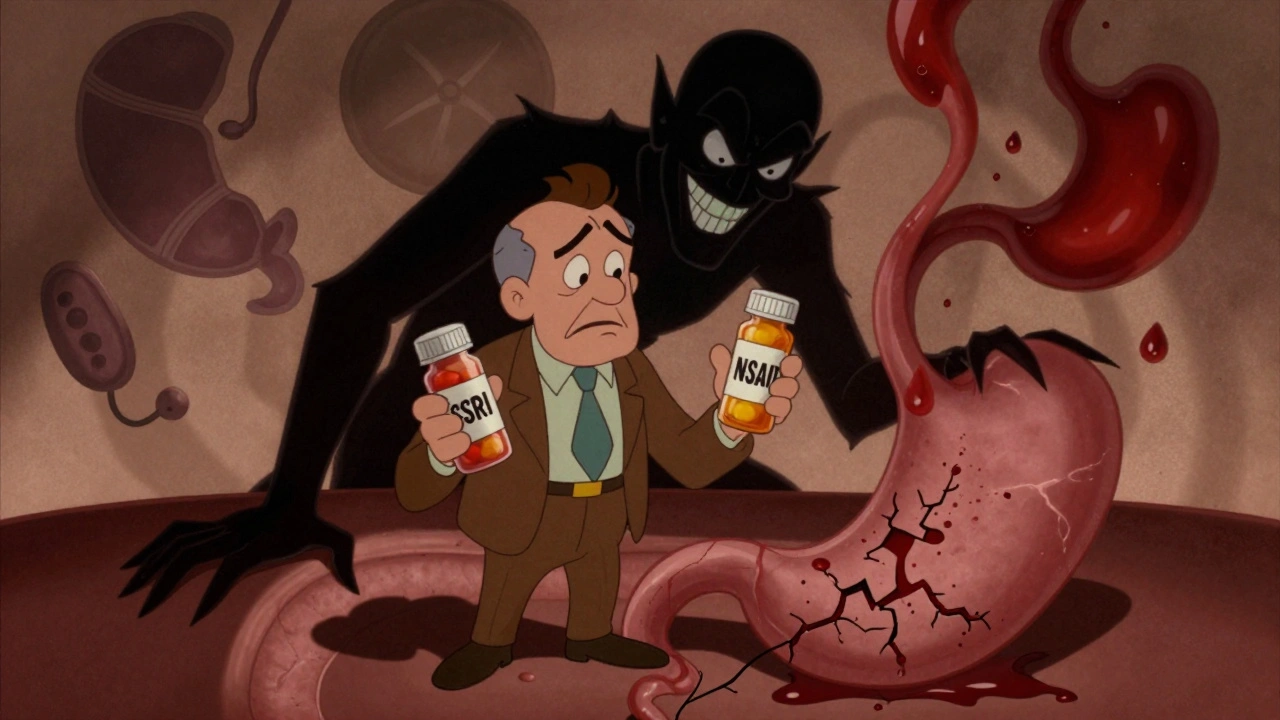
SSRIs with NSAIDs: How This Common Drug Combo Raises GI Bleeding Risk and How to Prevent It
Combining SSRIs and NSAIDs can raise your risk of serious stomach bleeding by 75%. Learn why this happens, who’s most at risk, and how to prevent it with safer pain relief and protective meds.
Popular posts