Compounding Pharmacy Safety: What You Need to Know About Custom Medications
When a medication isn't available off the shelf, compounding pharmacies, specialized pharmacies that create personalized medications from scratch. Also known as custom pharmacies, they mix drugs for patients with allergies, unique dosing needs, or discontinued products. This isn't science fiction—it's routine for people who can't swallow pills, need dye-free versions, or require a specific strength not made by big manufacturers. But compounding pharmacy safety isn't guaranteed. Unlike FDA-approved drugs, compounded medications don't go through the same testing. That means quality, purity, and accuracy can vary wildly depending on the pharmacy.
Not all compounding pharmacies are the same. Some follow strict sterile compounding, a high-risk process used for injections, IVs, and eye drops that must be free of bacteria or particles standards, while others cut corners. The FDA and state boards set rules, but enforcement is patchy. A single contaminated batch can cause outbreaks—like the 2012 fungal meningitis crisis that killed 64 people and sickened hundreds after a compounding pharmacy used unsterile ingredients. That’s why knowing where your medication comes from matters. Ask if the pharmacy is accredited by the PCAB, the Pharmacy Compounding Accreditation Board, which audits facilities for safety and quality. Check if they use FDA-registered ingredients and if their staff is trained in aseptic technique. If your doctor prescribes a compounded drug, don’t assume it’s safe just because it’s labeled "prescription."
Some patients rely on compounding for thyroid meds, hormone therapies, or pediatric doses, and for many, it’s life-changing. But mistakes happen—wrong strength, wrong ingredient, wrong mix. One study found over 1 in 5 compounded prescriptions had at least one error. That’s why you should always check the label, compare it to your prescription, and watch for unusual side effects. If your pill looks different or tastes odd, ask questions. Don’t buy compounded drugs from online pharmacies that don’t list a physical address or license number. And if you’re getting injections or IVs, make sure the pharmacy follows sterile protocols—no shortcuts.
Below are real patient stories, expert breakdowns, and hard facts about what goes into these custom meds—and what could go wrong. You’ll find guides on spotting unsafe practices, understanding regulatory gaps, and how to talk to your pharmacist about safety. Whether you’re taking a compounded version of a common drug or a rare hormone blend, this collection gives you the tools to protect yourself.
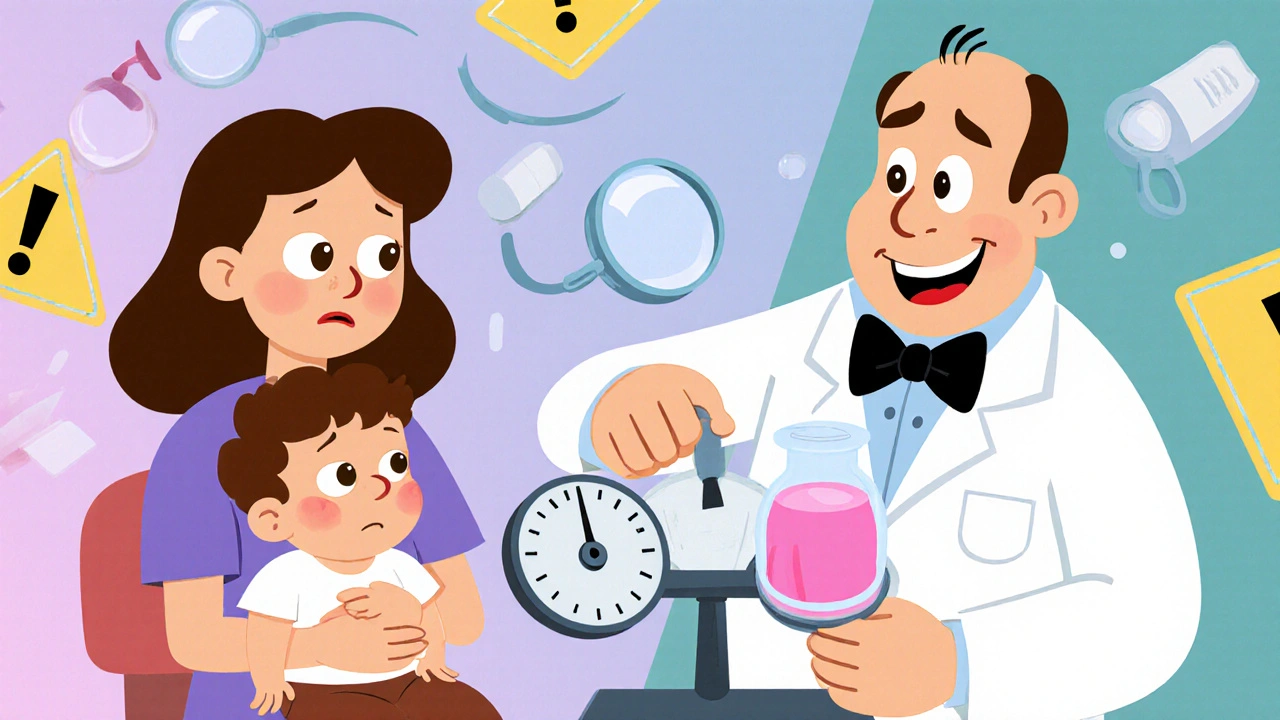
How to Use Compounded Medications for Children Safely
Compounded medications for children can be lifesaving-but only if made safely. Learn how to spot risky practices, verify pharmacy credentials, and prevent deadly dosing errors with clear, actionable steps.
Popular posts