Warfarin Interaction: What You Need to Know About Dangerous Drug Mixes
When you take warfarin, a blood thinner used to prevent clots in people with atrial fibrillation, artificial heart valves, or a history of deep vein thrombosis. Also known as Coumadin, it’s one of the most common prescription drugs that can turn dangerous if mixed with the wrong thing. Warfarin doesn’t just work on its own—it reacts with almost everything you take, eat, or even supplement. A simple change like starting a new painkiller, eating more kale, or switching to a different brand of multivitamin can throw your INR levels out of balance. That’s not a minor risk—it’s the difference between a clot forming and bleeding inside your brain or stomach.
Warfarin interaction happens because your liver uses the same enzymes to break down warfarin and dozens of other substances. Antibiotics, like amoxicillin or ciprofloxacin can slow warfarin breakdown, making it stronger and increasing bleeding risk. On the flip side, vitamin K, found in leafy greens like spinach and broccoli, directly fights warfarin’s effect. Too much vitamin K means your blood clots too easily. Even herbal supplements like ginkgo, garlic, or St. John’s wort can interfere—sometimes without any warning. And it’s not just pills and plants. Over-the-counter pain meds like ibuprofen or naproxen can irritate your stomach lining while warfarin thins your blood, turning a minor upset into a serious bleed.
What makes this even trickier is that you might not feel anything until it’s too late. No dizziness, no pain—just a sudden bruise, nosebleed, or dark stool. That’s why regular blood tests (INR) are non-negotiable. But tests alone won’t save you. You need to know what to avoid, when to call your doctor, and how to track changes in your routine. The posts below cover real cases: how fake online pharmacies sold people contaminated warfarin, why prescription label instructions like "take with food" matter more than you think, and how fluid retention from other meds can hide dangerous interactions. You’ll also find guides on spotting prescription errors, understanding how generics are tested for safety, and what to do if you’re on multiple drugs that could clash. This isn’t theoretical. People die from warfarin interaction every day—not because they’re careless, but because no one told them the full story. The information here is practical, tested, and focused on what actually keeps you alive.
Cranberry Juice and Medications: What You Really Need to Know
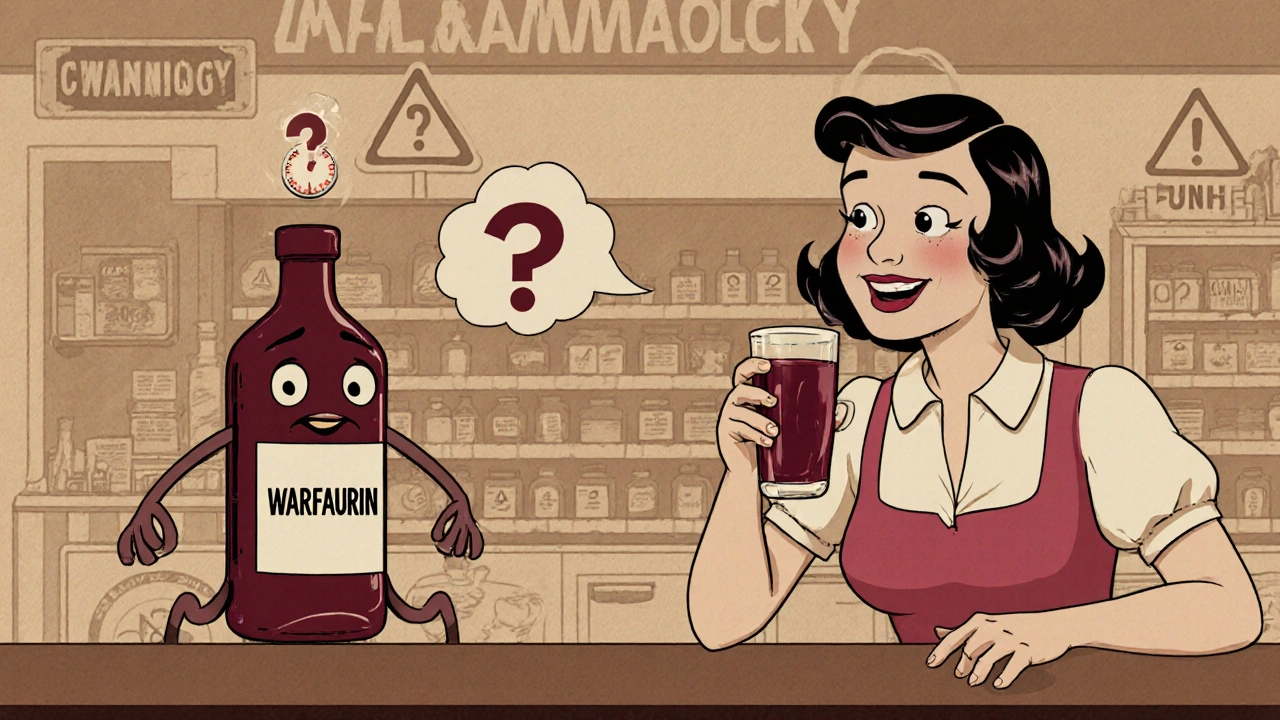
Cranberry juice doesn't interfere with most medications - except possibly warfarin. Learn the real risks, what studies actually show, and how to safely use it with antibiotics, statins, and other common drugs.
Popular posts