Safer Sleep for Elderly: Sleep Risks, Medications, and Practical Fixes
When it comes to safer sleep for elderly, the combination of aging bodies, multiple medications, and hidden side effects creates a unique risk zone. Also known as sleep safety for seniors, this isn’t just about falling asleep—it’s about waking up unharmed. Many seniors take five or more prescriptions daily. Some of those drugs quietly sabotage sleep: diuretics cause nighttime bathroom trips, blood pressure meds drop blood pressure too low when lying down, and even antihistamines meant for allergies can leave older adults groggy, confused, or prone to falls.
One major hidden danger is fluid retention, a side effect of common medications like NSAIDs, calcium channel blockers, and some diabetes drugs. This causes swelling in the legs and feet, which then moves upward at night, making it harder to breathe and disrupting sleep. It’s not just discomfort—it’s a trigger for nighttime awakenings and even heart strain. Another critical link is medication interactions, like how cranberry juice can boost the effect of warfarin, increasing bleeding risk during sleep. Or how mixing sleep aids with opioids or benzodiazepines can slow breathing to dangerous levels. These aren’t rare cases—they’re routine in households with multiple prescriptions.
And it’s not just what’s in the bottle. Many seniors misread their prescription label instructions, like taking a medication "with food" when they’re actually supposed to take it on an empty stomach. A simple mistake like this can change how fast a drug hits the bloodstream, leading to spikes in drowsiness right before bed—or worse, delayed effects that kick in hours later. Even something as basic as storing pills in a humid bathroom can make them less effective or break down into harmful compounds.
If you’re caring for an older adult, start by tracking every pill they take—not just the ones they say they use. Look for patterns: does confusion or unsteadiness happen after starting a new drug? Does swelling get worse at night? Is there a sudden change in how often they wake up? These aren’t just "normal aging" signs. They’re red flags tied directly to medication safety. The goal isn’t to stop all meds—it’s to make sure each one is still needed, properly timed, and not working against sleep.
Below, you’ll find real stories and science-backed fixes from people who’ve been there: how to spot dangerous drug combos, what to do when a pill causes swelling, why some "sleep aids" are riskier than insomnia itself, and how to read labels so you don’t accidentally poison your rest. This isn’t theory—it’s what works when every night counts.
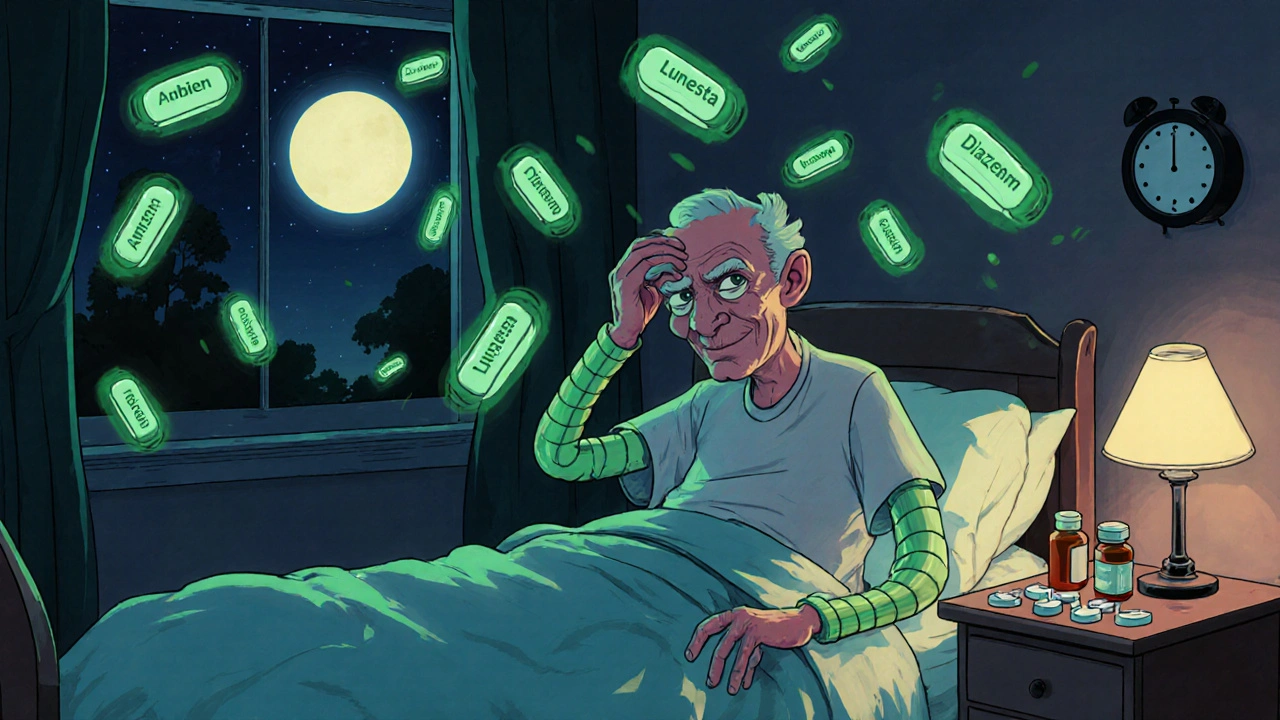
Sleep Medications and Sedatives in Seniors: Safer Sleep Strategies
Sleep medications for seniors carry serious risks like falls, confusion, and dementia. Learn why CBT-I is the safest first-line treatment and how to reduce or stop dangerous sleep pills safely.
Popular posts