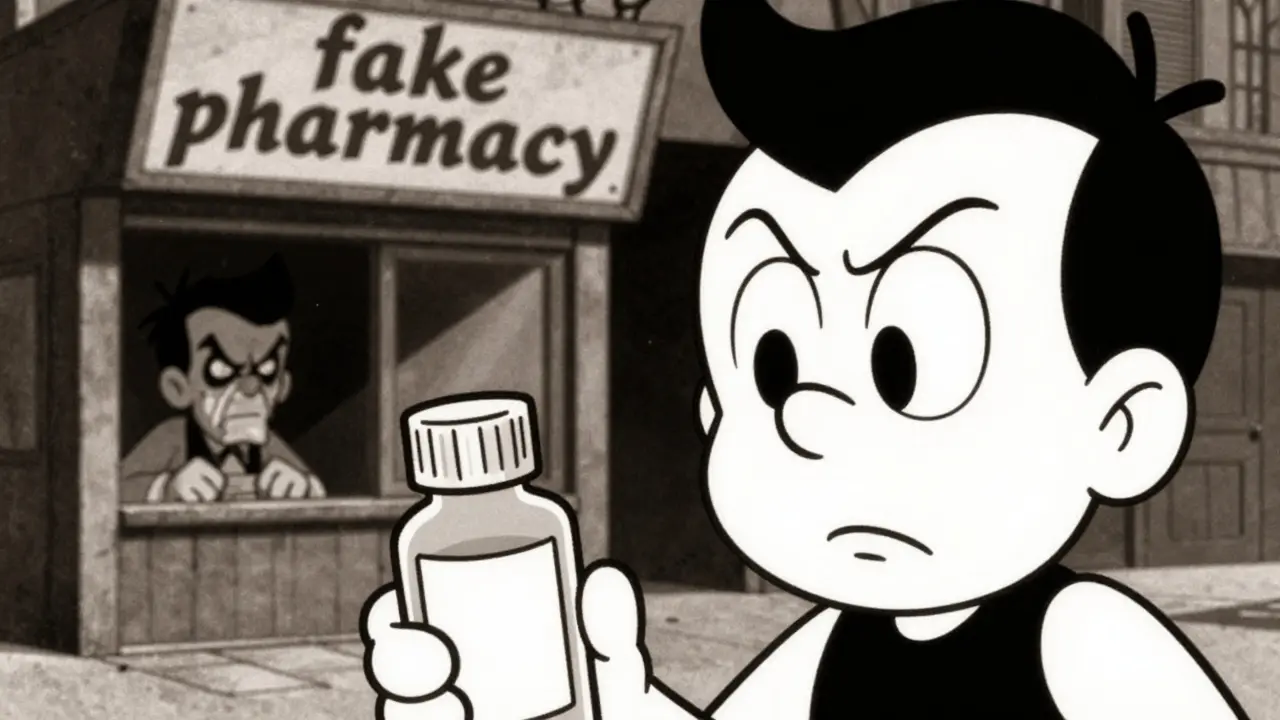
Bioequivalence Standards: What They Mean for Generic Drugs and Your Health
When you pick up a generic pill, you’re counting on it to do the same job as the brand-name version. That’s not luck—it’s bioequivalence standards, a set of scientific rules that prove generic drugs release the same amount of active ingredient at the same rate as the original. Also known as therapeutic equivalence, these standards are the reason your $4 generic blood pressure pill doesn’t suddenly stop working. The FDA doesn’t just accept claims—it tests them. Every generic drug must show it delivers the same amount of medicine into your bloodstream as the brand, within a narrow range. No guesswork. No exceptions.
These standards aren’t just about chemistry—they’re about your body. If a drug isn’t absorbed the same way, it won’t control your blood sugar, lower your cholesterol, or calm your seizures the same way. That’s why bioequivalence studies measure blood levels over time, not just the pill’s ingredients. It’s not enough for a generic to contain the same chemical. It must behave like the original inside you. This is why a generic version of a heart medication from one company might fail testing while another passes—even if both use the same active ingredient.
Behind every approved generic are unannounced inspections of manufacturing sites, batch testing, and strict rules on how the drug breaks down in your body. The FDA, the U.S. agency responsible for ensuring drug safety and effectiveness doesn’t rely on paper claims. They send inspectors to factories, check equipment, and review every step from raw powder to finished tablet. And they don’t stop once a drug is approved—they keep watching. If a generic suddenly starts causing more side effects, they pull it and investigate.
It’s easy to assume all generics are the same. They’re not. Some are made in facilities with outdated equipment. Others use fillers that change how fast the drug dissolves. That’s why bioequivalence standards exist—to filter out the risky ones. You don’t need to understand chromatography or dissolution profiles. You just need to know that if a generic has passed FDA bioequivalence testing, it’s been held to the same bar as the brand-name drug.
And it works. Millions of people take generics every day without issue. But that trust isn’t automatic. It’s built on science, enforcement, and transparency. When a drug maker claims bioequivalence, they’re not just making a marketing statement—they’re submitting to a legal and scientific requirement that can shut them down if they lie.
What you’ll find in the posts below are real stories about how these standards play out in practice: how a generic version of a thyroid drug caused problems because of filler differences, how the FDA caught a manufacturer skipping tests, why some patients feel different on generics, and how biosimilars are changing the game for complex medications. These aren’t abstract rules—they’re the invisible guardrails keeping your prescriptions safe, effective, and affordable.
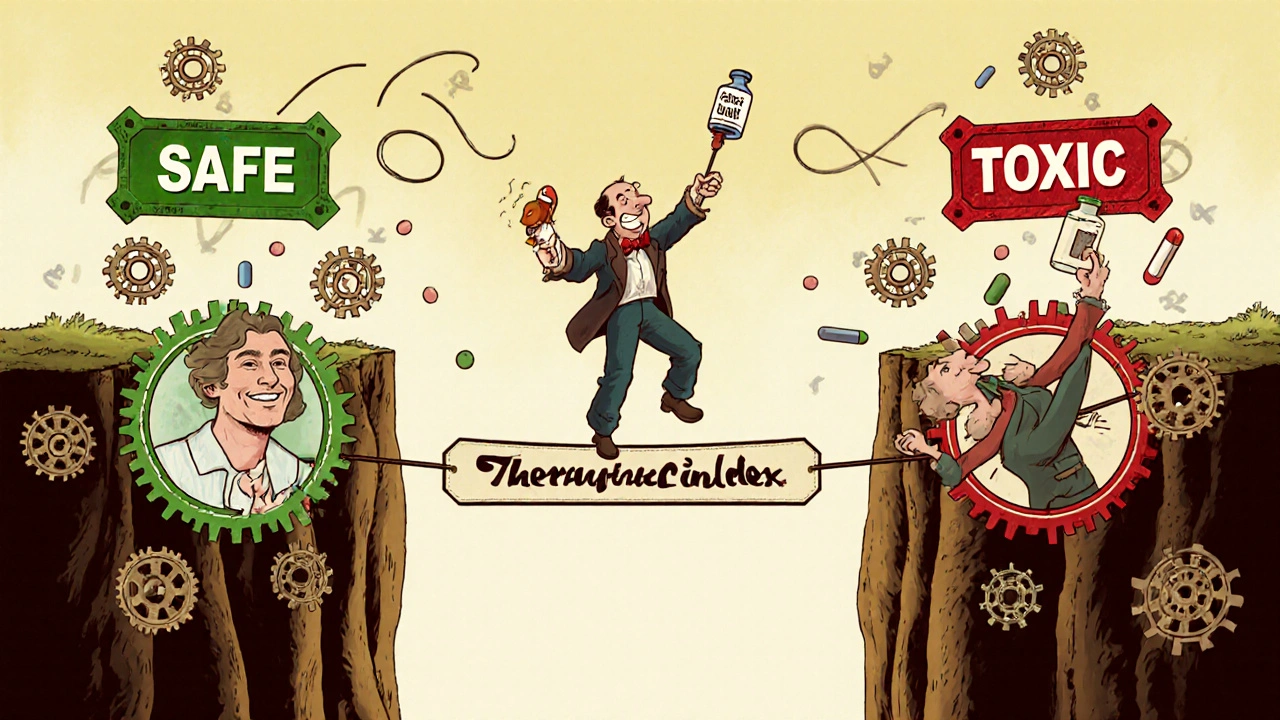
FDA Bioequivalence Standards for NTI Drugs: What You Need to Know
The FDA applies stricter bioequivalence standards for narrow therapeutic index (NTI) drugs like warfarin, phenytoin, and digoxin to prevent dangerous dosing errors. Learn how these rules differ from regular generics and what they mean for patients.
Popular posts