Beers Criteria Sleep Drugs: What You Need to Know Before Taking Them
When it comes to sleep drugs for older adults, not all medications are created equal. The Beers Criteria, a widely used list of potentially inappropriate medications for people 65 and older, updated regularly by the American Geriatrics Society flags several common sleep aids as high-risk—especially when used long-term. These aren’t just side effect warnings; they’re red flags for falls, confusion, memory loss, and even increased death risk in seniors. The Beers Criteria doesn’t say these drugs are useless—it says they’re often used when safer options exist, and their dangers outweigh benefits for older bodies.
Many of the sleep drugs flagged by the Beers Criteria belong to a class called benzodiazepines and non-benzodiazepine hypnotics—medications like diazepam, lorazepam, zolpidem, and zaleplon. These drugs work by slowing brain activity, which helps you fall asleep—but they also slow your reflexes, balance, and thinking. For someone over 65, that means a 20% higher chance of falling, and falls are the leading cause of injury-related hospital visits in this age group. Even worse, these drugs can cause daytime drowsiness that feels like normal aging, but is actually drug-induced brain fog. The Beers Criteria also warns against anticholinergic sleep aids like diphenhydramine (found in many OTC sleep aids), because they block a key brain chemical linked to memory and are tied to higher dementia risk over time.
What makes this even trickier is that many seniors take these drugs because they were prescribed years ago and never re-evaluated. Doctors may not realize the risks, or patients may be afraid to ask about stopping. But the Beers Criteria exists to change that. It’s not about banning sleep meds—it’s about making smarter choices. For example, melatonin or cognitive behavioral therapy for insomnia (CBT-I) are often more effective and far safer long-term. Even simple changes like better sleep hygiene, reducing evening caffeine, or getting morning sunlight can help. The Beers Criteria is a tool for patients and doctors to have real conversations—not just accept what’s written on a prescription label.
If you or someone you care about is taking a sleep drug regularly, especially one listed in the Beers Criteria, don’t assume it’s safe just because it’s been used for years. Ask your doctor: Is this still necessary? Are there safer alternatives? What happens if we try to reduce it? The posts below give you the details on specific drugs flagged by the criteria, how they affect older adults, and what real alternatives look like in practice. You’ll find clear comparisons, real-world risks, and steps you can take to protect your health without relying on pills that may be doing more harm than good.
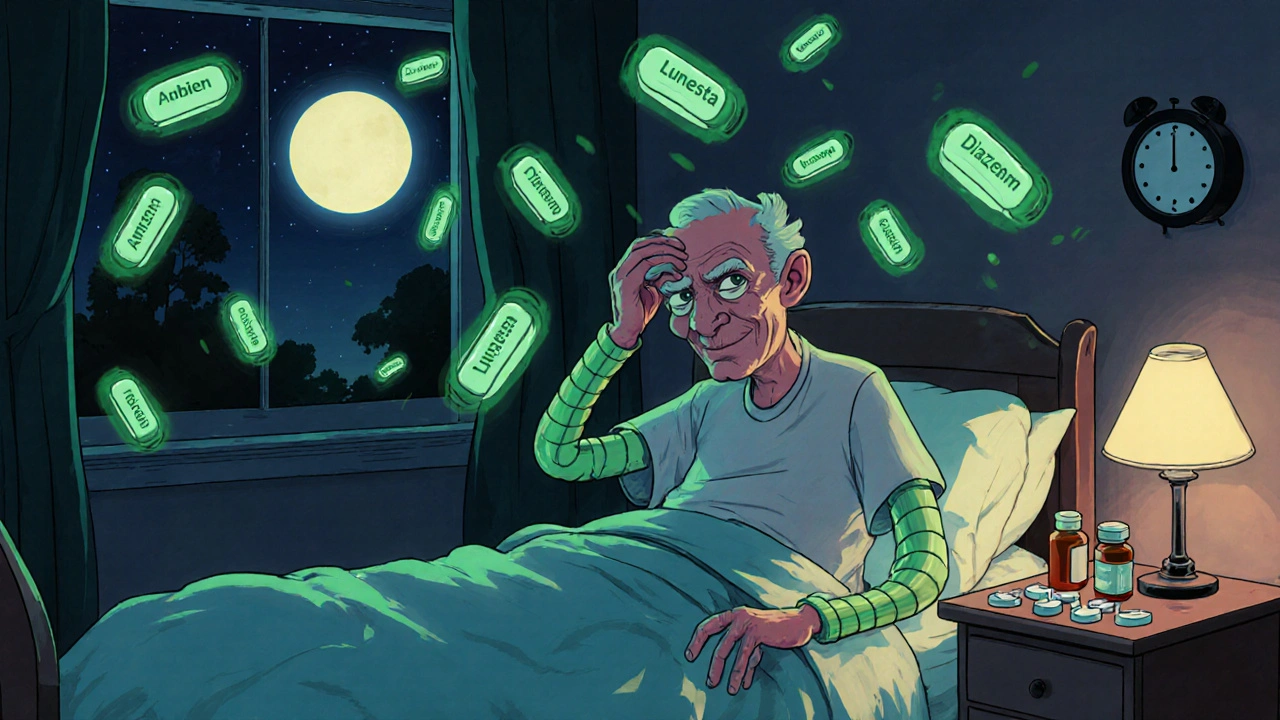
Sleep Medications and Sedatives in Seniors: Safer Sleep Strategies
Sleep medications for seniors carry serious risks like falls, confusion, and dementia. Learn why CBT-I is the safest first-line treatment and how to reduce or stop dangerous sleep pills safely.
Popular posts