
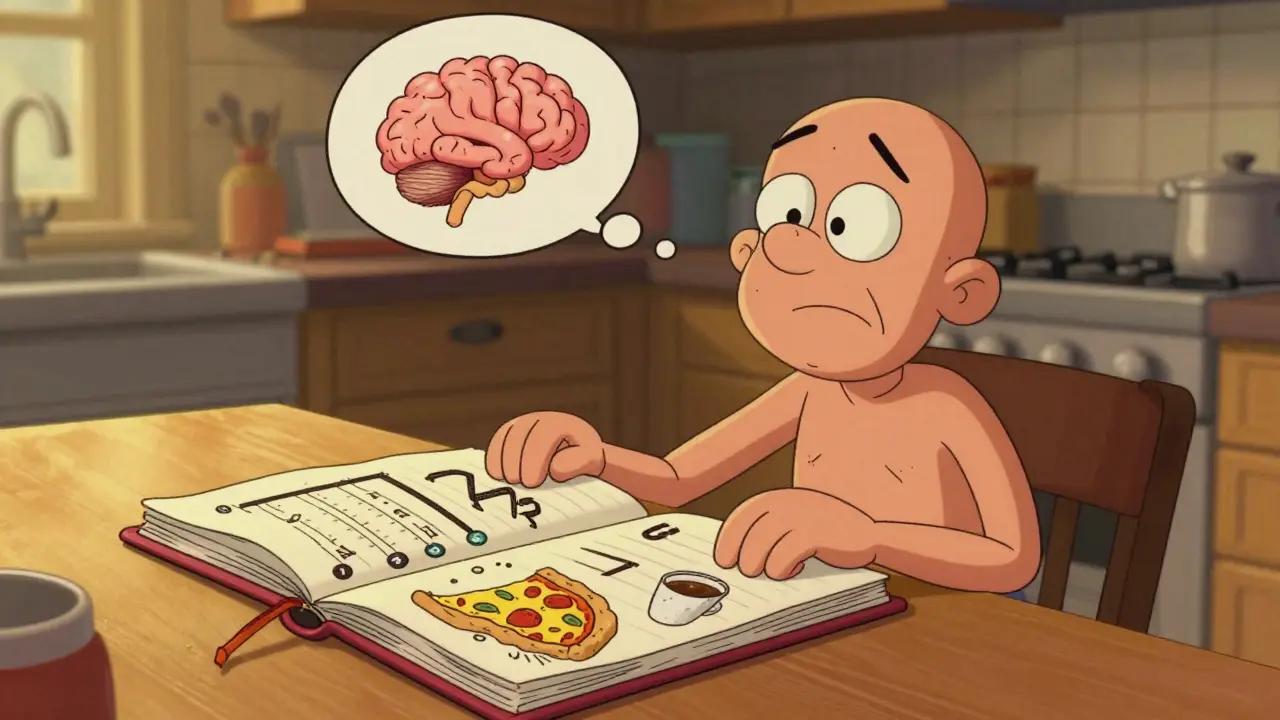
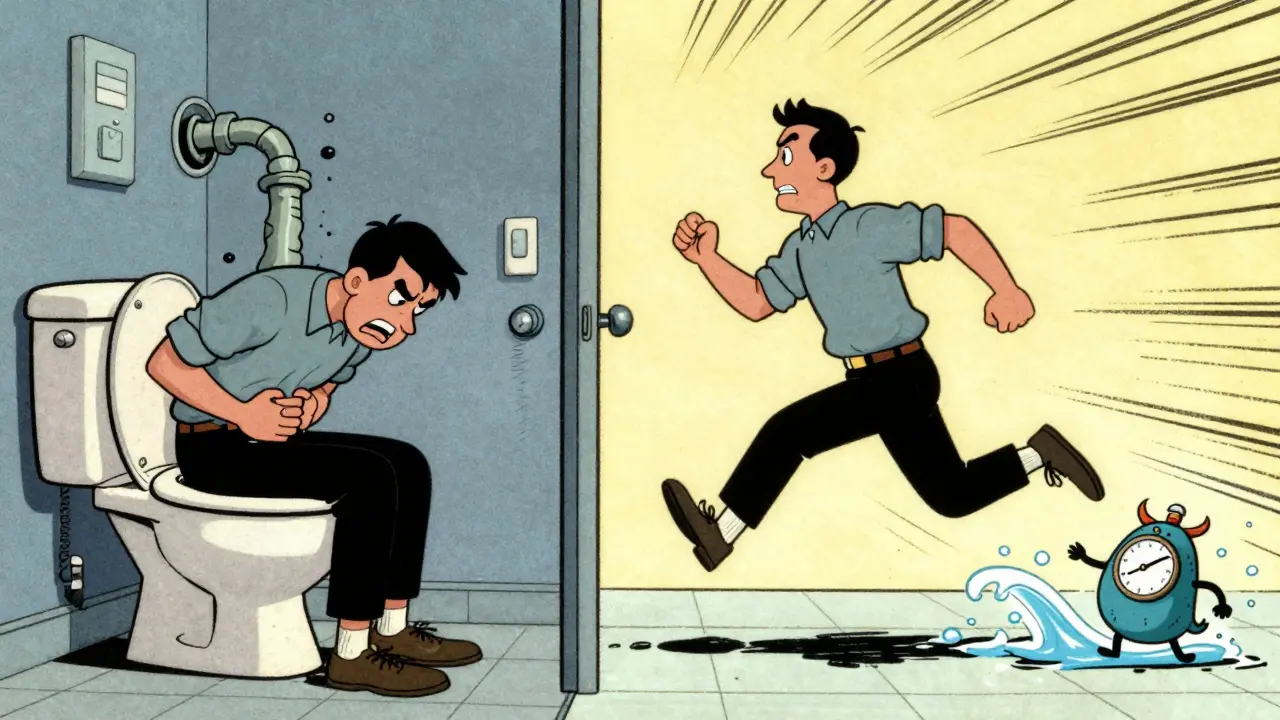
Living with IBS-Mixed means your body doesn’t know what it wants. One day you’re stuck on the toilet for hours, straining with hard stools. The next, you’re sprinting to the bathroom, barely making it in time. There’s no warning. No pattern. Just unpredictable, painful chaos. This isn’t just inconvenient-it’s exhausting. And if you’ve been told it’s "just stress" or "you’re too sensitive," you know better. IBS-Mixed (IBS-M) is a real, measurable condition recognized by the Rome IV criteria since 2016. It’s not in your head. It’s in your gut.
What Exactly Is IBS-Mixed?
IBS-Mixed is defined by alternating bowel habits: at least 25% of your stools are hard or lumpy (Bristol Stool Scale 1-2), and at least 25% are loose or watery (Bristol Stool Scale 6-7). You also have abdominal pain, on average, at least one day a week, for three months or more. The pain often eases after a bowel movement. Unlike Crohn’s or ulcerative colitis, there’s no inflammation, no bleeding, no tumors. But your gut is still misfiring-too slow, then too fast. Your nerves are hypersensitive. Your microbiome is out of balance. And your brain and gut aren’t talking properly.
It’s not rare. About 1 in 5 people with IBS have this mixed form. That’s millions worldwide. And yet, most people wait 6 to 7 years to get diagnosed. Why? Because doctors often look for something visible-like blood in stool or weight loss-and when they don’t find it, they dismiss it. But IBS-M is diagnosed by symptoms, not scans. You need a clear pattern, tracked over time.
Tracking Your Symptoms Is Non-Negotiable
You can’t manage what you don’t measure. If you’re not tracking your bowel movements, pain levels, and triggers, you’re guessing. And guessing doesn’t work with IBS-M.
Start with a simple log. For at least four weeks, write down:
- What your stool looked like (use the Bristol Stool Scale-types 1 to 7)
- When you had pain, and how bad it was (rate it 0 to 10)
- What you ate and drank the day before
- How stressed you felt that day
- Whether you took any medication or supplement
Studies show people who use digital apps like Cara Care improve symptoms 35% more than those using paper diaries. Why? Because patterns jump out when you see them visually. Maybe your pain spikes every time you eat pizza. Or your diarrhea flares after coffee on weekends. Maybe stress from work triggers constipation two days later. These aren’t coincidences-they’re clues.
The Low FODMAP Diet Works-But It’s Not a Cure
Of all the dietary approaches tested, the low FODMAP diet has the most solid evidence for IBS-M. A 2021 study in Gastroenterology found it helped 50-60% of IBS-M patients reduce pain and bloating. That’s better than most medications.
FODMAPs are short-chain carbs that ferment in the gut and pull water in, causing gas, bloating, and erratic bowel movements. High-FODMAP foods include onions, garlic, wheat, dairy (lactose), apples, honey, and artificial sweeteners like sorbitol.
The diet has three phases:
- Elimination (2-6 weeks): Cut out all high-FODMAP foods. Stick to low-FODMAP options like bananas, oats, rice, eggs, chicken, spinach, and lactose-free dairy.
- Reintroduction (8-12 weeks): Slowly add one high-FODMAP food back every 3 days. Watch for symptoms. This tells you exactly what triggers you.
- Personalization: Keep the foods you tolerate, avoid the ones that don’t.
Don’t do this alone. A registered dietitian who specializes in IBS is worth every dollar. Many people quit the diet because they’re too restrictive. But the goal isn’t to be perfect-it’s to find your personal tolerance. One person can handle a small amount of garlic. Another can’t. Only testing will tell you.
Medications Are Tricky-But They Can Help
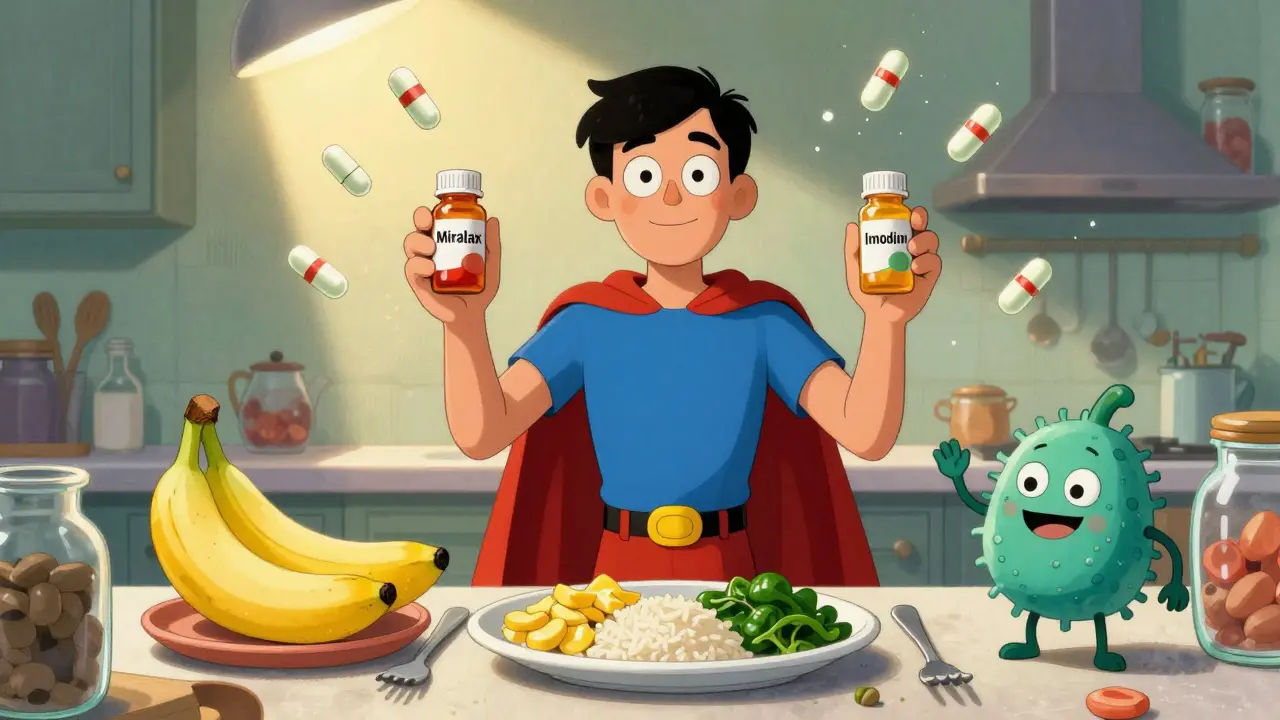
There’s no single pill for IBS-M. Why? Because what helps constipation makes diarrhea worse, and vice versa. That’s why most people need two medications on standby.
For constipation: Use a gentle osmotic laxative like polyethylene glycol (Miralax) at 17g daily. It pulls water into the colon without causing cramps. Avoid stimulant laxatives like senna-they can backfire and trigger diarrhea later.
For diarrhea: Loperamide (Imodium) works fast. Take 2-4mg only when you need it, not daily. Too much can lead to dangerous constipation or even bowel obstruction.
Antispasmodics like dicyclomine (10-20mg up to four times a day) can calm gut spasms and reduce pain. Many users report relief within 30 minutes. But they can cause dry mouth or dizziness-so don’t drive until you know how you react.
Antidepressants are often overlooked. Low-dose tricyclics (like amitriptyline 10-25mg at night) don’t treat depression-they help your brain stop overreacting to gut signals. Studies show they improve pain and bowel habits in 55-60% of IBS-M patients, better than any other drug class.
Peppermint oil capsules (IBgard) are another option. Enteric-coated, they release in the small intestine and relax gut muscles. In user surveys, 68% report less pain, 57% less bloating. Side effects? Sometimes heartburn. If that happens, take them with food.
Stress Isn’t the Cause-But It’s the Fuel
Stress doesn’t cause IBS-M. But it makes it worse. A 2019 study found 68% of IBS-M patients say stress triggers their flare-ups. That’s not coincidence. Your gut has its own nervous system-200 million neurons, second only to your brain. When you’re stressed, your body goes into fight-or-flight mode. Digestion shuts down. Or goes into overdrive.
Cognitive Behavioral Therapy (CBT) isn’t just for anxiety. It’s a proven tool for IBS. A 2021 review found CBT reduced symptom severity by 40-50% in IBS-M patients. It teaches you how to break the cycle: pain → fear → tension → more pain.
Other stress-reduction techniques work too:
- Diaphragmatic breathing (5 minutes, twice a day)
- Yoga or gentle stretching
- Mindfulness apps like Headspace or Calm
- Journaling before bed to unload worries
You don’t need to meditate for an hour. Five minutes of focused breathing before meals can calm your gut response. Try it for two weeks. You’ll notice the difference.
What Doesn’t Work-and Why
Many people try the wrong things because they’re desperate. Here’s what rarely helps-and sometimes makes things worse:
- Overusing loperamide: Taking it daily leads to constipation, bloating, and dependency.
- Extreme detoxes or cleanses: They strip your gut of good bacteria and worsen dysbiosis.
- Eliminating entire food groups without testing: Cutting out gluten without celiac disease? You might be missing out on fiber and nutrients.
- Waiting for a "magic pill": No single drug is FDA-approved for IBS-M. That’s why a combination approach works best.
Also, don’t trust every supplement on Amazon. Many are unregulated. Stick to brands with third-party testing (USP, NSF) and clinical backing. IBgard and VSL#3 (a specific probiotic) are backed by research. Most others? Not so much.
Real People, Real Results
On Reddit’s r/IBS community, users share what actually works:
- u/SarahIBS2022: "After 3 months on low FODMAP and daily peppermint oil, my symptom days dropped from 25 to 8 per month. I can travel now. I’m not scared to leave the house."
- u/JeffIBS_Mixed: "I started taking 10mg amitriptyline at night. It didn’t make me sleepy, but the pain? Gone. I didn’t even know how bad it was until it disappeared."
- u/Lisa_GutWarrior: "I use psyllium husk (5g daily) for constipation days and loperamide only for diarrhea. I keep both in my purse. It’s not perfect, but it’s manageable."
These aren’t outliers. They’re people who learned how to listen to their bodies.
The Road Ahead: What’s New in 2026
Research is moving fast. In 2023, a new drug called ibodutant showed 45% symptom improvement in IBS-M patients-nearly double the placebo effect. It’s not on the market yet, but phase 3 trials are complete. It targets the nerve pathways involved in pain and motility, making it a potential game-changer.
Microbiome testing is also getting smarter. Companies like Viome use AI to analyze your gut bacteria and suggest personalized diets. Early results show 58% symptom reduction in pilot studies. While expensive now, prices are dropping. By 2028, this could be standard care.
The Rome Foundation is updating its criteria in 2024. The new Rome V guidelines will require alternating stools in at least 30% of bowel movements-not 25%. That means stricter diagnosis, better research, and eventually, more targeted treatments.
You’re Not Alone-And You Can Get Better
IBS-Mixed is not a life sentence. It’s a complex puzzle, but one you can solve. It takes time, patience, and a system-not a miracle. Track your symptoms. Test your food. Calm your nervous system. Use the right tools at the right time. And don’t settle for vague advice like "eat more fiber" or "avoid stress." That’s not helpful. You need specifics.
Start today. Pick one thing: start a symptom diary. Try one low-FODMAP meal. Take peppermint oil for three days. Small steps lead to big changes. You’ve already taken the hardest step-you’re looking for answers. Now go find them, one day at a time.
Can IBS-Mixed turn into Crohn’s disease or ulcerative colitis?
No. IBS-M is a functional disorder-it doesn’t cause inflammation or damage to the intestinal lining. Crohn’s and ulcerative colitis are inflammatory diseases with visible tissue damage, detectable through blood tests, colonoscopies, and biopsies. If you’re worried, get tested for celiac disease, inflammatory markers (CRP), and stool calprotectin. If those are normal and your symptoms match IBS-M criteria, you don’t have IBD.
Why do I feel fine one day and awful the next?
IBS-M is driven by gut-brain axis dysfunction. Your gut nerves are overly sensitive, and your nervous system reacts unpredictably to triggers like food, stress, or hormones. One day, your gut motility slows down (constipation). The next, it speeds up (diarrhea). This isn’t random-it’s your body’s way of overreacting to normal stimuli. Tracking helps you spot patterns, even if they’re subtle.
Is the low FODMAP diet permanent?
No. The elimination phase is temporary-usually 2 to 6 weeks. The goal is to identify your personal triggers, then reintroduce tolerable FODMAPs. Most people end up eating a mostly low-FODMAP diet, but not strictly. You might be able to have a small serving of garlic or a banana without issues. The key is personalization, not perfection.
Can probiotics help IBS-Mixed?
Some can. Not all probiotics are the same. VSL#3 and Bifidobacterium infantis 35624 (Align) have clinical evidence for IBS. They help balance gut bacteria and reduce bloating. But many store-bought probiotics contain strains that haven’t been tested for IBS. Look for products with specific strain names and clinical studies backing them. Avoid ones with high-FODMAP prebiotics like inulin.
Why do I get worse during my period?
Hormones affect gut motility. Estrogen and progesterone levels drop right before your period, which can slow digestion (leading to constipation) or increase sensitivity (leading to diarrhea). Many women with IBS-M notice symptom shifts tied to their cycle. Tracking your symptoms alongside your period can help you anticipate and manage flares-maybe by adjusting fiber, hydration, or stress management during those days.
Should I take fiber supplements?
Yes-but only soluble fiber. Psyllium husk (Metamucil) is ideal. It absorbs water, softens stools for constipation, and adds bulk without irritating the gut. Avoid insoluble fiber like wheat bran-it can worsen bloating and gas. Start with 5g daily and increase slowly. Drink plenty of water. Too much fiber too fast can trigger diarrhea.
How long does it take to see improvement?
Most people notice small changes in 2-4 weeks with dietary changes or peppermint oil. For antidepressants, it can take 4-6 weeks to build up in your system. CBT usually shows results after 8-12 sessions. The full picture takes 3-6 months. Don’t give up if you don’t see results in a week. IBS-M is slow to respond-but consistent effort pays off.
Can I still eat out or travel with IBS-Mixed?
Absolutely. Plan ahead. Pack low-FODMAP snacks (rice cakes, hard-boiled eggs, bananas). Carry loperamide and polyethylene glycol in your bag. Choose restaurants with simple menus-grilled chicken, steamed veggies, plain rice. Ask for sauces on the side. Avoid garlic, onions, and creamy dressings. Many people with IBS-M travel successfully-they just plan better.

SWAPNIL SIDAM
This post saved my life. I’ve been suffering for 8 years and no doctor ever explained it like this.
Finally someone gets it.
Betty Bomber
I started tracking with Cara Care last month. My pain scores dropped from 8/10 to 3/10 in 3 weeks.
Low FODMAP was brutal at first, but now I can eat sushi without panic.
It’s not perfect, but it’s livable.
Mohammed Rizvi
Let’s be real - most of us are just guessing until we hit the jackpot of triggers.
One guy swears by peppermint oil, another by cold showers and yoga.
Meanwhile, I’m just eating rice and chicken like a caveman and calling it a win.
It’s not science, it’s survival.
And honestly? That’s fine.
eric fert
Look, I appreciate the effort, but this reads like a pharmaceutical marketing brochure wrapped in a wellness blog.
Low FODMAP? Sure, it works for some - but only because it’s essentially a starvation diet with fancy labels.
And amitriptyline? A 1960s antidepressant repurposed because Big Pharma ran out of new ideas.
Meanwhile, the real issue - gut dysbiosis from glyphosate-laden food, over-sanitized environments, and chronic cortisol overload - gets buried under bullet points.
You’re treating symptoms like a mechanic fixing a check engine light without checking the engine.
And don’t get me started on ‘IBgard’ - it’s just peppermint oil in a capsule with a $40 price tag because ‘clinical backing’ sounds better than ‘herbal remedy’.
Meanwhile, the microbiome research that could actually fix this is being ignored because it doesn’t fit the pill-based model.
It’s all placebo and profit wrapped in a pretty infographic.
Ryan W
According to the Rome IV criteria, IBS-M requires 25% of stools to be Bristol 1-2 and 25% to be 6-7. This post misrepresents the diagnostic standard as a flexible guideline.
Furthermore, the claim that "millions worldwide" have IBS-M is statistically inflated without citing WHO or CDC prevalence data.
Also, the endorsement of digital apps like Cara Care without disclosing their funding sources is ethically questionable.
Medical advice must be evidence-based, not anecdotal.
And peppermint oil? Not FDA-approved for IBS. It’s a supplement. Regulation is minimal.
Stop giving false hope with cherry-picked Reddit testimonials.
George Rahn
There is a metaphysical truth here that transcends the biochemical.
Our gut is not merely an organ - it is the seat of our emotional memory, the silent witness to every suppressed tear, every unspoken fear.
When the body rebels in alternating chaos, it is not malfunctioning - it is screaming.
The brain and gut are one system, and modern medicine, blinded by reductionism, has forgotten this.
Pharmaceuticals are bandages on a wound that needs to be heard, not numbed.
Perhaps the cure is not in the pill, but in the pause - in the breath before the meal, in the silence before the stress.
We have forgotten how to listen to our own flesh.
And in that forgetting, we have turned suffering into a product to be sold.
Ashley Karanja
Just wanted to say thank you for this - I’ve been using VSL#3 and diaphragmatic breathing for 6 weeks now, and the difference is night and day.
Also, I started journaling before bed and realized my worst flare-ups always follow arguments with my partner - not the food, not the stress *in general*, but *specific* emotional triggers.
CBT was a game-changer, but only because my therapist helped me map the patterns, not just "be less stressed".
Also, psyllium husk at night with water? Absolute magic for constipation days.
And yes, I cry sometimes when I think about how long it took to get here.
You’re not alone. I see you.
Karen Droege
Let me tell you something: if you’re still eating gluten-free bread and calling it a win, you’re wasting your time.
Low FODMAP isn’t about cutting out wheat - it’s about cutting out the *fermentable crap* that turns your gut into a gas factory.
And no, probiotics from Walmart aren’t going to fix your microbiome.
Use VSL#3 or Align - the ones with the *actual strains* studied in peer-reviewed journals.
Also, if you’re taking loperamide daily, you’re creating a dependency loop that’ll turn you into a constipated zombie.
And for god’s sake, stop googling "IBS miracle cure" on Amazon.
Most of those supplements are sugar and placebo with a fancy label.
Track. Test. Adjust. Not guess. Not follow influencers.
This isn’t TikTok. It’s your colon.
Napoleon Huere
I think we’re missing the bigger picture here.
IBS-M isn’t just a gut problem - it’s a symptom of our disconnected modern life.
We eat fast, move little, sleep poorly, and never sit with our emotions.
The gut is the first organ to feel the weight of that disconnection.
So yes, low FODMAP helps - but so does walking in nature, talking to a friend, crying without shame.
Maybe the real treatment isn’t in the diet - it’s in the restoration of rhythm.
We’ve been taught to fix our bodies with pills, but what if the body already knows how to heal?
It just needs space.
And quiet.
And time.
Shweta Deshpande
I was diagnosed with IBS-M 5 years ago and thought I’d never travel again.
Now I’ve been to Thailand, Mexico, and even did a 3-week road trip across the US.
My tricks? Always pack psyllium and Imodium. Eat rice, bananas, and grilled chicken when I’m unsure. Avoid dairy and onions like they’re poison (because they kind of are).
And I carry a small notebook - not for apps, just pen and paper.
It’s not glamorous, but it works.
You’ve got this. One meal at a time.
Aishah Bango
Anyone who recommends amitriptyline for IBS is either ignorant or selling something.
Antidepressants are for depression, not digestive issues.
This is just medical gaslighting dressed up as science.
And the low FODMAP diet? It’s an eating disorder waiting to happen.
People don’t need more restrictions - they need to eat real food, not fear every bite.
Stop pathologizing normal variation in bowel habits.
Maybe you just need to stop stressing about your poop.
Simran Kaur
As someone from India, I can tell you - our grandmothers knew this long before FODMAPs were a thing.
Boiled rice, yogurt, ginger tea, and no spicy food during flare-ups.
They didn’t need apps or pills - just tradition, patience, and a warm belly.
Maybe the answer isn’t in Western medicine’s latest trend, but in the wisdom we’ve forgotten.
Also, turmeric in warm milk at night? Best thing I’ve ever done for my gut.
Simple. Safe. Effective.
Jessica Knuteson
This post is overly long and lacks real data. Most of the claims are unsupported. Peppermint oil? Not proven. CBT? Maybe. But don’t treat anecdotes as evidence. Also, why is there no mention of SIBO? That’s the real culprit for most IBS cases. This is misinformation disguised as help.
Angie Thompson
I just started the low FODMAP diet and already feel 50% better!
Also, I’m using the Calm app for 5 minutes before every meal - it’s like a reset button for my gut.
And guess what? I can eat a banana again 🍌
It’s not perfect but I’m finally not terrified of leaving the house.
Thank you for this post - I cried reading it.
You’re not alone 💛
rasna saha
I’ve been doing the reintroduction phase for 3 weeks now.
Turns out, I can tolerate small amounts of garlic - just not in sauce.
And onions? Still no.
But now I know.
That’s the power of tracking.
Don’t quit. You’re closer than you think.
Betty Bomber
Just read your comment about garlic - I had the same thing!
I thought I couldn’t handle any, but turned out, 1 clove roasted in olive oil is fine.
Reintroduction is magic.
Thanks for sharing.