Insomnia Treatment for Older Adults: Safe, Effective Options You Can Trust
When insomnia treatment for older adults, the approach to fixing sleep problems in people over 65 that considers age-related changes in biology, medication use, and lifestyle. Also known as sleep disorder management in seniors, it isn’t just about sleeping pills—it’s about fixing the root causes that come with aging. About 40% of adults over 65 struggle with sleep, not because they need less rest, but because their bodies change. Circadian rhythms shift, melatonin production drops, and medical conditions like arthritis, heart disease, or prostate issues make lying still harder. Many turn to sleep meds, but those often make things worse over time—increasing fall risk, confusion, and even dementia risk.
That’s why the best non-drug insomnia remedies, evidence-based behavioral and environmental changes that improve sleep without medication are the first line of defense. Things like keeping a consistent wake-up time—even on weekends—help reset the body clock. Avoiding caffeine after noon, getting morning sunlight for 20 minutes, and cutting screen time before bed aren’t just advice—they’re biological necessities. Studies show cognitive behavioral therapy for insomnia (CBT-I) works better than pills for seniors, with results lasting years. And it’s not magic: it’s about training your brain to stop associating bed with worry.
Then there’s melatonin for older adults, a natural hormone supplement often used to help reset sleep timing in seniors whose bodies produce less of it. Unlike prescription sleep aids, melatonin doesn’t cause grogginess or dependency. But it’s not a cure-all—timing matters. Taking it too early or too late can throw off your rhythm even more. Most seniors need just 0.3 to 1 mg, taken 2 hours before bed. Too much? You’ll feel foggy the next day. And don’t assume all supplements are equal—many over-the-counter brands contain way more than labeled, or even contaminants.
Prescription sleep aids like zolpidem or benzodiazepines are still prescribed, but they’re risky for seniors. They slow breathing, lower blood pressure, and increase fall risk by 50%. Many doctors now avoid them unless other options fail—and even then, they use the lowest dose for the shortest time. Meanwhile, untreated insomnia can make diabetes, high blood pressure, and depression worse. That’s why fixing sleep isn’t a luxury—it’s part of managing your health.
What you’ll find below are real, practical guides written for people who’ve tried the usual advice and still can’t sleep. We cover what medications actually help without the side effects, how to spot fake sleep supplements, how to read prescription labels for sleep drugs, and why some common remedies—like warm milk or herbal teas—might be doing more harm than good. No fluff. No guesswork. Just what works for older bodies, backed by science and real experience.
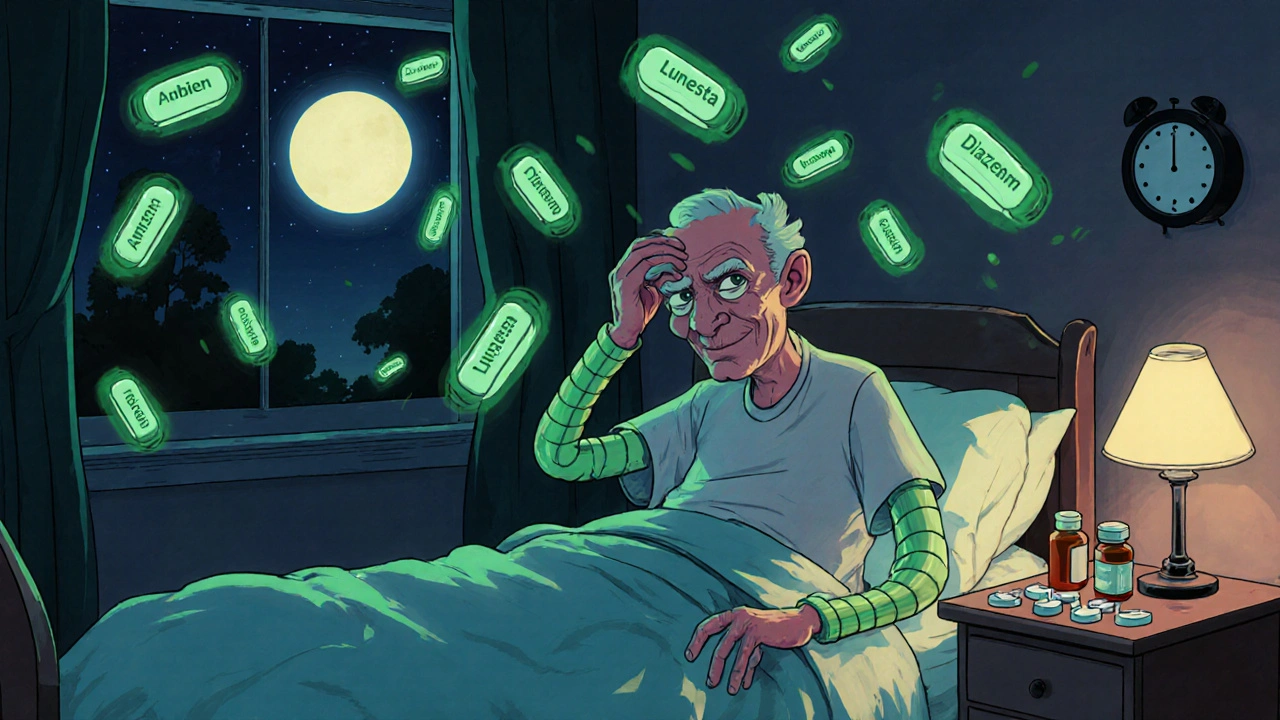
Sleep Medications and Sedatives in Seniors: Safer Sleep Strategies
Sleep medications for seniors carry serious risks like falls, confusion, and dementia. Learn why CBT-I is the safest first-line treatment and how to reduce or stop dangerous sleep pills safely.
Popular posts