

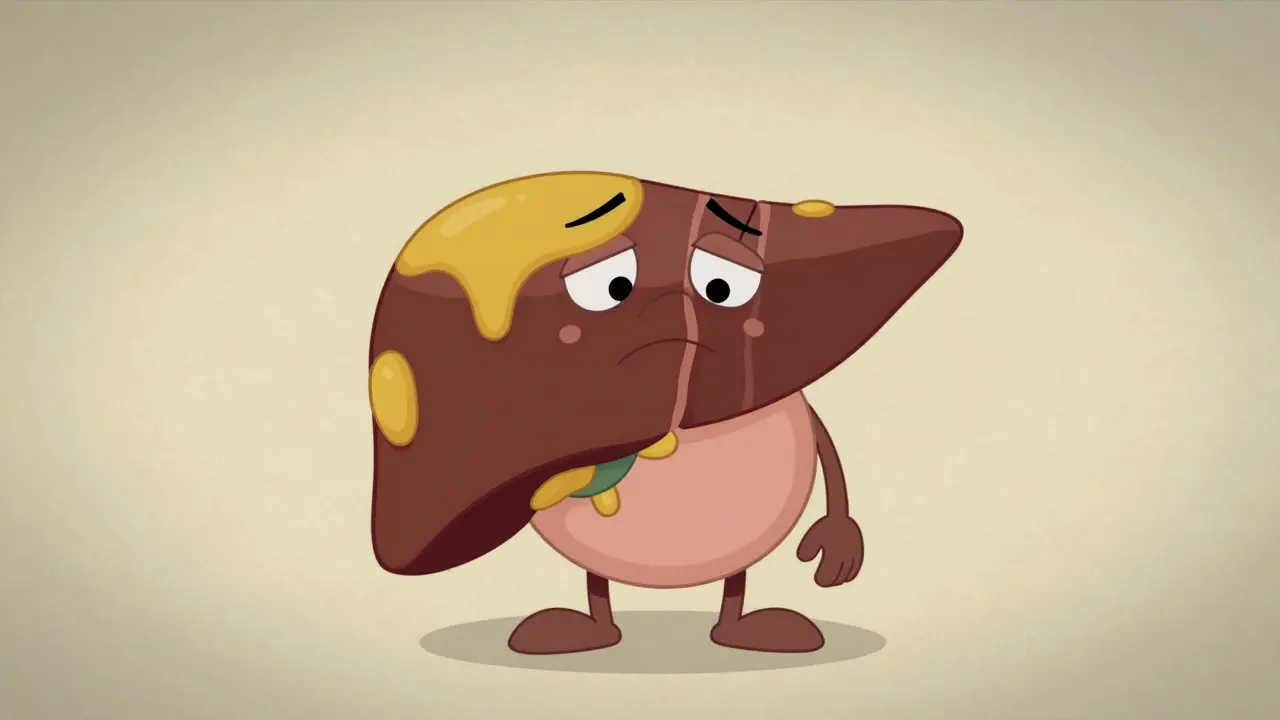
You take the pill, you feel better in hours. The swelling goes down, the pain fades, breathing gets easier. But then, three months later, your clothes don't fit right, you can't sleep, or your bones ache without reason. Corticosteroids is a class of powerful anti-inflammatory drugs that mimic natural hormones. Also known as glucocorticoids, these medications treat everything from severe asthma attacks to aggressive autoimmune diseases. While they save lives, long-term use comes with a price tag that many aren't prepared for. The goal isn't always to stop them immediately-that can be dangerous-but to build a shield around your body while you're on them.
Why Your Body Reacts Strongly
To understand why side effects happen, you have to see how these drugs work inside you. They tell your immune system to stand down, essentially hitting the pause button on inflammation. However, because they act on receptors found all over your body-not just in the inflamed joint or lung-they change how your metabolism runs. About 2% to 3% of the general population takes these drugs regularly. For someone with rheumatoid arthritis or chronic asthma, this isn't optional; it's a necessity. Yet, experts like Dr. John H. Stone from Massachusetts General Hospital warn that there is no truly safe dose for long-term use if you ignore the ripple effects.
The timing matters too. If you pop a single 40 mg Prednisone is a common oral corticosteroid used to treat inflammation. tablet for an allergic reaction, you might get hives back in days. That's different from taking a daily low dose for a year. The longer you stay on board, the more your adrenal glands shut down their own production, waiting for the drug to keep things running. That creates a dependency we call suppression, and managing it requires specific medical support strategies.
Recognizing the Most Dangerous Risks
Most people worry about weight gain, but bone loss is a silent killer. Studies show that long-term users have a 30% to 50% higher chance of osteoporosis, leading to fractures that heal poorly. It doesn't ask permission before starting either; women over 50 and post-menopausal individuals are hit hardest, but men lose density too. Another major player is blood sugar control. Up to 25% of patients develop insulin resistance, sometimes spiraling into type 2 diabetes even if they've never had it before.
- Blood Pressure Spikes: Fluid retention pushes pressure against heart valves, requiring weekly checks if you escalate doses.
- Mood Shifts: From mild irritability to severe depression or mania-steroids flood the brain with cortisol-like signals.
- Infection Risk: Because immunity is dampened, you could catch common viruses faster than a healthy person.
- Skin Thinning: Frequent bruising and delayed wound healing are common signs of collagen breakdown.
If you notice sudden dizziness upon standing, extreme fatigue, or nausea, those are red flags for adrenal crisis. That happens if the dose drops too fast or during high stress. Knowing the symptoms early saves lives.

Building Your Supportive Therapy Toolkit
You can't undo the medication's job, but you can patch the cracks it creates. Think of this as maintenance work on a bridge you live on. The Hospital for Special Surgery suggests starting supplements day one if therapy exceeds three months.
Bone Protection Protocol
Calcium and Vitamin D are non-negotiable companions here. Aim for 1,200 mg of calcium daily through diet or pills. Pair that with 800 to 1,000 IU of Vitamin D to help absorption. Foods like leafy greens, dairy, and fortified cereals help, but pills often fill the gap when appetite is low due to gastric distress from the meds. Some doctors also prescribe bisphosphonates like alendronate to actively rebuild bone density if risk factors are high.
Gastrointestinal Defense
Stomach ulcers are a real threat when mixing steroids with NSAIDs like ibuprofen. Take your pill with food to coat the lining. Many practitioners now prescribe proton pump inhibitors (like omeprazole) for patients on medium-to-high doses continuously to prevent bleeding issues.
| Check Item | Frequency | Action Required |
|---|---|---|
| Blood Pressure | Weekly | Measure at home; alert doctor if >140/90 mmHg |
| Blood Sugar | Every 3 Months | Fasting glucose test and annual HbA1c screening |
| Bone Density | Annually | DEXA scan to track osteoporosis progression |
| Eye Health | Every 12 Months | Check for cataracts or glaucoma development |
How to Taper Off Safely
Rushing the exit is the biggest mistake patients make. Once you feel better, your instinct is to quit, but your adrenals might have stopped working entirely. Withdrawing suddenly can trigger adrenal crisis, a life-threatening drop in blood pressure. The standard rule is to cut by 2.5 to 5 mg every week until you reach lower doses, then slow down further-dropping just 1 mg every two weeks is often safer near the bottom.
If you get sick with a fever or surgery while tapering, you may need a "stress dose" temporarily. This means briefly spiking the steroid level again so your body survives the shock. Always carry a steroid card in your wallet stating your dosage history. Emergency room staff need to know this immediately to avoid withholding critical treatment during a crisis.

Alternatives and Future Options
We are moving toward smarter tools. While traditional DMARDs like methotrexate take months to kick in, they spare your bones and pancreas compared to steroids. Biologics targeting TNF-alpha cost more upfront-often thousands per month-but they reduce the cumulative harm over decades. New trials are testing selective receptor modulators that target inflammation without messing with bone metabolism. Within five years, genetic testing might tell us exactly how sensitive your cells are to these drugs, allowing doctors to customize the lowest effective dose instantly.
For now, the strategy remains balance. Monitor, supplement, and adjust. Work with a specialist who understands that keeping you alive involves more than just treating the initial disease flare. Your health depends on recognizing that the cure shouldn't cost you your well-being elsewhere.
Frequently Asked Questions
Can I stop taking corticosteroids if my symptoms are gone?
Never stop abruptly. Your body relies on them after extended use, and sudden cessation can cause fatal adrenal crisis. You must taper slowly under a doctor's supervision.
Is weight gain inevitable with steroid use?
It is very common, affecting 50% to 70% of users, due to fluid retention and appetite changes. Strict sodium restriction and monitoring carbohydrate intake can help manage mass gain.
What foods help counteract steroid side effects?
Focus on potassium-rich foods like bananas and spinach to combat fluid retention, and calcium-fortified dairy or green vegetables to protect bone density.
Do I need to take antibiotics if I get a bad cold?
Not necessarily, but infections are taken more seriously. Your immune system is dampened, so a simple virus can turn severe faster than usual. Seek advice early if symptoms worsen.
Will the bone damage reverse after stopping?
Some recovery occurs once dosing stops, but some structural weakness may remain permanent. Early intervention with bisphosphonates prevents the most serious losses.
Beccy Smart
Better just live with it honestly 😐
Christopher Curcio
The pharmacological cascade initiated by glucocorticoid receptor activation triggers downstream effects across multiple organ systems requiring comprehensive monitoring protocols.
Adrenal cortical suppression creates iatrogenic hypercortisolism states that necessitate gradual dose titration during withdrawal phases to prevent life-threatening hypocortisolism crises.
Bisphosphonate prophylaxis should commence immediately when prednisone equivalents exceed 7.5mg daily administered over three month periods minimum.
Vitamin D supplementation at therapeutic doses rather than maintenance levels proves more effective for mineral density preservation in steroid-dependent patients.
Gastrointestinal mucosal integrity requires proton pump inhibitor co-administration particularly when NSAID use concurrently occurs with high-dose steroid therapy.
Moderate sodium restriction combined with potassium supplementation helps counteract fluid retention phenomena that contribute to hypertension development.
Regular ophthalmologic screening detects early cataract formation and intraocular pressure elevation before visual impairment becomes irreversible.
Mental health assessment must occur monthly since mood lability affects treatment adherence and quality of life substantially during prolonged courses.
Blood glucose monitoring frequency increases proportionally with cumulative steroid exposure especially in patients with prediabetic conditions present.
Dexa scan intervals shorten when additional osteoporosis risk factors exist beyond corticosteroid usage alone.
Emergency identification cards carrying current medication details provide critical information during acute illness presentations to healthcare providers unfamiliar with chronic disease management.
Gradual tapering protocols account for individual recovery rates of hypothalamic pituitary adrenal axis function which varies considerably among different patient populations.
Alternative immunomodulatory therapies offer promising adjunct options reducing cumulative steroid burden while maintaining therapeutic efficacy.
Evidence-based intervention strategies significantly improve outcomes when implemented consistently throughout treatment duration.
Patient education empowers self-monitoring capabilities essential for detecting complications early enough for successful prevention measures.
RONALD FOWLER
I appreciate everyone sharing their experiences here
It really helps to see how others manage these challenges
Your body does what it can
We all do our best with what we have
Vikash Ranjan
All this medical advice is complete nonsense frankly speaking
You take steroids you know what you're getting into right?
Why is everyone acting like doctors are magic or something ridiculous
Bone density matters less than actual pain control in my opinion
These recommendations come from people who never had to choose between living and dying
Stop trying to complicate simple medications with complicated protocols nobody follows anyway
Just take your pills and deal with whatever happens next
Honestly most patients don't survive past diagnosis regardless of careful management strategies anyway
What good does monitoring help if the underlying disease progression remains unstoppable
Medical establishment loves preventive measures that cost insurance companies extra money
Meanwhile real suffering gets ignored because nobody wants liability attached to unavoidable outcomes
Spare me the wellness talk when pharmaceutical dependence determines survival rates
I've seen too many patients follow every recommendation perfectly still wind up disabled
Medications work or they don't there isn't middle ground hiding behind nutritional supplementation
Wake up and accept reality instead of chasing impossible health optimization fantasies
Dan Stoof
Wonderful insights shared here today! 🌟
Every single person dealing with this deserves hope and encouragement!
Your strength shines brightly through difficult times absolutely!
Imagine all the beautiful progress possible with dedicated care routines!
Colorful foods bring nutrition AND joy during treatment journeys together!
Fresh spinach tastes AMAZING when sprinkled with sunshine flavor ideas!
Remember your incredible worth extends far beyond medication schedules always!
Each sunrise offers brand new opportunities for gentle healing processes naturally!
Celebrate small victories like stable blood readings or peaceful sleep cycles tonight!
Community support multiplies personal courage exponentially when facing medical storms bravely!
Dream big about future days free from dependency worries eventually soon!
Keep writing gratitude lists highlighting blessings despite temporary physical limitations!
Believe wholeheartedly that better tomorrows await determined spirits keeping faith strong!
Together we create ripple effects of positive change transforming entire communities forever!
Stay magnificent and continue fighting battles with unwavering determination always! 🌈💪
Debbie Fradin
Oh look another 'expert' telling us how to breathe correctly
How incredibly amusing that doctors suddenly care about quality of life now
Because apparently taking poison works wonders for long term health somehow
At least bone loss shows visibly unlike invisible cellular destruction happening constantly
Why pretend we're not all walking corpses on slow timers honestly
Great strategy fix one problem while manufacturing dozens of new catastrophes
Brilliant minds at work solving problems by creating bigger ones apparently
Self-righteous monitoring rituals don't stop inevitable decay unfortunately
Love watching people treat supplements like miracle potions somehow
Might as well worship vitamin bottles as holy relics of modern medicine
This performative wellness obsession distracts from actual mortality awareness
Please continue pretending paperwork protects anyone from anything real
Your checklists won't save you when biology decides otherwise inevitably
Grow up already instead of playing pretend doctor games forever
Angel Ahumada
the philosophical implications of chemical intervention run deeper than mere clinical guidelines suggest
we confront fundamental questions about what constitutes healthy existence
if our physiology accepts artificial regulation as normal state
have we surrendered autonomy to pharmaceutical determinism completely
modern medicine treats symptoms while ignoring existential purpose behind pain
perhaps discomfort serves meaningful functions in human experience
removing all friction eliminates growth opportunities simultaneously
we become dependent beings unable to endure natural variations
technology promises comfort yet delivers permanent vulnerability
enlightenment requires accepting limits rather than endless enhancement
mortality defines authentic living more than longevity ever will
cultivate wisdom not just biological metrics
true health involves spiritual dimensions beyond physical parameters
transcend material solutions toward higher understanding ultimately
William Rhodes
YOU CAN OVERCOME THIS SHIT if you stay disciplined and committed!
Don't let fear control your daily choices anymore!
Take charge of your own health journey starting RIGHT NOW!
Stop making excuses and start taking action today!
Your potential is MASSIVE when you focus energy properly!
Every single person reading this has inner strength waiting to emerge!
KILL your weakness instead of feeding constant worry thoughts!
PUSH FORWARD even when obstacles seem insurmountable initially!
CHOOSE HEALTH over comfort every damn day moving forward!
DISCIPLINE builds character that transforms weaklings into warriors!
STAY CONSISTENT with monitoring routines without exception ever!
EMBRACE responsibility for outcomes rather than blaming external factors!
CONQUER limitations through relentless pursuit of excellence constantly!
BELIEVE in yourself when logic suggests doubt dominates mind!
Calvin H
Another article full of useful info that nobody actually reads