Paying for healthcare can feel like a second mortgage, and prescription drug costs are often the biggest culprit. If you've ever stood at a pharmacy counter staring at a price tag that seems impossible, you aren't alone. The good news is that you don't always have to pay a premium for the name on the bottle. Switching to generic medications is one of the fastest and most effective ways to slash your monthly healthcare spending without compromising your health.
Quick Facts for Your Next Pharmacy Visit
- Price Drop: Generics typically cost 80% to 85% less than brand-name drugs.
- Quality: They use the same active ingredients and must meet the same FDA standards for purity and strength.
- Effectiveness: They are designed to be bioequivalent, meaning they work the same way in your body.
- Availability: About 90% of prescriptions filled in the US are now generics.
What Exactly is a Generic Drug?
Simply put, a generic drug is a medication created to be the same as an existing brand-name drug in dosage, safety, strength, route of administration, quality, performance characteristics, and intended use. When a company develops a new drug, they get a patent that gives them a monopoly for a few years. Once that patent expires, other companies can use the Abbreviated New Drug Application (ANDA) pathway to bring a generic version to market.
You might notice that the pill is a different color, a different shape, or comes in a different bottle. That's because inactive ingredients-the fillers, binders, and flavorings-can vary. However, the active pharmaceutical ingredient (API), which is the part that actually treats your condition, is identical. Because generic makers don't have to repeat the expensive clinical trials that the original developer already did, they can pass those massive savings directly to you.
Does It Actually Work as Well as the Brand Name?
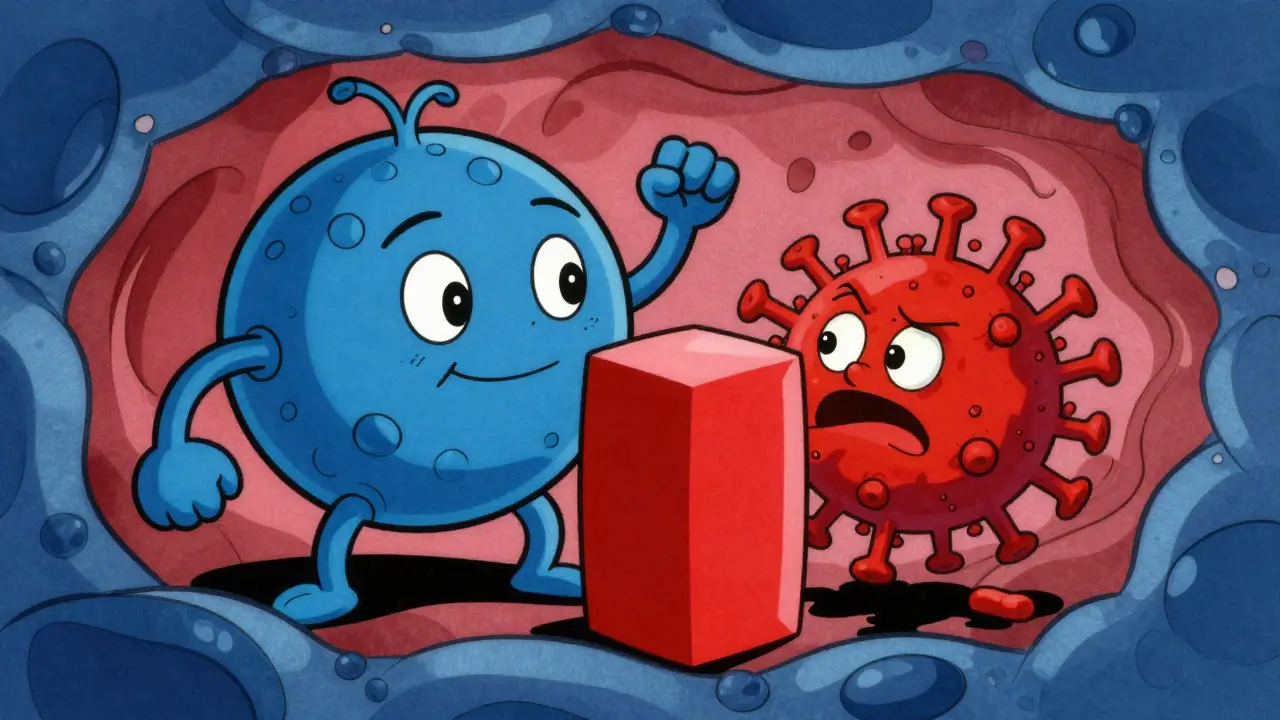
This is the most common worry: "If it's this much cheaper, is it actually working?" The short answer is yes. The FDA is the federal agency responsible for protecting public health by ensuring the safety, efficacy, and security of human drugs requires generics to prove bioequivalence. This means the generic drug must deliver the same amount of active ingredient into your bloodstream in the same amount of time as the brand-name version.
In the real world, this means your blood pressure drops the same amount or your cholesterol improves just as much, regardless of the logo on the packaging. While some people report a "perceived" difference, medical experts generally attribute this to the placebo effect or a sensitivity to the different inactive fillers. For the vast majority of patients, the therapeutic outcome is identical.
The Real-World Math: How Much Can You Save?
The price difference isn't just a few dollars; it's often a landslide. On average, generic medications cost about 85% less than their brand-name counterparts. To put that in perspective, the FDA has documented cases where a 30-day supply of a drug dropped from $1,400 to under $60 once a generic version hit the market. That is a staggering difference for a family budget.
| Factor | Brand-Name Drug | Generic Equivalent |
|---|---|---|
| Active Ingredient | Proprietary Formula | Identical Formula |
| FDA Standards | Full Clinical Trials | Bioequivalence Proof |
| Average Cost | 100% (Baseline) | 15% - 20% of Brand Price |
| Packaging/Look | Consistent Branding | Varies by Manufacturer |
For those without insurance, the savings are even more critical. Some patients have reported saving $200 to $300 a month on maintenance medications just by making the switch. When you're dealing with chronic conditions like diabetes or hypertension, those savings aren't just "extra money"-they are the difference between being able to afford your meds or skipping doses.
Smart Strategies to Lower Your Costs
Getting the cheapest price doesn't always happen automatically. While many pharmacists will substitute a generic by default, you can take a more active role in your savings strategy.
- Ask Your Doctor: When you're getting a prescription, ask your physician to write "dispense as generic" or "substitution permissible" on the script. This gives the pharmacy the green light to find the cheapest version.
- Check Your Formulary: Your insurance company has a "formulary," which is basically a list of drugs they cover and how much they cost. Generic drugs are usually in the lowest "tier," meaning you pay the smallest copay.
- Shop Around: Not all pharmacies price generics the same. For example, some warehouse clubs like Costco offer common generic medications for under $20 for a 30-day supply, even for people without insurance.
- Explore Direct-to-Consumer Options: Newer models like the Mark Cuban Cost Plus Drug Company have stripped away the middleman (Pharmacy Benefit Managers) to offer transparent, low-cost pricing. Data shows that some users find median savings of nearly $5 per prescription through these channels.

Are There Any Exceptions?
While generics are a win for most, there are a few cases where you should be cautious. Some drugs have what's called a narrow therapeutic index. This means that even a tiny change in the dose or how the body absorbs the drug can have a big impact. Examples include certain thyroid medications like levothyroxine or some anti-seizure drugs.
If you are taking a high-stakes medication like this, talk to your doctor before switching. In some cases, they may prefer you stay on one specific brand to ensure your levels remain perfectly stable. Additionally, very complex drugs like biologics (which are grown from living cells) aren't "generic" in the traditional sense; they have biosimilars, which are highly similar but not identical copies.
Moving Forward with Your Healthcare Budget
Switching to generics is one of the few areas in healthcare where you can get the exact same quality of care for a fraction of the cost. It allows millions of people to maintain their health without breaking the bank. Next time you're at the pharmacy, don't be afraid to ask, "Is there a generic version of this, and how much would I save?" You'll be surprised how often the answer is a significant amount of money back in your pocket.
Are generic drugs less safe than brand-name drugs?
No. Generic drugs must meet the same FDA standards for quality, strength, purity, and stability as brand-name drugs. The manufacturing facilities are subject to the same rigorous inspections, ensuring that the medication you receive is safe and effective.
Why is the generic pill a different color or shape?
FDA regulations allow generic manufacturers to use different inactive ingredients, such as dyes, flavorings, or binders. These do not affect how the medicine works in your body; they simply make the product distinct from the original brand's trademarked look.
Can I switch from a brand-name drug to a generic if I've been taking the brand for years?
In most cases, yes. However, it is always best to consult your doctor first, especially if you are taking medications for sensitive conditions (like epilepsy or thyroid issues) where consistent dosing is critical.
Do I need a new prescription to switch to a generic?
Usually, no. In many states, pharmacists are legally allowed to substitute a generic for a brand-name drug unless the doctor specifically wrote "Do Not Substitute" on the prescription.
How much cheaper are generics usually?
On average, generics cost about 80% to 85% less than the brand-name version. Some extreme cases have seen prices drop from over $1,000 per month to less than $100.