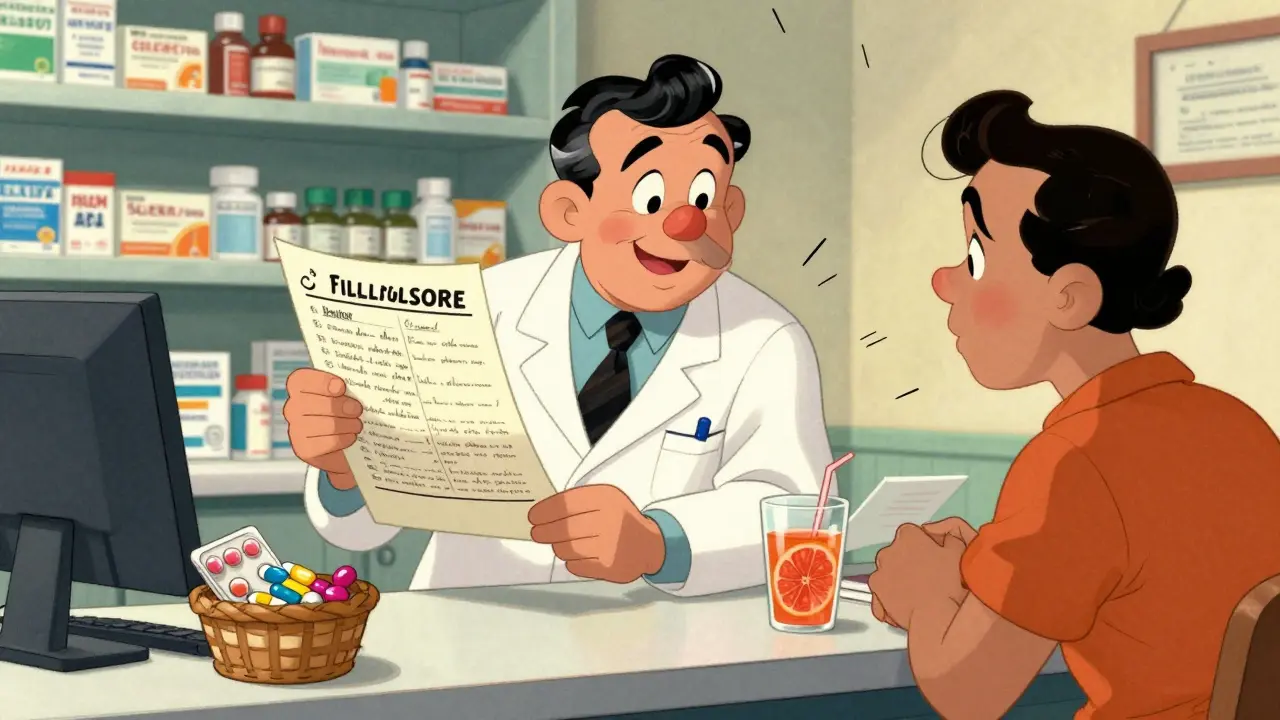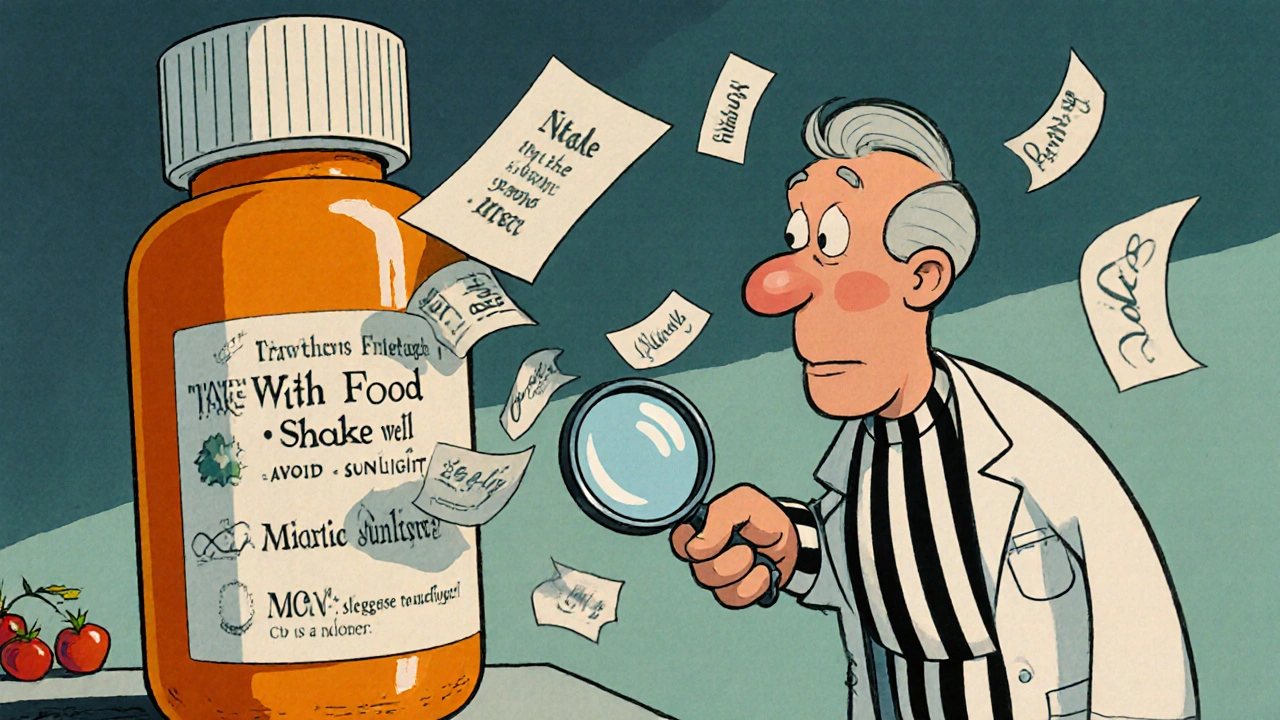
Every pill, syrup, or patch you take comes with a label. But how many of you actually read it? Not just glance at it. Reading medication labels isn’t just a formality-it’s the difference between getting better and ending up in the emergency room.
In Australia, over 200,000 hospital admissions each year are linked to medication errors. Many of these happen because someone took too much, too little, or the wrong medicine altogether. And it’s not because they were careless. It’s because the label was confusing. You’re not alone if you’ve stared at a tiny print label wondering, "Is this once a day or three times?" or "Why does it say 5 mL but my spoon looks bigger?"
What’s Actually on the Label?
Medication labels-whether prescription or over-the-counter-follow strict rules. In the U.S., the FDA requires OTC drugs to use the "Drug Facts" format. In Australia, the Therapeutic Goods Administration (TGA) has similar standards. Both require clear, consistent sections so you don’t have to guess.
Here’s what you’ll find on every label:
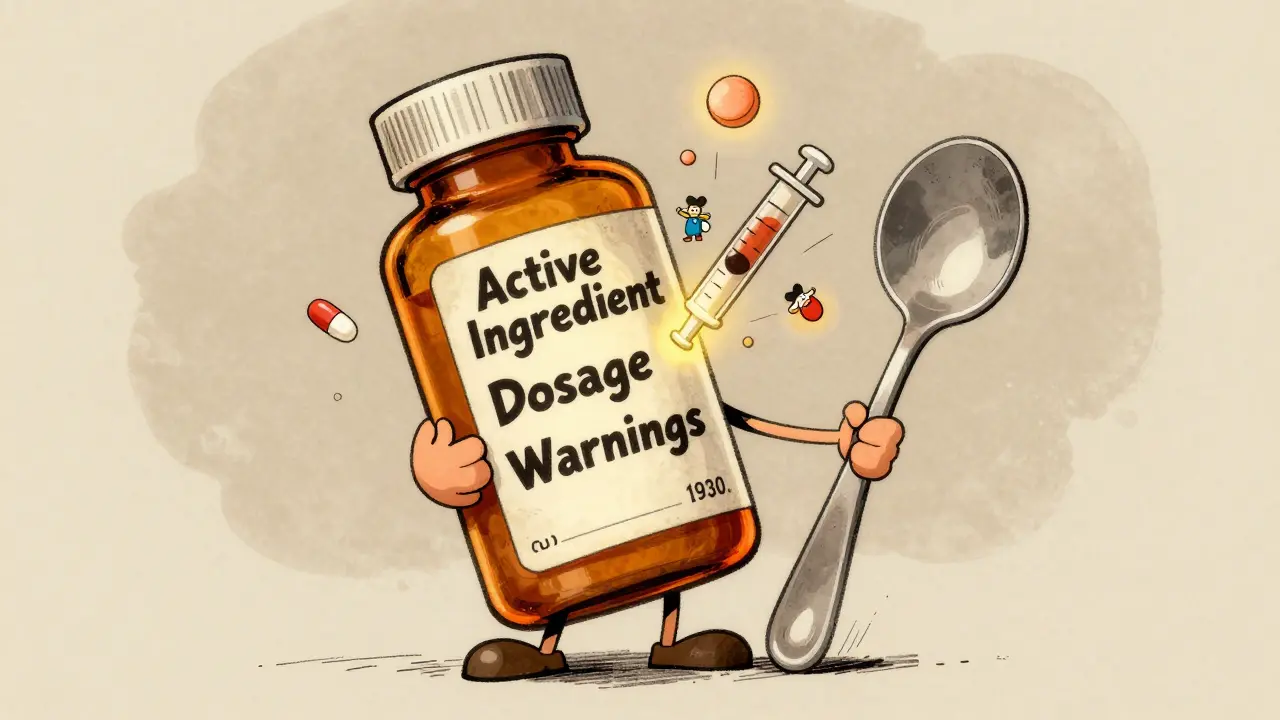
- Active Ingredient(s): This is the medicine that actually works. It’s listed first and in bold. For example, "Paracetamol 500 mg". If you’re taking more than one medicine, check this list. Many cold and flu pills contain paracetamol. Taking two different ones could mean you accidentally overdose.
- Uses: What the medicine is meant to treat. Don’t use it for something not listed unless your doctor says so.
- Dosage and Directions: This is the most important part. It tells you exactly how much to take and how often. "Take one tablet every 6 hours" means four times a day. "Take with food" isn’t a suggestion-it’s a safety rule. Some medicines irritate your stomach if taken empty.
- Warnings: These are red flags. "Do not use if you have liver disease." "May cause drowsiness." "Avoid alcohol." Ignoring these can be dangerous.
- Inactive Ingredients: These don’t treat your symptoms, but they can cause allergies. If you’re allergic to lactose, dyes, or certain preservatives, check this section.
- Expiration Date: Expired medicine doesn’t just lose strength-it can break down into harmful substances. Don’t take anything past this date.
- Storage Instructions: "Keep refrigerated" or "Store below 25°C" matters. Heat and moisture ruin many medicines.
Understanding Dosage: It’s Not Just "One Tablet"
"Take one tablet" sounds simple. But what if the tablet is 500 mg and your doctor said 250 mg? Or what if you’re giving it to a child?
For children, dosage is often based on weight. A 10 kg child needs a completely different amount than a 25 kg child. Always check the label for weight-based dosing. If it only lists age ranges, ask your pharmacist. Never guess.
For liquids, concentration matters. A label might say: "300 mg per 5 mL." That means each milliliter has 60 mg. If your child needs 180 mg, you need 3 mL-not a teaspoon, not a spoon from your kitchen. Use the measuring cup or syringe that came with the medicine. Household spoons vary in size. One teaspoon might hold 4 mL, another might hold 7 mL. That’s a 75% difference.
Here’s a real example: A parent gave their 2-year-old 10 mL of amoxicillin suspension labeled "250 mg per 5 mL," thinking it was a single dose. That’s 500 mg-double the recommended dose for a toddler. The child ended up with vomiting and diarrhea. The label said "give 5 mL every 8 hours." But the parent didn’t read the concentration.
Why Warnings Are Non-Negotiable
People skip warnings. They think, "I’ve taken this before," or "It’s just a cold pill." But warnings are there for a reason.
Take ibuprofen. The warning says: "Do not use if you have kidney disease." But many people don’t know they have early kidney problems. Or it says: "May increase risk of heart attack or stroke." That’s not a small risk-it’s real, especially if you’re over 60 or have high blood pressure.
Another big one: "Avoid alcohol." Mixing alcohol with painkillers, antibiotics, or anxiety meds can cause liver damage, dizziness, or even breathing problems. A 2022 study found that 47% of people never read this section.
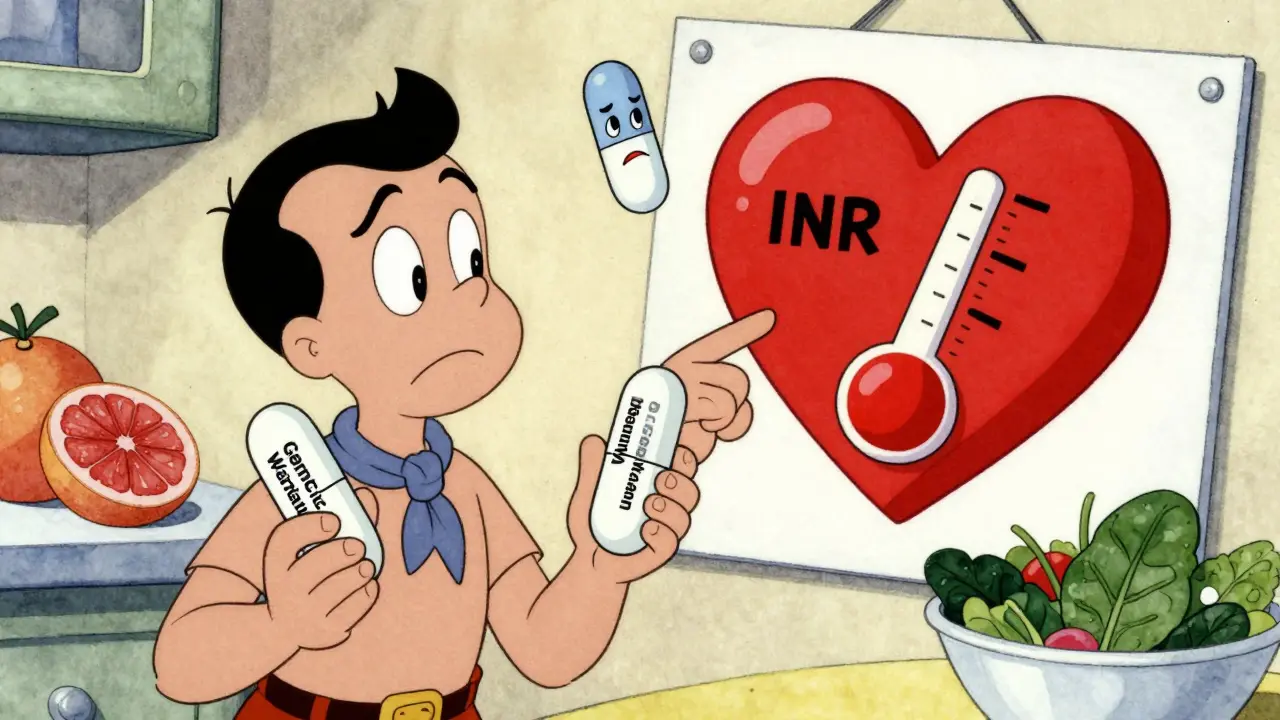
And don’t ignore drug interactions. If you’re on blood pressure medicine and take a cold remedy with pseudoephedrine, your blood pressure could spike dangerously. Always tell your pharmacist everything you’re taking-even vitamins and herbal supplements.

The Five Rights of Safe Medication Use
Nurses and pharmacists use a simple checklist called the "Five Rights" to avoid errors. You should too:
- Right Patient: Is the name on the bottle yours? Double-check. Pharmacies sometimes mix up names, especially with common ones like John or Mary.
- Right Drug: Does the name match what your doctor prescribed? "Amoxicillin" isn’t "Azithromycin." They treat different infections.
- Right Dose: Does the strength match? A 500 mg tablet isn’t the same as a 250 mg one.
- Right Route: Is it meant to be swallowed, applied to the skin, or inhaled? Putting eye drops in your ear can cause damage.
- Right Time: "Take every 8 hours" means every 8 hours-day and night. Don’t wait until you feel pain. Some medicines need steady levels in your blood.
If you’re unsure about any of these, call your pharmacist. They’re trained to help you understand your meds. No question is too small.
Common Mistakes People Make
Here are the top errors we see:
- Using kitchen spoons: A tablespoon isn’t 15 mL everywhere. In Australia, it’s 20 mL. In the U.S., it’s 15 mL. Don’t risk it.
- Doubling up on active ingredients: Taking Tylenol for pain and a cold medicine that also has acetaminophen? That’s a recipe for liver failure.
- Stopping early: "I feel better, so I’ll stop taking the antibiotics." That’s how resistant bacteria are born.
- Ignoring expiration dates: Liquid antibiotics, insulin, and epinephrine auto-injectors lose potency fast after expiration.
- Not checking for changes: If your doctor changes your dose, the label changes. Always compare the new bottle to the old one.
What’s Changing in Medication Labels?
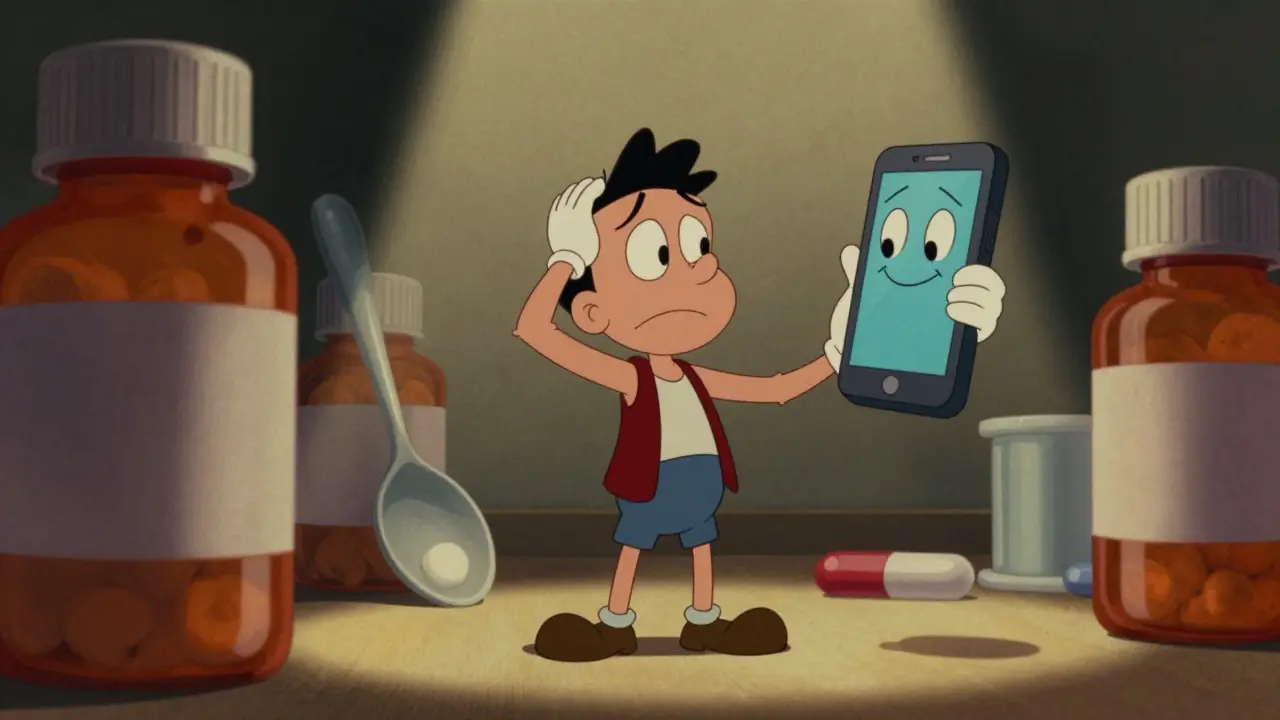
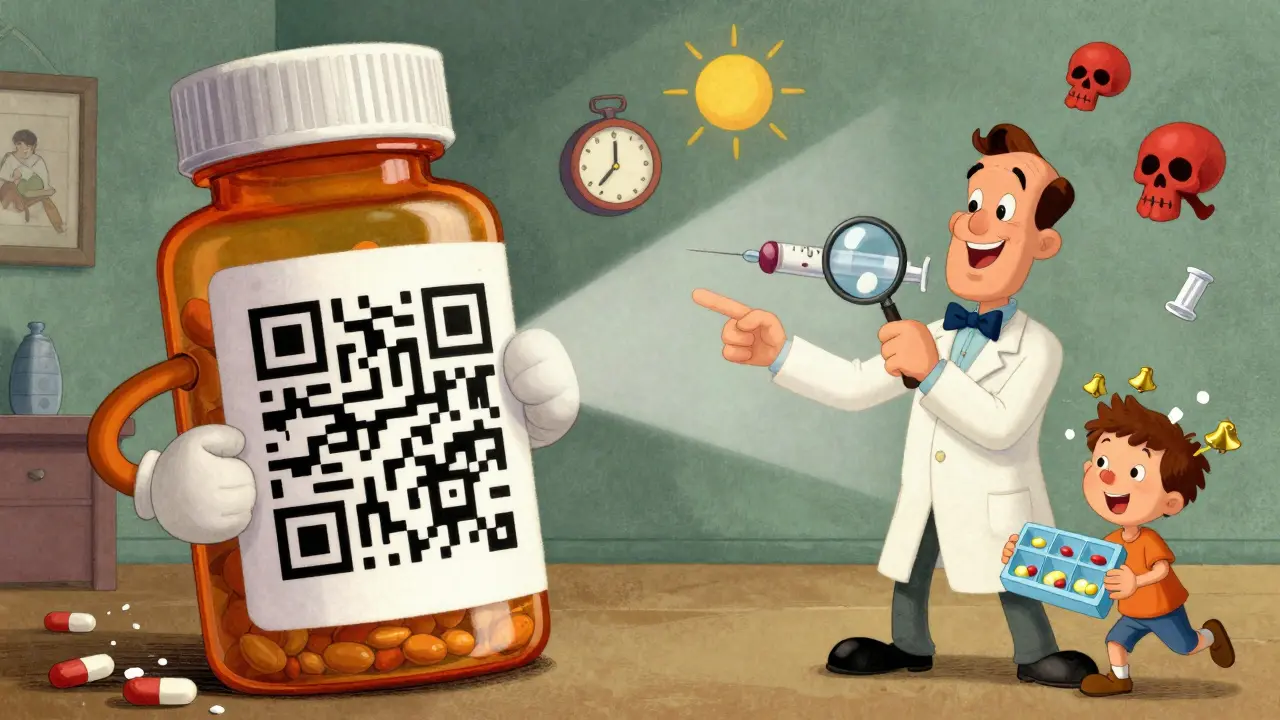
Labels are getting better. In 2024, the FDA and TGA are rolling out QR codes on many prescription labels. Scan it with your phone, and you’ll get a video showing how to take the medicine, what side effects to watch for, and even a dosage calculator.
Some new labels use icons: a red skull for high-risk drugs, a clock for timing, a sun for "take in the morning." These help people who struggle with reading.
Plain language is now required for high-risk drugs like insulin, warfarin, and opioids. No more "titrate based on clinical response." Now it says: "Start with 1 unit. Increase by 1 unit every 3 days only if your blood sugar is still high. Do not increase more than 2 units per week."
What to Do If You’re Confused
If the label doesn’t make sense:
- Call your pharmacist. They’re free to call and often have more time than your doctor.
- Ask for a medication guide. Some drugs come with a separate printed sheet that explains risks in simple terms.
- Use a pill organizer with alarms. It helps you remember when to take what.
- Take the bottle to your next doctor’s visit and ask: "Can you explain this to me?"
Never assume. Never guess. If you’re unsure, it’s better to wait than to risk harm.
Final Tip: Make It a Habit
Every time you pick up a new prescription or buy OTC medicine, pause. Read the label. Don’t rush. Write down the key points: "Take 1 tablet twice a day, with food, not with alcohol, expires 12/2026."
Medication safety isn’t about being perfect. It’s about being careful. One extra minute reading the label could save your life-or your child’s.